Written by Jinna CAMERON, veterinary medical student and dog health researcher. Reviewed for factual accuracy against trusted veterinary sources by DVM Carla DONTESK
If your French Bulldog is breathing hard, it is understandable to feel worried. Because Frenchies are a brachycephalic breed, their short-faced anatomy can make breathing noisier and more effortful than it is in many other dogs. Even so, French Bulldog breathing hard should never be brushed off automatically as “just normal for the breed.”
Sometimes, a French Bulldog breathing hard may simply be reacting to excitement, exercise, stress, or warm weather. In other cases, hard breathing can be a sign of brachycephalic obstructive airway syndrome (BOAS), overheating, airway irritation, pain, or a more serious medical problem. The challenge for owners is knowing when heavier breathing is temporary and when it may be a warning sign that needs veterinary attention.
This guide explains the most common causes of French Bulldog breathing hard, how to tell normal panting from abnormal breathing, what to do safely at home, and when to call your veterinarian or seek emergency care.
Important: This article is for educational purposes only and does not replace veterinary diagnosis or treatment. If your French Bulldog has blue or gray gums, collapses, cannot settle, or seems to be struggling to breathe, seek urgent veterinary care immediately.
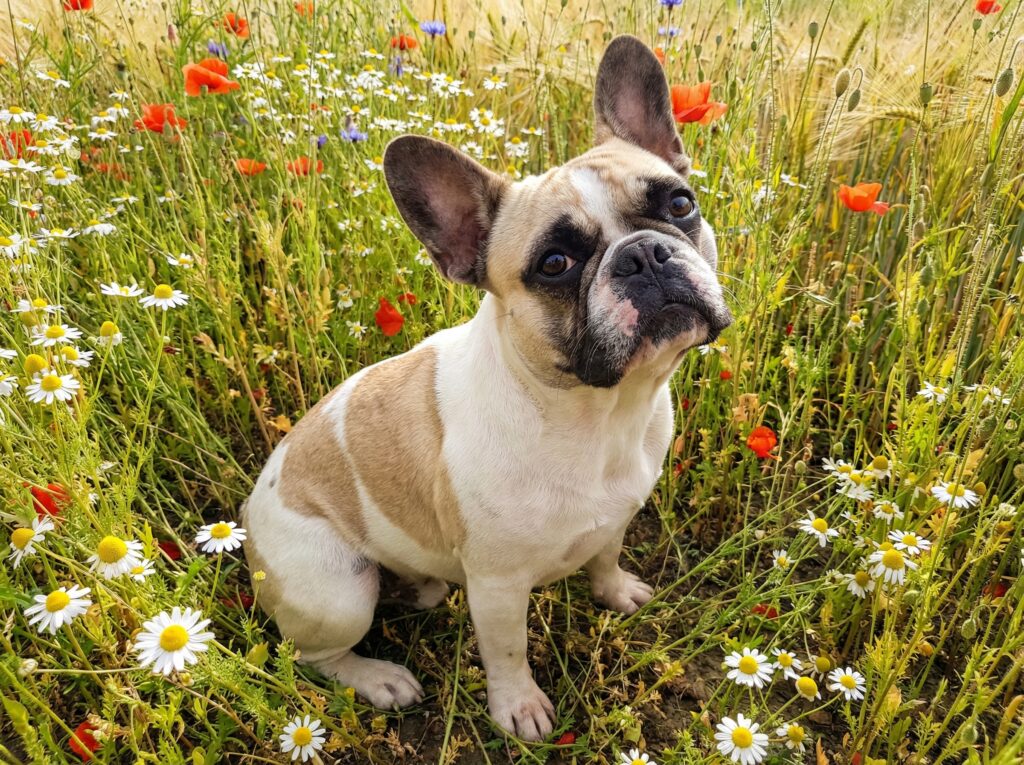
Is It Normal for a French Bulldog to Breathe Hard?
A French Bulldog breathing hard is more common than it would be in many longer-nosed dogs, but “common” does not always mean healthy.
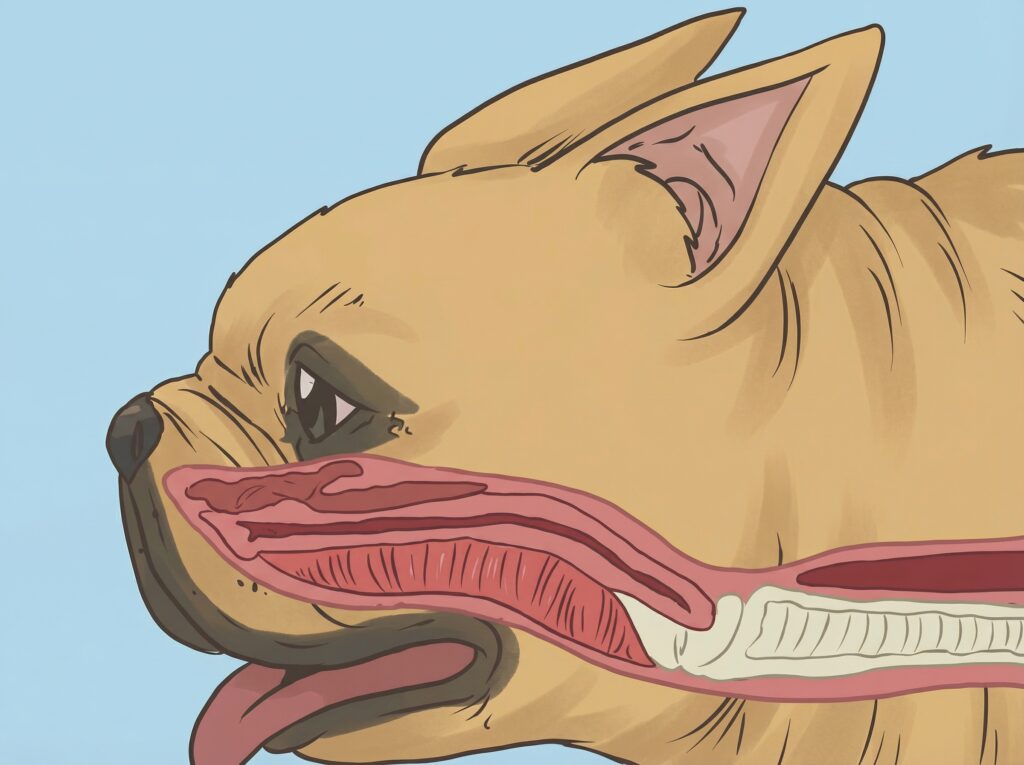
French Bulldogs are brachycephalic, which means their skull shape can affect the structure of the upper airway. Many Frenchies have narrowed nostrils, excess soft tissue in the throat, and other conformational features that increase airway resistance. This can make their breathing louder, more effortful, and less efficient than it is in breeds with longer muzzles.
Because of that, some owners assume a French Bulldog breathing hard is always expected. That is not the safest way to think about it. Mild heavier breathing after play, excitement, or mild heat exposure may happen in this breed, but persistent or strained breathing deserves more attention.
A Frenchie’s breathing is more likely to be relatively expected if:
- there is an obvious trigger like exercise, excitement, or warm weather
- your dog stays bright and responsive
- the breathing improves with rest
- your dog returns to normal fairly quickly
A French Bulldog breathing hard is more concerning if:
- it happens while resting
- it happens during sleep
- it becomes louder or more labored than usual
- your dog struggles after only mild activity
- recovery seems slow
- there are other symptoms like gagging, distress, weakness, or color changes in the gums
This is especially important because chronic noisy breathing, snoring, and poor exercise tolerance are often tied to airway disease rather than just breed personality. If you want the deeper anatomy background, see our guide to BOAS in French Bulldogs.
Why Is My French Bulldog Breathing Hard?
If you are wondering, why is my French Bulldog breathing hard?, there are several possible explanations. Some are relatively mild and temporary. Others deserve prompt veterinary attention.
Exercise or excitement
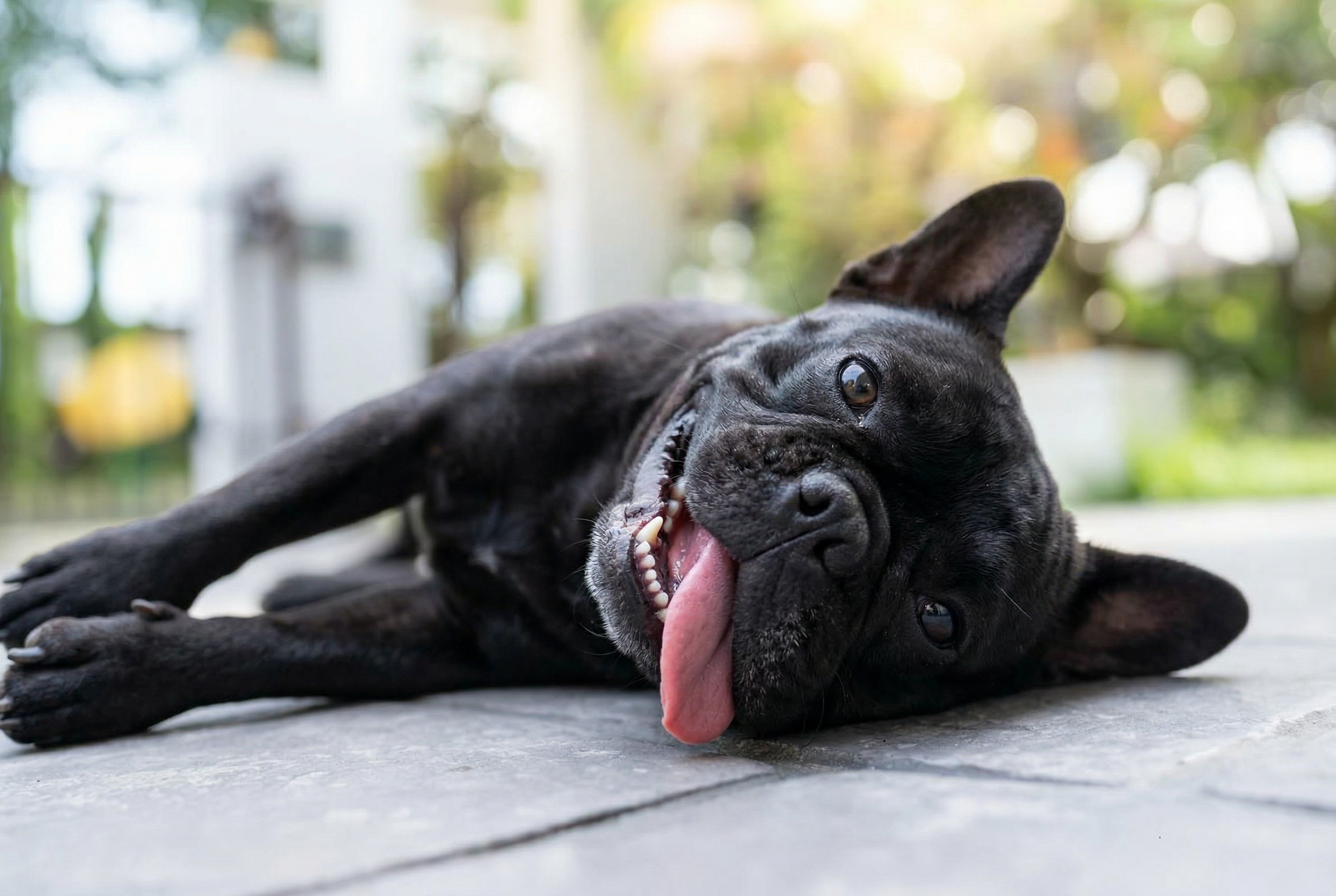
One common reason for French Bulldog breathing hard is simple overexcitement or exertion. After zoomies, rough play, climbing stairs, or even emotional excitement, many Frenchies will pant more than owners expect.
Because their airway structure is less efficient, they may also take longer to recover than other dogs. If the breathing settles with rest and your dog seems otherwise comfortable, this may be temporary. But if your Frenchie struggles after only mild exercise or seems distressed instead of simply winded, it is more concerning.
Heat or overheating
Heat is one of the most important causes of French Bulldog breathing hard. Dogs cool themselves mainly by panting, and brachycephalic breeds are especially poor at handling heat safely.
In hot or humid weather, a Frenchie may go from:
- heavier panting
- louder breathing
- restlessness
to more dangerous signs such as:
- drooling
- weakness
- vomiting
- disorientation
- collapse
A French Bulldog breathing hard in warm conditions should always be taken seriously because heat stress can escalate quickly in this breed. If overheating may be involved, read our full guide to Heat Stroke in French Bulldogs.
Brachycephalic obstructive airway syndrome (BOAS)
BOAS is one of the most important long-term reasons for French Bulldog breathing hard. In French Bulldogs, the short skull shape may come with narrowed nostrils, an elongated soft palate, everted airway tissue, and other changes that make breathing physically harder.
Dogs affected by BOAS often show:
- snoring
- snorting
- noisy breathing
- heat intolerance
- exercise intolerance
- gagging or retching
- poor recovery after activity
This matters because many owners normalize those signs. But a French Bulldog breathing hard on a regular basis may be living with chronic airway compromise rather than simply breathing “like a Frenchie.”
For a full explanation, see our BOAS Ultimate Guide for French Bulldogs.
Stress or anxiety
Stress can also lead to French Bulldog breathing hard, especially in dogs already prone to upper airway compromise. Car rides, vet visits, crowded environments, loud noises, or conflict with other dogs may trigger heavier breathing.
Stress-related breathing should improve once the stressful event passes. If it does not, or if the breathing seems severe, another medical issue may be contributing.
Pain
Pain is an underappreciated reason for a French Bulldog breathing hard. Dogs in pain may pant or breathe faster even when the issue is not directly in the lungs or airway.
Pain-related hard breathing may happen with:
- injury
- abdominal discomfort
- spinal pain
- inflammatory illness
- other painful conditions
That is one reason it is not always possible to tell the cause from breathing alone.
Respiratory or heart disease
Although BOAS is a common explanation in French Bulldogs, it is not the only one. A French Bulldog breathing hard may also have another medical problem such as:
- airway obstruction
- respiratory infection
- pneumonia
- lower airway disease
- heart disease
- anemia
- systemic illness
Symptoms can overlap, and some of these problems can become serious quickly. If the breathing seems unusual for your dog, it is better to involve a veterinarian than assume it is just a breed issue.
Warm environments can put extra strain on a brachycephalic dog’s airway, especially if your Frenchie already tends to pant heavily or recover slowly after activity. For a more practical look at weather safety, including what conditions may be too hot or too cold, read our guide to the best temperature for French Bulldogs.
Obesity
Extra weight increases the work of breathing and often makes brachycephalic airway problems worse. An overweight Frenchie may struggle more with:
- panting
- exercise
- warm weather
- sleep-related breathing issues
- recovery after activity
Maintaining a lean body condition can make a meaningful difference in many dogs prone to breathing difficulty.
French Bulldog Breathing Hard vs Normal Panting
A lot of owners are really asking this question:
Is my French Bulldog breathing hard, or is this just normal panting?
Normal panting usually happens:
- after exercise
- during excitement
- in warm weather
- with temporary stress
A dog that is panting normally is usually still alert, responsive, and able to settle once the trigger passes. The breathing may be fast, but it gradually improves with rest, cooling, and time.
Normal panting is more likely when:
- there is a clear reason for it
- your Frenchie remains bright and comfortable
- breathing improves in a cool, calm place
- there is no collapse, gagging, or abnormal gum color
- recovery happens within a reasonable time
Abnormal breathing is more likely when:
- your French Bulldog is breathing hard at rest
- your French Bulldog is breathing hard while sleeping
- the chest and belly are working forcefully
- your dog extends the neck to breathe
- the elbows are held away from the body
- the noise sounds harsher or more strained than usual
- your dog cannot settle
- the breathing gets worse rather than better
- the gums look pale, blue, or gray
A French Bulldog breathing hard may still technically be panting, but if the effort looks disproportionate or the dog cannot recover normally, it should not be treated as routine.
French Bulldog Breathing Hard While Resting or Sleeping
A French Bulldog breathing hard while resting or a French Bulldog breathing hard when sleeping is more concerning than a dog panting after play or heat exposure.
At rest, breathing should be relatively easy and unforced. In French Bulldogs, heavier breathing during rest or sleep may suggest:
- BOAS
- upper airway obstruction
- poor recovery from heat
- sleep-disordered breathing
- less commonly, heart or lower respiratory disease
This section matters because your keyword research clearly showed that owners worry a lot about sleep-related breathing changes.
Many French Bulldogs snore, and mild snoring alone is not unusual. But there is a major difference between ordinary snoring and a French Bulldog breathing hard in a way that looks effortful or distressing during sleep.
More concerning sleep or resting signs include:
- intense snoring with obvious effort
- repeated waking
- gasping or choking sounds
- sleeping with the neck stretched out
- struggling to get comfortable
- seeming exhausted even after resting
- noisy breathing that is getting worse over time
Dogs with significant airway compromise may breathe more poorly when relaxed because the airway becomes less stable during sleep. That is one reason rest-related symptoms can be a useful clue that a French Bulldog needs a proper airway evaluation.
If your dog also snores heavily, our guide to French Bulldog Snoring may help connect the bigger picture.
When Should I Worry About My French Bulldog’s Breathing?
If you are asking, when should I worry about my French Bulldog’s breathing?, focus on three things:
- when it happens
- how much effort it takes
- whether your dog recovers normally
A French Bulldog breathing hard deserves more concern if:
- there is no clear trigger
- it happens at rest
- it happens during sleep
- it keeps recurring
- the breathing sounds louder or harsher than usual
- recovery after activity is getting slower
- your dog is less tolerant of heat or exercise than before
- there is gagging, retching, weakness, or distress
These patterns suggest the problem may be more than temporary exertion or excitement.
A same-day veterinary visit is a good idea if:
- your French Bulldog keeps breathing hard for no obvious reason
- the breathing episodes are becoming more frequent
- snoring or noisy breathing is worsening
- your dog pants excessively in mild weather
- your dog breathes hard after minimal activity
- hard breathing is happening during sleep or rest
- your dog seems less active than usual
Seek emergency care right away if:
- the gums or tongue are blue, gray, or very pale
- your dog collapses or almost collapses
- breathing effort is severe
- your dog cannot lie down comfortably
- your dog seems panicked or unable to settle
- overheating or heat stroke is possible
- breathing gets rapidly worse
A French Bulldog breathing hard with any of those red flags should not be watched at home for long.
Signs Your French Bulldog May Be Having a Breathing Emergency
Some episodes of French Bulldog breathing hard can wait for an urgent appointment, but some should be treated as emergencies immediately.
Emergency warning signs include:
- blue or gray gums
- collapse or fainting
- extreme weakness
- forceful belly breathing
- severe open-mouth breathing with distress
- frantic behavior or panic
- inability to get comfortable enough to rest
- sudden worsening of noisy breathing
- suspected heat stroke
- repeated gagging or choking with breathing distress
French Bulldogs are not always good at compensating for airway stress, and once they start to spiral, they can worsen quickly. This is especially true in hot weather or in dogs already affected by BOAS.
If your French Bulldog is breathing hard and also shows severe distress, call the nearest emergency clinic and head in right away.
What to Do If Your French Bulldog Is Breathing Hard
If you notice French Bulldog breathing hard, the safest immediate response is calm, supportive, and simple.
1. Stop exercise immediately
Do not continue the walk, game, or activity. Even a few more minutes of exertion can worsen breathing difficulty.
2. Move your dog to a cool, quiet area
Bring your Frenchie inside or into shade. Reduce heat, noise, and stimulation as much as possible.
3. Offer water if your dog is alert
If your dog is awake and able to swallow normally, offer small amounts of water. Do not force drinking.
4. Keep handling minimal
Try to keep your dog calm. Repeatedly moving them, restraining them, or crowding them can make breathing distress worse.
5. Avoid pressure on the neck
A collar can add unnecessary neck pressure in a brachycephalic dog. A harness is usually a safer choice.
If needed, see our guide to Best Harnesses for French Bulldogs.
6. Watch closely for red flags
Pay attention to:
- gum color
- level of alertness
- how fast the breathing improves
- whether the effort is getting worse
- whether your dog can rest comfortably
7. Contact a veterinarian if breathing does not improve quickly
If your French Bulldog is breathing hard and does not improve after a short period of rest and cooling, or if the symptoms are severe from the start, seek veterinary advice immediately.
What not to do
Do not:
- give human medications
- give sedatives unless your veterinarian prescribed them specifically for this situation
- place ice directly on your dog
- force food or water
- assume the problem is harmless because Frenchies are noisy breathers
Home support is only for the first few minutes while you assess whether your dog is recovering. It is not a substitute for veterinary treatment when breathing distress is significant.
When Hard Breathing in French Bulldogs Is More Likely to Be BOAS
A French Bulldog breathing hard is more likely to have BOAS involved if the problem is chronic, repetitive, or triggered by very mild exertion.
Signs that increase concern for BOAS include:
- chronic snoring
- daily noisy breathing
- snorting or stertor
- poor exercise tolerance
- heat intolerance
- gagging or retching
- slow recovery after walks
- breathing hard while sleeping
- collapse or near-collapse in stressful conditions
This does not mean every French Bulldog breathing hard has BOAS. But it does mean BOAS should be on the radar, especially when the pattern has been building over time.
Dogs with BOAS often benefit from:
- weight management
- careful heat avoidance
- activity adjustment
- harness use instead of collar pressure
- veterinary airway evaluation
- in some cases, surgical correction
If your Frenchie also snores or has other upper-airway symptoms, it may help to read:
When to See a Veterinarian
Owners often delay because they know Frenchies are noisy dogs. But chronic or worsening French Bulldog breathing hard is one of those issues where early assessment can matter a lot.
For dogs whose hard breathing comes back again and again because of the underlying anatomy, surgery is sometimes the option that finally eases the strain. We’ve covered what BOAS surgery can and can’t fix in detail, including the honest limits and the recovery timeline, so you’ll know what to expect if your vet ever suggests it.
Schedule a prompt veterinary visit if:
- your dog is breathing hard more often than usual
- breathing noises are getting louder
- your dog struggles more with walks or play
- warm weather affects your dog more than before
- your dog breathes hard at rest
- your dog breathes hard while sleeping
- your dog gags or retches frequently
- you suspect airway disease or BOAS
Seek emergency care now if:
- your dog has blue, gray, or pale gums
- your dog collapses
- your dog shows severe breathing effort
- your dog cannot settle or lie down
- heat stroke may be involved
- symptoms are sudden, severe, or rapidly worsening
If you are unsure, call a veterinary clinic and describe exactly what you are seeing. A French Bulldog breathing hard can sometimes sound “typical” to an owner even when it is becoming medically important.
How to Help Prevent Breathing Problems in French Bulldogs
Not every case of French Bulldog breathing hard can be prevented, but many episodes can be reduced with practical management.
Keep your Frenchie cool
Avoid exercise in hot or humid weather. Use shade, air conditioning, and calm indoor spaces during warm conditions. Never leave a French Bulldog in a parked car.
For more, see Heat Stroke in French Bulldogs.
Maintain a healthy weight
Extra weight can make breathing more difficult and can worsen brachycephalic airway problems.
Use a harness instead of a collar
Reducing neck pressure is a sensible management step for many brachycephalic dogs.
See Best Harnesses for French Bulldogs for breed-appropriate options.
Exercise conservatively
French Bulldogs usually do better with shorter activity periods, frequent breaks, and careful monitoring than with long or intense sessions.
Travel carefully
Travel can combine stress, heat, and awkward positioning, all of which may worsen breathing. A well-ventilated setup matters.
If relevant, see Best Carrier for French Bulldog.
Take chronic signs seriously
Loud snoring, chronic snorting, heat sensitivity, and repeated hard breathing should not automatically be accepted as normal. Early veterinary assessment may improve both safety and quality of life.
FAQ
Final Thoughts
A French Bulldog breathing hard is not something owners should ignore just because Frenchies often breathe more noisily than other dogs. Some episodes are linked to play, excitement, or warm weather and improve with rest. But a French Bulldog breathing hard can also be showing signs of BOAS, overheating, airway obstruction, pain, or another medical issue.
The most important takeaway is this: do not normalize obvious breathing effort just because your dog is brachycephalic. If the breathing is happening at rest, during sleep, in heat, or alongside distress, weakness, or abnormal gum color, your dog needs prompt veterinary attention.
When in doubt, it is safer to ask early than to wait for a breathing problem to become an emergency.
French Bulldogs often breathe with more effort than many other dogs because their short-faced anatomy can narrow the upper airway and make airflow less efficient. Cornell’s Riney Canine Health Center has a helpful overview of brachycephalic obstructive airway syndrome (BOAS), including why dogs like Frenchies may snore, struggle with exercise, or have more trouble breathing in heat: https://www.vet.cornell.edu/departments-centers-and-institutes/riney-canine-health-center/canine-health-topics/brachycephalic-obstructive-airway-syndrome

Do French Bulldogs Shed? Coat, Grooming, and When to Worry
French Bulldog IVDD: Early Signs, Emergency Red Flags, and Treatment Options
French Bulldog Cherry Eye: Symptoms, Causes, Treatment, Surgery, and Recovery
Ear Infection in French Bulldog: Signs, Causes, and When to Worry
Joint Supplements for French Bulldogs: What Actually Works