Written by Jinna CAMERON, veterinary medical student and dog health researcher. Reviewed for factual accuracy against trusted veterinary sources by DVM Carla DONTESK
If you are wondering about the best temperature for French Bulldogs, you are asking exactly the right question. French Bulldogs are much less tolerant of temperature extremes than many other breeds, especially when heat, humidity, exercise, or breathing problems are involved. Because they are brachycephalic dogs, their short-faced anatomy makes it harder for them to cool themselves efficiently, which means weather that feels only mildly warm to you may still put real strain on your Frenchie.
That is why understanding the best temperature for French Bulldogs matters so much in daily life. Owners often want one simple number, but the truth is a little more nuanced. The best temperature for French Bulldogs depends not only on the thermometer, but also on humidity, airflow, direct sunlight, activity level, body condition, age, and whether the dog already has airway problems such as BOAS.
In this guide, I’ll explain the best temperature for French Bulldogs, what temperature may be too hot or too cold, how humidity changes risk, and what practical steps owners can take to keep their dogs safer year-round.
Important: This article is for educational purposes only and does not replace veterinary diagnosis. If your French Bulldog is showing signs of overheating, severe breathing effort, collapse, or unusual weakness, seek veterinary care promptly.
Why French Bulldogs Are Especially Temperature-Sensitive
To understand the best temperature for French Bulldogs, it helps to first understand why this breed is more vulnerable than many others.
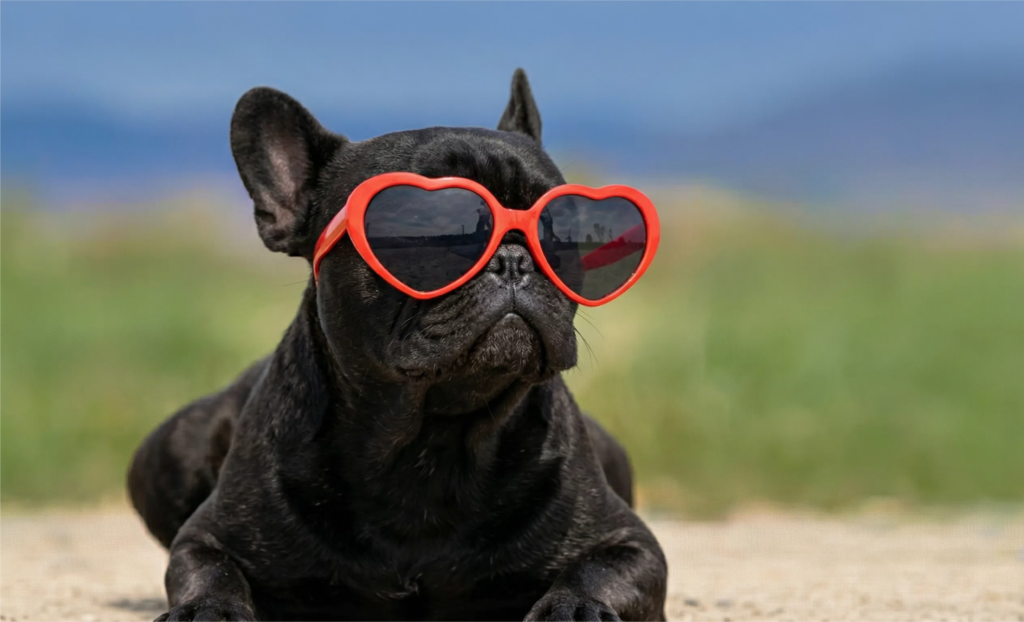
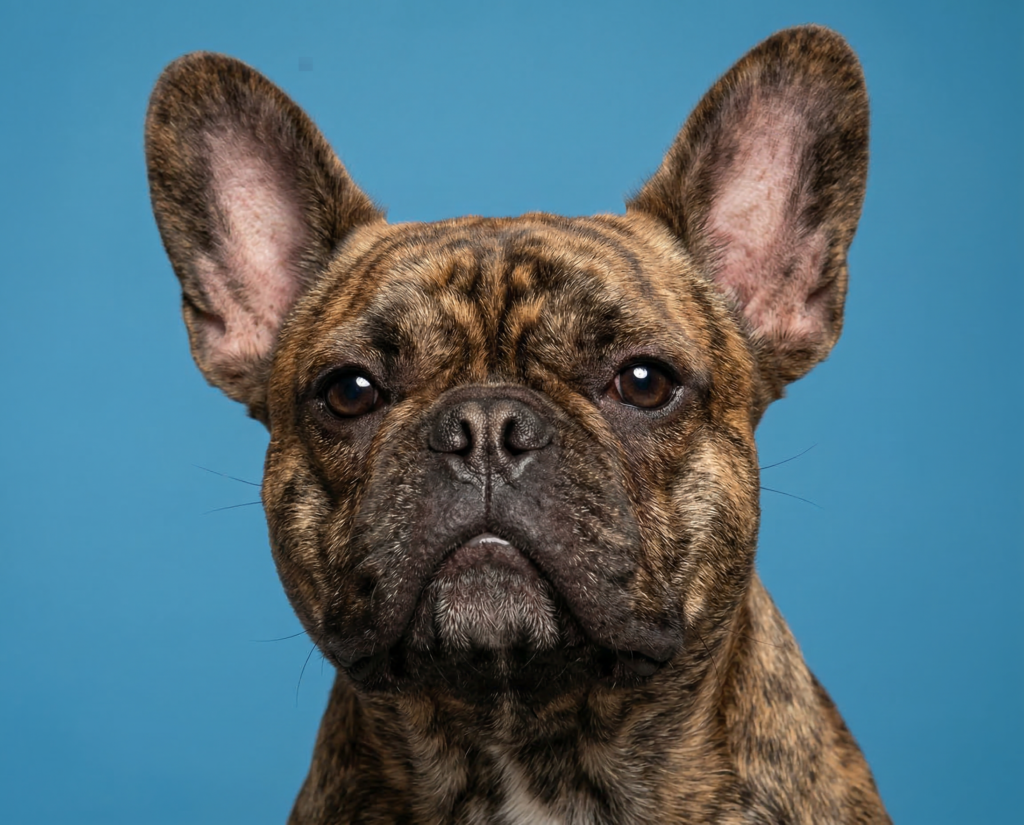
French Bulldogs are brachycephalic, meaning they have a shortened skull and compressed upper airway anatomy. Many Frenchies also have features associated with brachycephalic obstructive airway syndrome (BOAS), such as:
- narrowed nostrils
- an elongated soft palate
- increased upper airway resistance
- sometimes a relatively narrow trachea
Dogs cool themselves mainly through panting. When a dog pants, evaporation from the respiratory tract helps release heat. But in French Bulldogs, airflow is often less efficient, so their cooling system does not work as well as it does in longer-nosed breeds.
This means the best temperature for French Bulldogs tends to be a narrower, more comfortable range than what many other dogs can tolerate safely.
French Bulldogs may also struggle more in temperature extremes if they are:
- overweight
- very young or elderly
- overly excited
- exercising
- stressed
- affected by BOAS or chronic breathing issues
That is one reason a Frenchie may seem uncomfortable in weather that feels fairly normal to a person. If your dog is panting loudly, breathing with effort, or slowing down quickly, it matters more than whatever the weather app says.
If your Frenchie already has noisy breathing or exercise intolerance, it is worth reading our guide to French Bulldog breathing hard as well.
Best General Temperature for French Bulldogs
So, what is the best temperature for French Bulldogs in day-to-day life?
There is no single perfect number for every dog, but many veterinary and emergency-care references support a general comfort range around 20–22°C (68–72°F) for indoor living, especially for small, short-coated, brachycephalic dogs. A somewhat broader range around 15–21°C (59–70°F) may still be comfortable for many healthy dogs, but once conditions get warmer — especially if humidity or activity is involved — the risk starts to rise.
That means the best temperature for French Bulldogs is usually not “as warm as possible.” Many owners assume Frenchies love warmth because they dislike cold drafts, but comfort and safety are not the same thing. A room that feels cozy to you can still be too warm for a dog that already has limited cooling ability.
A practical way to think about it:
- Ideal comfort range: around 20–22°C (68–72°F)
- Usually manageable for many healthy dogs: around 15–21°C (59–70°F)
- Needs more caution as conditions rise: above the low 20s °C / low 70s °F, especially with humidity or exercise
The best temperature for French Bulldogs also depends on the individual dog. A fit young Frenchie with mild anatomy issues may tolerate conditions better than:
- an overweight adult
- a senior dog
- a puppy
- a dog with BOAS
- a dog recovering from illness
Rather than chasing one magical number, it is better to think in terms of a safe range and then watch your dog’s breathing, activity, and comfort closely.
What Temperature Is Too Hot for French Bulldogs?
This is one of the most important parts of understanding the best temperature for French Bulldogs.
In practical terms, French Bulldogs can start to face meaningful heat risk at temperatures that many owners would not consider extreme. Conditions around 22–24°C (72–75°F) may already be a higher-risk zone if:
- the dog is walking or playing
- humidity is high
- there is direct sun
- airflow is poor
- the dog has airway compromise
- the surface underfoot is hot
So while there is no exact universal cut-off, it is fair to say that once the weather gets into the low-to-mid 70s Fahrenheit, owners should start being much more cautious with a Frenchie.
Heat risk rises quickly when:
- the dog is active instead of resting
- the dog is in full sun
- the air is humid or still
- the dog is in a car or enclosed area
- the dog is overweight
- the dog already breathes noisily or struggles with exertion
This is why the best temperature for French Bulldogs should always be thought of in context. A cool indoor room at 72°F is very different from a humid afternoon walk at 72°F with direct sun and asphalt underfoot.
Early signs that it may be too hot for your Frenchie:
- heavier panting
- louder breathing
- slowing down on walks
- reluctance to keep moving
- drooling
- restlessness
- difficulty settling after activity
More serious warning signs include:
- labored breathing
- weakness
- vomiting
- diarrhea
- confusion
- collapse
- very red, pale, or bluish gums
If heat may be involved, also read Heat Stroke in French Bulldogs.
If you are trying to judge when warm weather becomes a real problem, our new guide, French Bulldog Heat Exhaustion: Early Signs, Causes, and What to Do, explains the early warning signs that may appear even before heatstroke develops. It is a useful next read if you want to understand how temperature, humidity, and activity level can turn a borderline day into a risk for your Frenchie.
Why Humidity Matters as Much as Temperature
A lot of owners focus only on the temperature number, but humidity can completely change what the best temperature for French Bulldogs actually looks like in real life.
Dogs rely on panting to cool themselves, and humidity makes panting less effective because evaporation does not happen as efficiently. On muggy days, a French Bulldog may struggle even when the temperature seems only moderate.
That means a day that looks acceptable on paper can still be risky if it is:
- humid
- still
- sunny
- poorly ventilated
For brachycephalic breeds, this matters a lot. French Bulldogs already have a reduced cooling margin because of their airway anatomy. Humidity narrows that margin even more.
Practical takeaway:
A humid 23°C / 73°F day may be more dangerous for your Frenchie than a dry 25°C / 77°F day with shade and airflow.
This is why the best temperature for French Bulldogs cannot be judged by temperature alone. Owners should also think about:
- humidity
- whether the dog is indoors or outside
- shade
- breeze or airflow
- exercise level
- sun exposure
- surface heat
What Temperature Is Too Cold for French Bulldogs?
Heat is usually the bigger danger in this breed, but cold matters too. If you want a complete picture of the best temperature for French Bulldogs, you also need to think about lower temperatures.
French Bulldogs have:
- short coats
- relatively little natural insulation
- limited body-fat protection compared with some breeds
Because of that, many Frenchies become uncomfortable or cold-sensitive when temperatures drop below about 7–10°C (45–50°F), especially if conditions are:
- wet
- windy
- prolonged
- dark and inactive
- hard on older or smaller dogs
A healthy adult Frenchie may still handle short outdoor trips in cool weather, but comfort drops quickly when the dog is standing still, getting damp, or exposed to wind.
Cold becomes more concerning if your Frenchie is:
- a puppy
- a senior
- underweight
- ill
- recovering from surgery
- wet from rain or bathing
Signs your French Bulldog may be too cold:
- shivering
- tail tucked
- reluctance to walk
- wanting to go back inside quickly
- curling up tightly
- seeming stiff or uncomfortable
- reduced enthusiasm outdoors
So while the best temperature for French Bulldogs is often discussed in relation to heat, cold exposure matters too — especially during long walks, wet winter weather, or poorly heated indoor spaces.
Can French Bulldogs Tolerate Hot Weather?
Owners often ask whether French Bulldogs can live in warm climates or handle summer weather at all. The answer is: sometimes, with careful management — but they are not naturally heat-tolerant dogs.
French Bulldogs can live in warmer areas, but owners usually need to be much more proactive about:
- air conditioning
- limiting midday outdoor time
- avoiding strenuous walks
- using shade
- watching breathing closely
- adjusting routines around the weather
A Frenchie does not need extreme heat to get into trouble. Even warm but not “scorching” conditions can be risky, especially if the dog is active.
That is why the best temperature for French Bulldogs is often easier to maintain indoors than outdoors during summer. In hot months, many Frenchie owners do best by treating outdoor time as:
- brief
- early morning
- late evening
- slow-paced
- closely supervised
If the weather feels heavy, sticky, or hard to breathe in, your Frenchie will likely feel that strain even more.
Can French Bulldogs Tolerate Cold Weather?
French Bulldogs generally tolerate cool weather better than hot weather, but that does not mean they are cold-weather dogs.
They can often handle short, supervised outings in mild cold, especially if they are:
- healthy
- dry
- moving around
- not facing wind or rain
But once conditions become colder, wetter, or more prolonged, many Frenchies will need added protection. That may include:
- shorter outings
- a well-fitted coat or sweater
- warm indoor recovery
- dry bedding
- extra caution with puppies and seniors
The best temperature for French Bulldogs in winter is still usually an indoor comfort range rather than prolonged cold exposure. A dog that shivers, hesitates, or rushes back to the door is already telling you something useful.
Practical Hot-Weather Safety Tips for French Bulldogs
Understanding the best temperature for French Bulldogs is only useful if it changes what you do day to day.
In hot weather:
- keep your Frenchie indoors during the hottest part of the day
- use air conditioning or strong airflow when possible
- make water easily available
- walk early in the morning or later in the evening
- avoid hard play in warm conditions
- avoid hot pavement and enclosed cars
- stop activity at the first sign of heavy panting or distress
A lot of heat-related trouble starts because owners push just a little too long:
- one more block
- one more game
- one more potty outing in the afternoon sun
That margin is often smaller in French Bulldogs than people realize.
If your dog starts getting too hot:
- stop activity immediately
- move indoors or into shade
- provide cool, not ice-cold, conditions
- offer water if your dog is alert
- monitor breathing closely
- seek veterinary help if there is significant distress
You can also support hot-weather management with breed-appropriate gear. For example, a breathable walking setup matters more than neck pressure in dogs prone to airway strain, which is why our guide to Best Harnesses for French Bulldogs may help.
Practical Cold-Weather Safety Tips for French Bulldogs
Cold-weather care matters too when thinking about the best temperature for French Bulldogs.
In colder weather:
- keep outdoor trips shorter
- avoid prolonged exposure in rain or wind
- dry your dog thoroughly after being outside
- provide warm bedding away from drafts
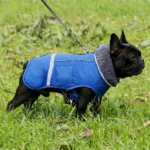
- consider a coat or sweater for short outings
- monitor for shivering or reluctance to move
Not every Frenchie needs clothing, but for many dogs, especially leaner or older ones, it can be a practical comfort tool rather than a fashion accessory.
A coat may be more helpful if your Frenchie is:
- older
- thin
- shaved from a medical procedure
- sensitive to cold
- living in a colder climate
Again, there is no one perfect number that defines the best temperature for French Bulldogs, but once your dog starts acting cold, that is a more meaningful signal than trying to win an argument with the weather report.
Even when the weather does not seem extreme, some French Bulldogs may begin to struggle with heat sooner than expected. If you want to know what early warning signs to watch for, read French Bulldog Overheating Signs: Early Warning Signs Before Heat Stroke.
When Temperature Becomes a Medical Issue
The best temperature for French Bulldogs is not just a comfort topic. Sometimes temperature exposure becomes a real medical issue.
In hot weather, contact a veterinarian urgently if your dog has:
- extreme panting
- labored breathing
- collapse
- vomiting
- diarrhea
- confusion
- weakness
- abnormal gum color
- severe lethargy
Even if your dog seems better after cooling down, internal complications can still happen after serious overheating.
In cold weather, contact a veterinarian if your dog:
- keeps shivering intensely
- seems weak or unsteady
- will not warm up normally indoors
- seems confused or unusually tired
- has signs of illness during or after cold exposure
French Bulldogs are not the kind of breed where “wait and see” is always the safest plan if breathing or temperature stress is clearly involved.
How to Judge Temperature by Your Dog, Not Just the Thermometer
One of the most useful things owners can learn is that the best temperature for French Bulldogs is not only about numbers.
Two Frenchies may react very differently to the same day based on:
- body condition
- airway anatomy
- excitement level
- fitness
- age
- humidity
- sun exposure
- whether they are walking or resting
That means the real question is not just:
“What is the temperature?”
It is also:
- How is my dog breathing?
- Is my dog recovering normally?
- Does my dog seem eager and comfortable?
- Is my dog slowing down unusually fast?
- Is the environment humid, sunny, or poorly ventilated?
If your Frenchie is breathing harder than expected, slowing down, or seeming distressed, the conditions are already too much — even if the number looks “safe.”
This is one reason your content clusters work well together. Owners who land on this article may also need:
- French Bulldog Breathing Hard
- Heat Stroke in French Bulldogs
- BOAS Ultimate Guide for French Bulldogs
FAQ
What is the best temperature for French Bulldogs indoors?
A commonly comfortable indoor range for many French Bulldogs is around 20–22°C (68–72°F). However, the best temperature for French Bulldogs can vary depending on age, weight, airway health, and how well the dog tolerates warmth.
What temperature is too hot for French Bulldogs?
For many French Bulldogs, temperatures above about 22–24°C (72–75°F) should be treated with caution, especially if humidity, direct sun, exercise, or poor airflow are involved.
What temperature is too cold for French Bulldogs?
Many French Bulldogs become uncomfortable when temperatures fall below about 7–10°C (45–50°F), especially in wet or windy conditions or if they are small, older, or unwell.
Do French Bulldogs overheat easily?
Yes. French Bulldogs overheat much more easily than many other breeds because their brachycephalic anatomy makes panting less effective.
Can French Bulldogs live in hot climates?
They can, but they usually need careful management such as air conditioning, limited outdoor activity, shade, water, and close monitoring during warm weather.
How do I know if my French Bulldog is too hot?
Heavy panting, loud breathing, slowing down, drooling, weakness, distress, vomiting, or collapse are all warning signs. If your dog looks unwell in the heat, stop activity and seek veterinary advice promptly.
French Bulldogs are especially vulnerable to heat because brachycephalic breeds rely on panting to cool themselves, and their shortened airway anatomy makes that process less efficient. VCA Animal Hospitals has a helpful overview of heat stroke in dogs, including why fast recognition and early action matter so much when a dog begins to overheat: https://vcahospitals.com/know-your-pet/heat-stroke-in-dogs
Final Thoughts
The best temperature for French Bulldogs is usually a cool, comfortable, well-ventilated range rather than anything warm or extreme. For many dogs, around 20–22°C (68–72°F) indoors is a sensible target, but no single number can guarantee safety. Heat, humidity, activity, airway health, and individual sensitivity all matter.
The most important thing owners can do is stop thinking of temperature as just a number on a screen. The best temperature for French Bulldogs is the one your dog can handle without heavy panting, breathing strain, or visible discomfort. If your Frenchie is showing signs of distress, the conditions are already too much — regardless of what the weather app says.
When in doubt, err on the side of cooler, calmer, and less strenuous. With this breed, that is usually the safer choice.


Why Your French Bulldog Chews Everything (and How to Stop It)
Ultimate 2026 French Bulldog Harness & Health Guide
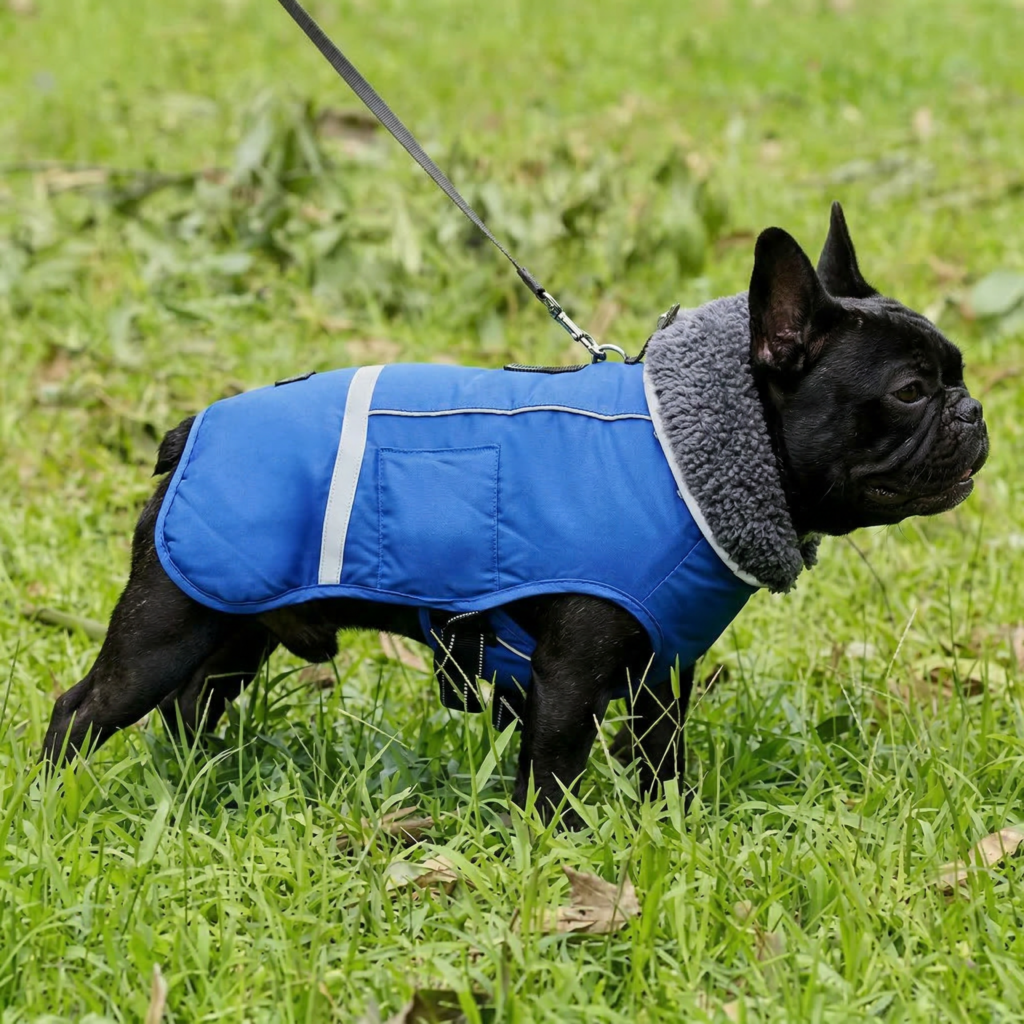
The Complete Scientific Guide to Cooling Vests for French Bulldogs
Overweight French Bulldog: Healthy Weight, Fat Frenchie Risks, and Safe Weight Loss Guide
Joint Supplements for French Bulldogs: What Actually Works