Written by Jinna CAMERON, veterinary medical student and dog health researcher. Reviewed for factual accuracy against trusted veterinary sources by DVM Carla DONTESK
French Bulldog skin fold dermatitis is one of the most common skin problems seen in this breed, and it can range from mild redness to a painful, smelly skin infection that needs veterinary care. Because French Bulldogs have deep facial folds and a brachycephalic build, moisture, debris, and microbes can collect in the skin folds and cause irritation or infection over time.
If you live with a Frenchie, this is a problem worth understanding early. French Bulldog skin fold dermatitis is often manageable when caught soon, but it can become chronic if the folds stay moist or inflamed. In many dogs, the first signs are subtle: a little redness, a faint odor, or a patch of skin that looks damp or irritated. In more advanced cases, the skin may become sore, darkened, crusted, or ulcerated.
This article explains what French Bulldog skin fold dermatitis is, why French Bulldogs are prone to it, what it smells and looks like, how veterinarians diagnose it, and what safe treatment and prevention usually involve.
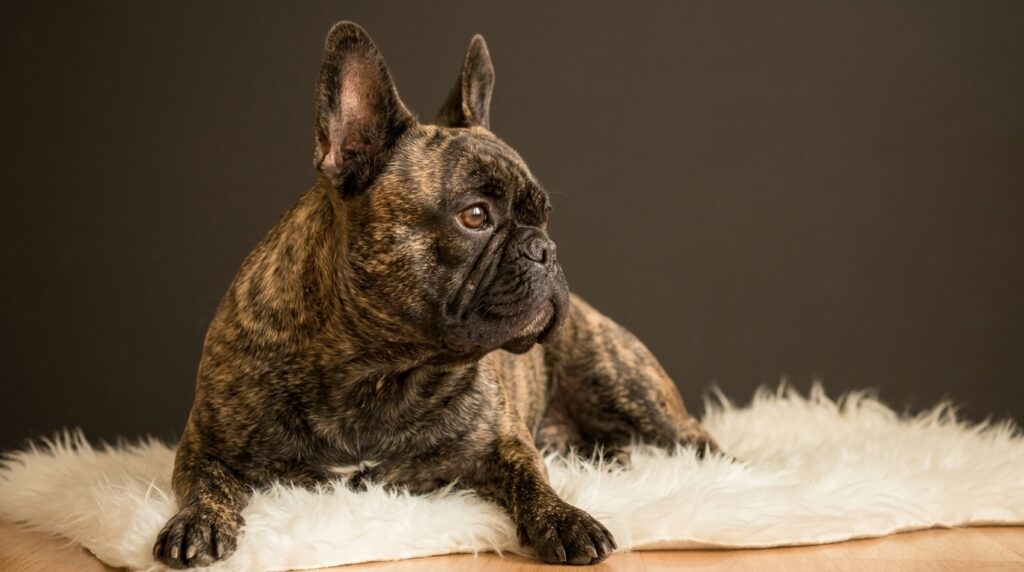
Important note: This article is educational and written from the perspective of a veterinary medical student, not a licensed veterinarian. It is not a substitute for an in-person exam, especially if your dog is painful, has discharge, or the skin is getting worse.
What Is French Bulldog Skin Fold Dermatitis?
French Bulldog skin fold dermatitis is inflammation that develops where skin rubs against skin. In veterinary medicine, it is often called intertrigo or skin fold dermatitis. The folds create a warm, moist, low-airflow environment where irritation can start and microbes can multiply.
That is the basic reason this condition happens:
- skin folds trap moisture
- trapped skin surfaces rub together
- debris and secretions build up
- bacteria and yeast may overgrow
In simple terms, the fold becomes an environment that is easy to irritate and hard to keep dry.
This is why French Bulldog skin fold dermatitis is not just a cosmetic issue. It can progress from mild inflammation to true infection if the skin stays irritated long enough. Veterinary dermatology sources commonly describe it as a type of surface pyoderma or intertriginous dermatitis, meaning the skin itself becomes inflamed and may become colonized by microbes.
French Bulldogs are especially prone because of their facial anatomy, but the same general process can affect other folds too, including body folds and tail pocket areas.
Why French Bulldogs Are So Prone to Skin Fold Dermatitis
French Bulldogs are a brachycephalic breed, which means they have a shortened skull and a compact facial structure. That anatomy is part of the reason they are so popular, but it also creates the conditions that make French Bulldog skin fold dermatitis more likely.
Main reasons French Bulldogs are prone:
1. Deep facial wrinkles and folds
The face has skin folds that can trap saliva, tears, food, and moisture.
2. Reduced airflow in the folds
Skin that does not get much air stays damp longer, which gives irritation and microbes a better chance to develop.
3. Frequent moisture exposure
Frenchies may have tear overflow, drooling, or dampness around the nose and mouth, all of which can irritate the folds.
4. Friction between skin surfaces
When folds rub together, the skin barrier can break down.
5. Excess weight can make folds worse
Obesity is not the cause of every case, but extra body weight can deepen folds and increase the risk of skin irritation.
6. Underlying allergies or skin disease
Some dogs have recurring inflammation because they also have environmental or food allergies, which can make the skin more reactive.
Veterinary data suggest that skin fold dermatitis is a meaningful health issue in brachycephalic dogs, and French Bulldogs appear to be one of the higher-risk breeds. That does not mean every French Bulldog will develop it, but it does mean owners should treat prevention as part of routine care rather than waiting until a problem appears.
This is also why French Bulldog skin fold dermatitis often comes back if the folds are only treated once and then ignored. Without ongoing care, the same environmental conditions can return.
Signs of French Bulldog Skin Fold Dermatitis
The signs can be mild at first, which is why many owners do not notice the problem until it has been there for a while.
Common signs include:
- redness in the fold
- moisture or dampness
- a yeasty, sour, or musty odor
- itching or rubbing
- licking or pawing at the face
- hair loss around the fold
- crusting or flaky skin
- discharge
- pain or tenderness
- darkened skin from chronic irritation
- thickened or broken skin in severe cases
A mild case of French Bulldog skin fold dermatitis may look like simple redness with a little moisture. A more serious case may have obvious odor, discharge, or pain.
Skin folds can trap moisture and friction, which makes them a common place for irritation and infection to start. In French Bulldogs, fold problems may also overlap with allergy-related skin disease. If you want a clearer breakdown of the differences, read French Bulldog allergies vs skin infection.
Mild irritation vs infection
A helpful distinction is this:
Mild irritation may look like:
- slight redness
- damp skin
- minimal odor
- no obvious pain
- dog acting mostly normal
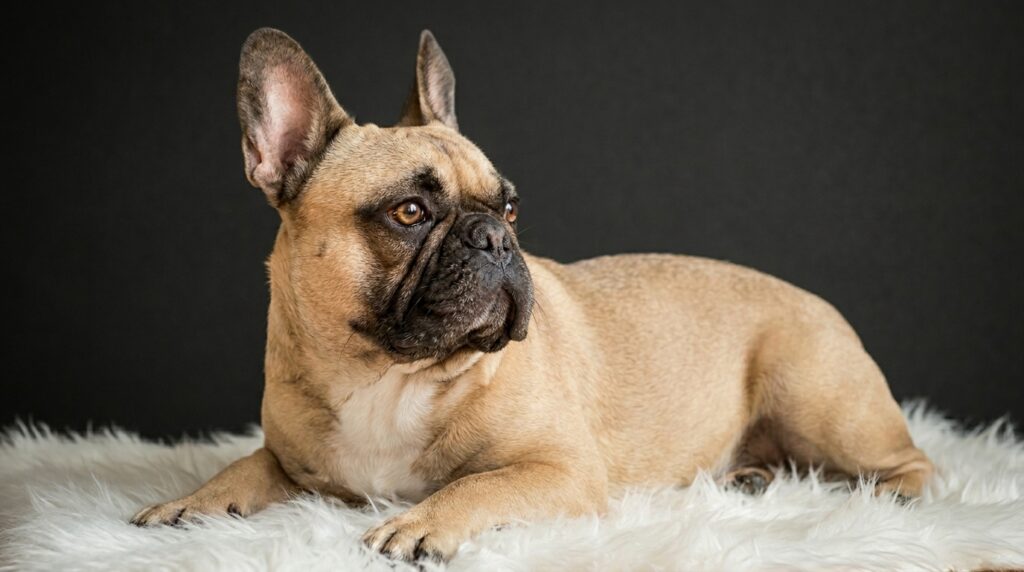
Possible infection may look like:
- strong smell
- yellow or brown discharge
- crusting
- swelling
- pain when touched
- raw or ulcerated skin
- repeated recurrence
This difference matters because mild irritation may improve with cleaning and drying, while infection often needs veterinary treatment. If you are not sure which one your dog has, it is safer to treat it as something that should be checked.
Why French Bulldog Skin Fold Dermatitis Smells Bad
One of the most common search intents around this problem is the odor. Owners often notice a smell before they notice the skin itself.
A bad smell usually means the fold is no longer just damp or irritated. It may now be supporting microbial overgrowth, especially yeast, bacteria, or both. That odor can be:
- yeasty
- sour
- musty
- “funky”
- sometimes sharp or foul if infection is more advanced
The smell matters because it can be one of the earliest practical clues that the skin fold is becoming infected rather than simply irritated.
That does not mean every odor is an emergency, but it does mean the fold should be inspected carefully. If the smell keeps coming back or becomes stronger, the underlying problem is probably not being fully controlled.
When French Bulldog owners search for “smelly wrinkles,” they are often describing this exact stage of French Bulldog skin fold dermatitis: the fold is wet, inflamed, and starting to support microbes.
What Causes French Bulldog Skin Fold Dermatitis?
Several factors often work together. The condition is rarely caused by one single thing.
1. Moisture
Moisture is the biggest driver. When skin stays damp, the barrier becomes weaker and more irritated. In French Bulldogs, moisture may come from:
- drool
- tears
- food residue
- water after drinking
- sweat-like moisture trapped in the fold
- humid weather
2. Friction
When the folds rub against each other, the skin can become inflamed. Repeated friction breaks down the skin barrier and makes irritation easier.
3. Trapped debris
Skin folds can trap:
- dirt
- food particles
- skin oils
- saliva
- tear discharge
- dead skin
That trapped material can feed microbes and make the environment more inflamed.
4. Yeast overgrowth
Yeast commonly involved in dog skin disease, especially Malassezia, may overgrow in a warm, moist fold. This can contribute to odor, redness, and itchiness.
Skin fold dermatitis can sometimes stay mild, but moisture trapped in the folds can also create a setting where yeast overgrows. That is why a fold problem may turn into something smellier, greasier, and more uncomfortable. You can read more about that connection in our article on French Bulldog yeast skin infection.
5. Bacterial overgrowth
Bacteria can also multiply in irritated folds. In more advanced cases, this may become a true superficial infection.
6. Underlying skin disease
Some dogs have allergies or other skin conditions that make the folds more vulnerable. In those cases, French Bulldog skin fold dermatitis may be recurring unless the underlying issue is also addressed.
7. Body condition
Extra body fat can make folds deeper and harder to keep dry. Weight management does not solve every case, but it can help reduce recurrence in some dogs.
The main point is that French Bulldog skin fold dermatitis is usually a combination problem: anatomy plus moisture plus friction plus microbes.
If the skin around your French Bulldog’s face is already irritated, it is a good idea to check the ears too. A recurring ear infection in French Bulldog can sometimes go along with other skin inflammation.
Skin fold dermatitis can sometimes stay mild, but in other cases the trapped moisture and friction can create a setting where bacteria or yeast overgrow. That is why a fold problem may need more than just drying the area. If you want to understand the signs that the skin may be infected rather than just irritated, see our full article: https://brachydogcare.com/french-bulldog-skin-infection/
How Veterinarians Diagnose French Bulldog Skin Fold Dermatitis
A veterinarian will usually start with:
- the dog’s history
- where the skin problem is located
- how long it has been happening
- whether it smells
- whether the dog is itchy or painful
- whether it keeps coming back
In many cases, the diagnosis is based on what the skin looks like and where the lesion is located. But for anything recurrent, severe, or not improving, additional testing is often helpful.
Common diagnostic steps may include:
- skin cytology to look for yeast, bacteria, or inflammatory cells
- skin scrapings if another skin problem is suspected
- culture in more complicated or treatment-resistant cases
- checking for allergies or other underlying triggers
Cytology is useful because it helps veterinarians tell whether the problem is mostly irritation, yeast, bacteria, or a mix of all three. That matters because treatment choices are not the same.
A strong smell, discharge, or pain makes it more likely that French Bulldog skin fold dermatitis has become more than simple irritation.
Skin fold irritation can sometimes be part of a bigger pattern, especially if a French Bulldog starts licking or scratching an already inflamed area. When the skin becomes wet, red, and painful, it may progress into a hot spot. You can learn more in our article on French Bulldog hot spots.
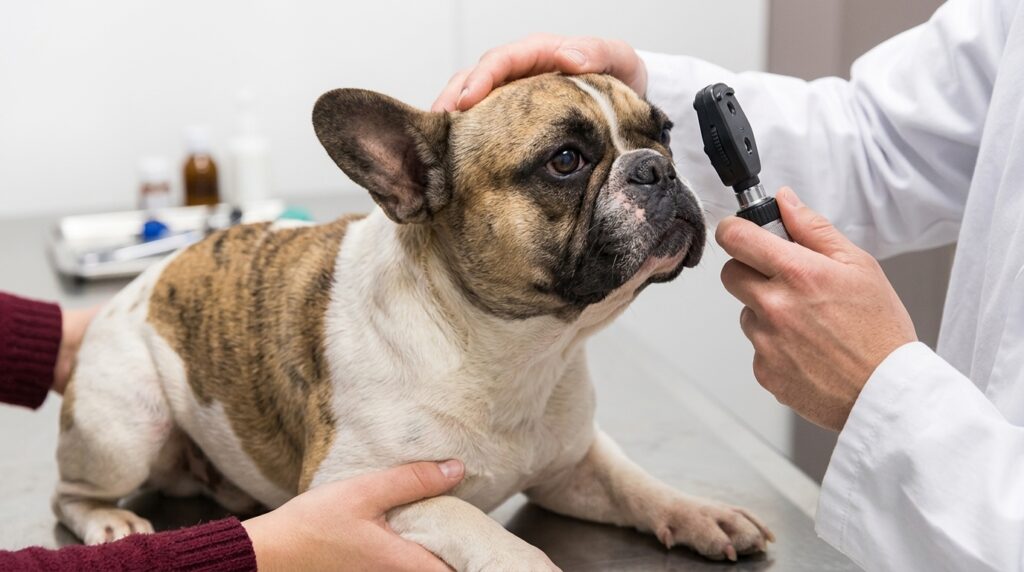
French Bulldog Skin Fold Dermatitis Treatment
Treatment depends on how severe the problem is and whether infection is present. The goal is to reduce moisture, control microbes if needed, calm inflammation, and prevent recurrence.
Veterinary treatment may include:
- topical antiseptic cleaning
- antifungal or antibacterial topical products
- culture-guided medication in more severe cases
- pain relief if the area is very sore
- treatment of any underlying allergy or skin disease
- in selected severe recurrent cases, surgery
Veterinary dermatology sources commonly emphasize that topical therapy is often the first line for superficial fold disease. That usually means cleaning the skin fold and using a veterinarian-recommended product that helps reduce the microbial burden. Chlorhexidine-based products are often used, and antifungal ingredients may be added when yeast is involved.
In more severe cases, veterinarians may prescribe targeted medication based on what they find on cytology or culture. Systemic antibiotics are not something to use casually; they are usually reserved for deeper or more extensive infection.
Why this matters
It is common for owners to assume a wrinkly area just needs more cleaning. But if the skin is already infected, too much scrubbing or the wrong product can make things worse. The best French Bulldog skin fold dermatitis treatment is the one matched to the actual cause and severity.
Surgical options
If a dog has repeated, severe, painful skin fold disease that does not stay controlled with routine care, a veterinarian may discuss surgery. The exact procedure depends on the fold involved, but the goal is to remove or reduce the skin that keeps trapping moisture.
Surgery is not the usual first step. It is more of a long-term option for selected cases that keep relapsing despite good care.
Safe At-Home Care for Mild French Bulldog Skin Fold Dermatitis
If the area looks mildly irritated but your dog is otherwise comfortable, home care may help support the skin while you arrange veterinary guidance if needed.
A safe daily routine may include:
- Use a vet-approved cleanser or wipe
Choose a product your veterinarian recommends for dogs. Not every wipe is appropriate. - Gently separate the fold
Do not scrub aggressively. The skin is often already sensitive. - Remove debris carefully
Wipe away moisture, dirt, or residue without rubbing the skin raw. - Dry thoroughly
This is one of the most important steps. A damp fold is much more likely to flare again. - Repeat as advised
Some dogs need daily care; others only need maintenance several times per week. - Watch for changes
If redness, odor, discharge, or pain gets worse, stop assuming it is just a minor irritation.
A few practical tips
- Clean folds when your dog is calm.
- Keep the area dry after meals, drinking, or exercise.
- Check the skin in good lighting.
- Use a clean cloth or gauze if needed.
- Be consistent rather than aggressive.
This is one reason French Bulldog skin fold dermatitis often becomes a recurring issue: many owners clean only when the problem is obvious, but prevention depends on routine, gentle maintenance.
For a step-by-step routineHow to Clean French Bulldog Wrinkles Safely and French Bulldog Wrinkle Care.
What Not to Put on French Bulldog Wrinkles
This is just as important as what to use.
Many common human products are not appropriate for dog skin folds, especially if the skin is raw or if the dog can lick the area.
Avoid:
- human acne creams
- alcohol-based products
- hydrogen peroxide
- essential oils
- heavily fragranced wipes
- random antibiotic ointments unless your vet says to use them
- steroid creams unless prescribed
- harsh disinfectants
- powders that can clump in the fold
- vinegar or DIY mixtures that can sting irritated skin
Some online advice suggests home remedies, but for French Bulldog skin fold dermatitis, the safest approach is usually a vet-recommended antiseptic or antimicrobial product, not a kitchen remedy.
A good rule is this: if the product is made for humans, smells strongly, burns on contact, or you would not want your dog licking it, it probably should not go in the wrinkle unless a veterinarian specifically approves it.
When to See a Vet
Some mild redness can be monitored briefly, but certain signs should prompt a veterinary exam.
See a vet soon if:
- the odor is strong or getting worse
- the skin is red and moist for more than a day or two
- your dog seems itchy or uncomfortable
- the fold is repeatedly inflamed
- you see discharge or crusting
- the skin is starting to break down
- the problem keeps coming back
See a vet urgently if:
- the area is very painful
- there is ulceration or open skin
- there is pus or thick discharge
- the skin is swollen or rapidly worsening
- your dog is lethargic or not acting normally
- the condition is spreading beyond the fold
If French Bulldog skin fold dermatitis is already causing pain or open sores, it should not be treated like a simple cosmetic issue. The longer the inflammation continues, the harder it can be to settle.
How to Prevent French Bulldog Skin Fold Dermatitis from Coming Back
Prevention is usually a lifelong part of care in French Bulldogs. That may sound inconvenient, but it is often much easier than repeatedly treating flare-ups.
Prevention usually includes:
1. Daily or regular cleaning
Some dogs need daily care. Others do well with maintenance a few times per week. The right schedule depends on the dog.
2. Thorough drying
Moisture control is one of the most important parts of prevention.
3. Weight management
Keeping your dog lean can help reduce fold depth and skin irritation.
4. Monitoring after eating, drinking, or swimming
Any time the face gets wet, the folds should be checked and dried.
5. Addressing allergies or other skin disease
If the problem keeps returning, there may be another driver behind it.
6. Using only veterinarian-approved products
Consistency matters, but the product should be appropriate for dog skin.
7. Watching the nose, eyes, and tail pocket too
French Bulldogs often have more than one fold-related issue. It can be helpful to think about fold care as part of a broader routine, not a one-spot fix.
In some dogs, maintenance wipe use a few times per week may help reduce flare-ups, but the best routine is one your veterinarian agrees with for your dog specifically.
For related reading:
Those articles fit naturally into the same prevention cluster because moisture and facial anatomy often affect several areas at once.
French Bulldog Skin Fold Dermatitis: Quick Owner Checklist
If you want a simple way to remember what matters most, use this checklist:
- Is the fold red?
- Is it moist?
- Does it smell bad?
- Is there discharge or crusting?
- Does your dog seem bothered by it?
- Is the problem recurring?
- Is the skin breaking down?
If the answer is yes to several of these, French Bulldog skin fold dermatitis may be more than mild irritation and should be assessed by a veterinarian.
FAQ:
What does French Bulldog skin fold dermatitis look like?
It usually looks like redness, moisture, irritation, or crusting in a skin fold. In more advanced cases, the skin may look raw, swollen, or discolored.
Does French Bulldog skin fold dermatitis smell bad?
Often yes. A yeasty, sour, or musty odor can suggest microbial overgrowth and should not be ignored.
Is French Bulldog skin fold dermatitis the same as a yeast infection?
Not exactly. Yeast can be part of it, but French Bulldog skin fold dermatitis can also involve bacteria, friction, moisture, and irritation.
Can French Bulldog skin fold dermatitis go away on its own?
Mild irritation may improve if the fold is cleaned and dried, but true infection usually does not fully resolve without proper treatment.
Can I use baby wipes on my French Bulldog’s wrinkles?
Not automatically. Many baby wipes contain ingredients that are not ideal for dog skin. It is safer to use a product your veterinarian recommends.
What is the best thing to clean French Bulldog wrinkles with?
A veterinarian-approved dog-safe cleanser or wipe is usually the safest option. The right product depends on whether the skin is just damp, irritated, or infected.
When should I worry about my French Bulldog’s wrinkles?
Be concerned if the area is smelly, painful, crusty, oozing, or keeps coming back. Those signs suggest French Bulldog skin fold dermatitis may need veterinary care.
Does weight loss help?
If a dog is overweight, yes, weight management may help reduce fold depth and make prevention easier. It will not fix every case, but it can help.
Do severe cases ever need surgery?
Yes, but only in selected dogs with chronic, recurrent, severe skin fold disease that does not stay controlled with medical management.
Is it safe to treat this at home?
Only mild cases should be managed at home, and even then, careful monitoring is important. If the area is painful, infected, or not improving, a veterinarian should examine it.
Final Thoughts
French Bulldog skin fold dermatitis is common, but it should not be dismissed as just part of having a wrinkly dog. The condition is usually driven by moisture, friction, and microbial overgrowth, and it can become painful or chronic if it is not managed properly.
The good news is that many cases are manageable when owners stay consistent with cleaning, drying, and early veterinary care. The key is to recognize the problem early, avoid harsh home remedies, and treat recurrence as a sign that the skin needs a better long-term plan.
If your French Bulldog has redness, odor, or recurring irritation in the folds, that is a good time to speak with your veterinarian. The sooner French Bulldog skin fold dermatitis is addressed, the easier it usually is to control.
For a more technical veterinary overview of intertrigo and skin fold dermatitis in dogs, you can read this veterinary dermatology guide for additional background on how the condition develops, why moisture and friction matter, and why ongoing management is often needed. It’s a useful reference if you want to better understand the medical side of French Bulldog skin fold dermatitis.


Why Your French Bulldog Chews Everything (and How to Stop It)
Ultimate 2026 French Bulldog Harness & Health Guide
The Complete Scientific Guide to Cooling Vests for French Bulldogs
Overweight French Bulldog: Healthy Weight, Fat Frenchie Risks, and Safe Weight Loss Guide
Joint Supplements for French Bulldogs: What Actually Works