Written by Jinna CAMERON, veterinary medical student and dog health researcher. Reviewed for factual accuracy against trusted veterinary sources by DVM Carla DONTESK
If you’re reading this, chances are you’re lying awake at night listening to your Frenchie’s breathing and wondering, “Is this normal?” I’ve been there too. French bulldog breathing problems are a common concern for many Frenchie owners, and that worry in your chest? It comes from love. Those adorable snorts, snores, and unique breathing sounds that make your Frenchie so uniquely them can sometimes shift from “cute quirk” to “something’s not right.”
Here’s what I want you to know: you’re not overreacting, and you’re definitely not alone. Understanding the difference between those endearing Frenchie sounds and something that needs attention can truly save your dog’s life. And that’s exactly why we created this guide to walk beside you through every step.
In this article, you’ll discover how to spot the early warning signs of breathing difficulties, including the signs of breathing distress in French Bulldogs, when you should head to the emergency vet, and gentle, practical ways to help your Frenchie breathe easier at home. We’ll also cover treatment options including surgery and what it costs plus products that actually make a difference. Whether your Frenchie’s breathing is just a little noisy or keeping you both up at night, consider this your go-to resource for brachycephalic dog breathing help and peace of mind.
What is BOAS? Understanding French Bulldog Breathing Problems
Let’s start with the heart of the matter. French bulldog breathing problems often stem from a condition called BOAS—Brachycephalic Obstructive Airway Syndrome. It sounds scary, but understanding it is the first step to helping your pup.
Here’s what’s happening inside your Frenchie: their adorable flat face (the very thing that makes you fall in love with them over and over) comes with a trade-off. Their skull is compressed, but the soft tissues inside like the soft palate and nasal tissues haven’t gotten the memo to shrink along with it. The result? A bit like trying to breathe through a crowded hallway.
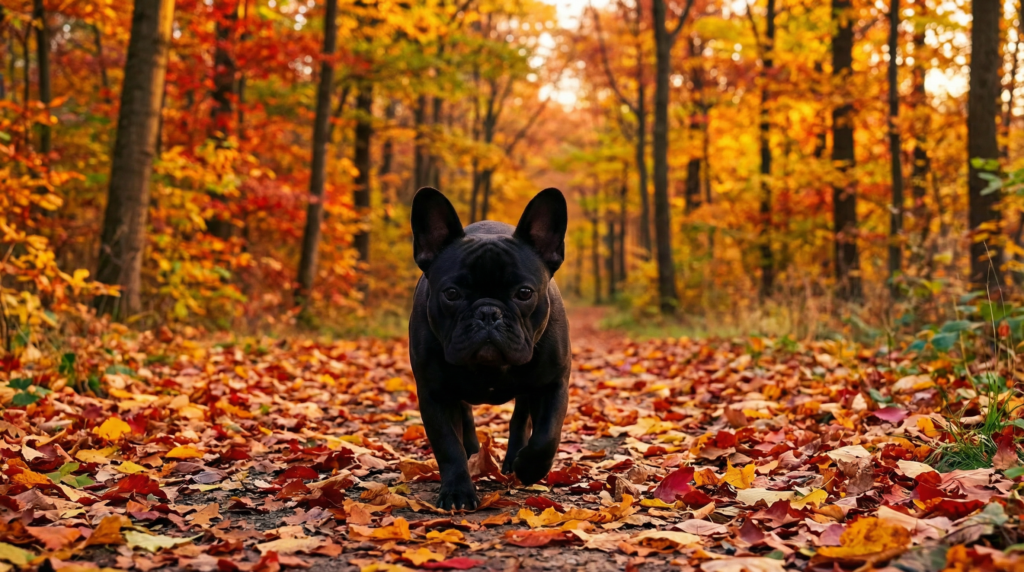
Anatomy of the Problem
Let me break down what’s actually going on in there:
Stenotic nares: Those cute squishy nostrils? Sometimes they’re so pinched that air can barely squeeze through, making nose-breathing a real challenge.
Elongated soft palate: Imagine the soft tissue at the back of the mouth being a bit too long, flopping back and partially blocking the airway every time your Frenchie tries to breathe. That’s what’s happening.
Hypoplastic trachea: The windpipe is narrower than it should be—think of trying to drink a milkshake through a coffee stirrer instead of a regular straw.
Everted laryngeal saccules: These are small pouches of tissue that get sucked into the airway, creating yet another obstacle for airflow.
Here’s a statistic that might surprise you: approximately 90% of French Bulldogs have some degree of BOAS. So if you’ve been feeling like you’re the only one dealing with this, please know—this is incredibly common. Your Frenchie’s unique head shape, the very thing that makes them so irresistible, also makes them prone to these airway challenges.
French Bulldog Breathing Problems: Symptoms to Watch for at Home
Early Warning Signs
Recognizing French bulldog breathing problems early can make a profound difference in your dog’s quality of life—and your peace of mind. You know your Frenchie better than anyone. Trust that instinct when something feels off.
Let’s go through what to look for, from the subtle early signs to the ones that need immediate attention.
Early Warning Signs : These are the whispers before the shout—the subtle clues that your Frenchie’s breathing might need a closer look:
- Sleeping with head elevated: Ever notice your Frenchie propping their head on a pillow, your leg, or the edge of their bed? They might be doing this instinctively to breathe easier.
- Snoring: Yes, Frenchies snore—it’s part of their charm! But if the snoring has gotten louder, happens constantly, or includes gasping sounds, it’s worth paying attention to.
- Noisy breathing during rest: Those little sounds have names. Stridor is a high-pitched wheezing, while stertor is that low, snoring-like rumble. Both can be normal, but persistent or worsening sounds warrant attention.
- Exercise intolerance: You know that joyful bounce in your Frenchie’s step? If walks are getting shorter because they’re tiring quickly or lagging behind, their breathing might be the culprit.
- Gagging or regurgitation: If your pup often gags after eating or drinking, especially when excited, their airway might be irritated.
Signs of Breathing Difficulty – Progressive Symptoms
- Extended neck posture: Your Frenchie stretching their neck forward and upward, almost like they’re trying to create more room for air.
- Open-mouth breathing at rest: If they’re breathing through their mouth even when calm and cool, something’s not right.
- Flared nostrils with visible effort: Watch their nose—if you see the nostrils working hard to pull in air, that’s significant effort.
- Cyanosis: Blue, gray, or purple gums and tongue. This is an emergency. It means oxygen isn’t getting through.
- Collapse or fainting: If your Frenchie collapses or loses consciousness, this is an emergency—don’t wait.
Three Clear Signs of Difficulty Breathing
If you’re wondering what absolutely warrants immediate action, here are three signs that say “call your vet now”:
- Open-mouth breathing at rest: This indicates their nose isn’t doing its job, and their airway is struggling.
- Blue or gray gums/tongue: This signals insufficient oxygen. Seek emergency care immediately.
- Collapse or fainting: This is life-threatening. Urgent veterinary attention is essential.
BOAS Severity Grading Scale
Your veterinarian might use a grading system to describe what they’re seeing:
| Grade | Symptoms |
|---|---|
| Grade 0 | No clinical signs—your Frenchie breathes comfortably |
| Grade 1 | Mild noisy breathing, but no exercise intolerance |
| Grade 2 | Moderate symptoms, some exercise intolerance—walks get harder |
| Grade 3 | Severe symptoms, difficulty breathing even at rest |
| Grade 4 | Life-threatening respiratory distress emergency situation |
Knowing where your Frenchie falls on this scale helps you and your vet make the best decisions together.
Why Do French Bulldogs Breathe So Loud?

It’s the question every Frenchie parent asks eventually. Those sounds—part snort, part snore, part something you can’t quite describe—are uniquely Frenchie. But why?
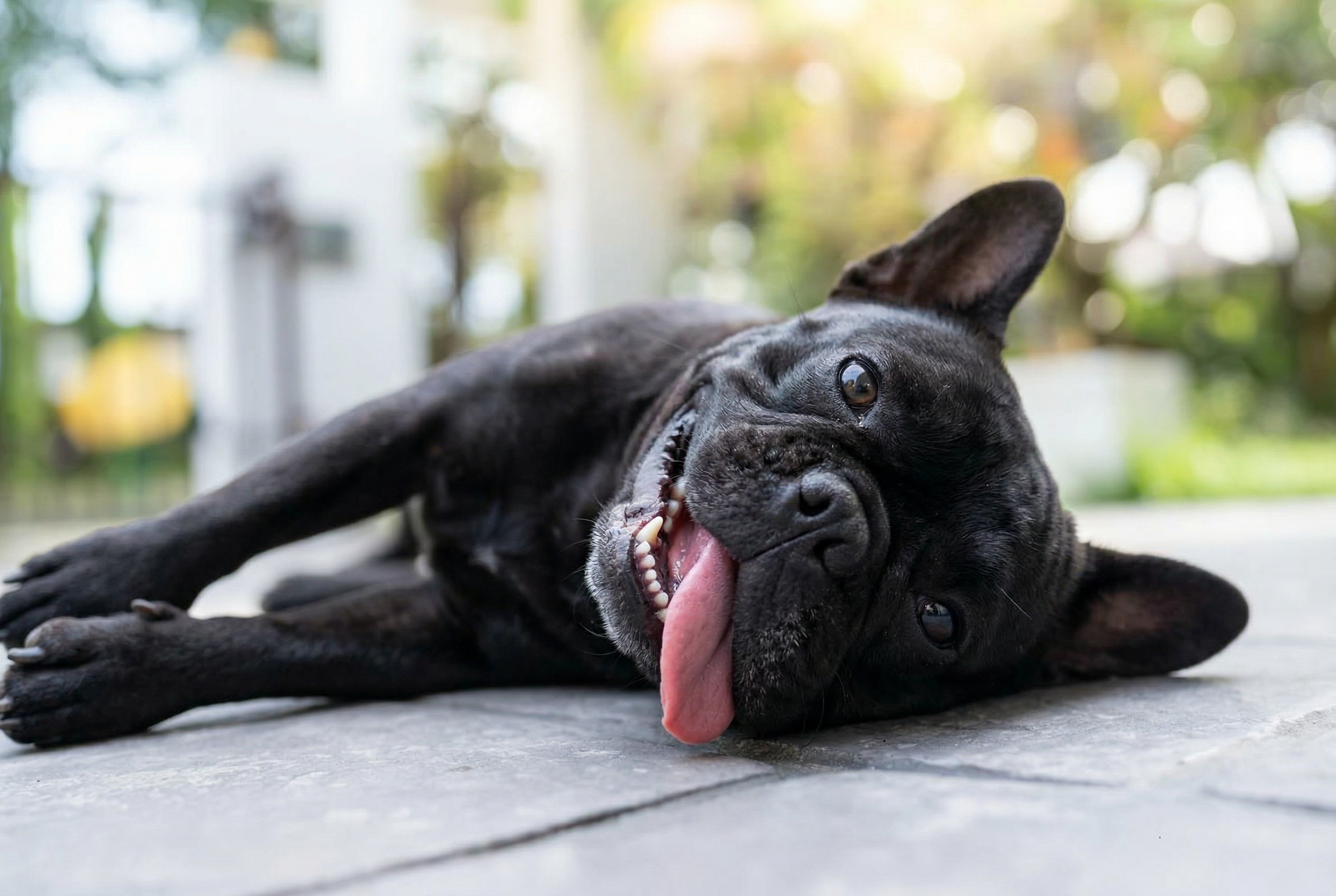
The answer lies in those crowded airways we talked about. When air tries to move through narrow passages and past soft tissues that vibrate with each breath, you get those characteristic Frenchie sounds:
Stridor: That high-pitched, almost wheezing sound—think of air forcing through a small opening.
Stertor:The lower-pitched snoring or snorting sound—like soft tissue vibrating as air passes by..
Here’s the truth: some noisy breathing is normal for French Bulldogs. It’s part of the package we signed up for when we fell in love with this breed. But loud breathing that’s getting worse, especially when your Frenchie is resting or sleeping, usually means those airways are more crowded than they should be.
The key is knowing your dog’s baseline. What’s “normal loud” for your Frenchie? When does it cross into “concerning loud”? Trust yourself—you know their sounds better than anyone.
When my French Bulldog Bella was diagnosed with Grade 2 BOAS, I felt overwhelmed. The information here helped me understand what she was going through and gave me actionable steps to improve her quality of life. We implemented the home management tips—switching to a harness, managing her weight, and avoiding hot weather—and within weeks, her nighttime snoring decreased significantly. This resource gave me the confidence to advocate for Bella with our vet
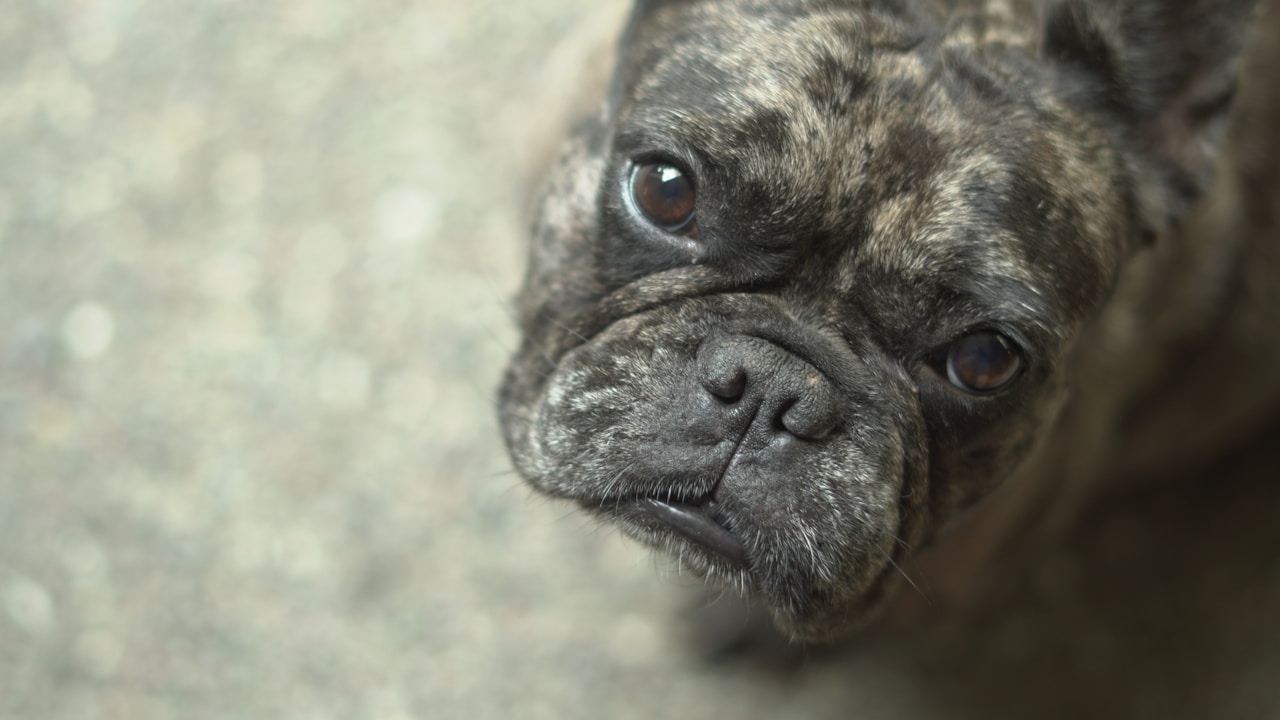
Bella’s Journey
Sarah M., French Bulldog Mom (Texas)
Signs of Respiratory Distress: When It’s an Emergency
I want to pause here and say: if you’re reading this section with a sinking feeling because your Frenchie is struggling right now, please skip to the emergency checklist and get to a vet. This information will be here when you need it later.
When French bulldog breathing problems escalate into respiratory distress, every minute matters. This is the scary stuff, and I’m not going to sugarcoat it—but I am going to help you recognize it and know exactly what to do.
What Respiratory Distress Looks Like
Watch for these signs that your Frenchie is in trouble:
- Rapid, shallow breathing or panting that just won’t ease, even when they’re calm and cool
- That look in their eyes panic, anxiety, almost like they’re saying “help me”
- Standing with elbows pointed out and neck stretched forward, trying desperately to open the airway
- Blue, gray, or purple gums and tongue (cyanosis)—this means oxygen isn’t reaching their tissues
- Excessive drooling, more than their usual adorable Frenchie slobber
- Loss of consciousness or collapse
- When to Go to Emergency Vet – Check
Get a checklist right now
What to Do Before You Get to the Vet
Those minutes before you reach help matter. Here’s how to make them count:
- Stay as calm as you can. I know it’s hard—your heart is probably pounding. But your Frenchie looks to you for safety. Take one deep breath for yourself, then focus.
- Move your Frenchie to the coolest, quietest spot you can find. Heat and stress make breathing harder.
- Offer small amounts of cool water if they can drink safely. But if they’re really struggling to breathe, don’t force it—water in already-stressed airways can cause more problems.
- Call the emergency vet ahead of time so they’re ready the moment you walk in.
- Transport with car windows slightly open for maximum airflow. Keep the car cool.
Having a dog first aid kit within reach gives you peace of mind and essential tools for those scary moments before you reach professional help.

How to Manage French Bulldog Breathing Problems at Home
Here’s where you get to take action. While severe cases need a veterinarian’s expertise, there’s so much you can do at home to ease your Frenchie’s breathing and improve their daily comfort. These strategies can significantly reduce French bulldog breathing problems and help your pup feel better every single day
Weight Management
I know,no one wants to hear that their baby needs to lose weight. But here’s the truth: even one or two extra pounds on a Frenchie is like carrying a backpack while trying to breathe through a straw. That extra weight presses on their already-crowded airway.
Keeping your Frenchie at a healthy weight might be the single most impactful thing you can do. Talk to your vet about the ideal weight for your specific dog. Portion control, balanced nutrition, and gentle exercise (not overdoing it!) all help. Your Frenchie might give you the sad eyes at dinner time, but easier breathing is absolutely worth it.
Use a Harness, Not a Collar
This one’s simple but so important. Collars put direct pressure on the trachea—exactly what a Frenchie with breathing issues doesn’t need.A well-fitted harness distributes pressure across the chest instead of the delicate neck area.
When you’re shopping for a harness, look for:
- Adjustable fit so it’s snug but not restrictive
- Wide straps that don’t dig in
- Good coverage across the chest
- Breathable material (Frenchies run warm!)
Temperature Control
French Bulldogs and heat are not friends. Their breathing mechanism doesn’t allow them to cool down efficiently, so they can overheat dangerously fast—even when it doesn’t feel that hot to you.
Some ways to protect them:
- Schedule walks for early morning or evening when it’s coolest
- Keep your home comfortably air-conditioned when it’s warm
- Offer frozen treats (frozen plain yogurt or broth in ice cube trays)
- Use cooling mats where your Frenchie likes to rest
- Watch constantly for signs of overheating: excessive panting, drooling, bright red gums, lethargy
Exercise Modification
Exercise is still important, but it needs to look different for a Frenchie with breathing challenges:
- Consider mental stimulation games indoors instead of physical exercise on hot days
- Think “gentle stroll” rather than “power walk”
- Let your Frenchie set the pace—if they slow down or stop, they need a break
- Avoid the hottest parts of the day entirely
- Watch for early signs of fatigue: heavy panting, tongue hanging far out, slowing down
How to Unblock a Frenchie’s Nose
Those adorable flat faces sometimes mean congested nasal passages. Here’s how to help:
- Saline nasal drops: Ask your vet for their recommendation. A few drops can help moisturize and clear those narrow passages.
- Humidifiers and air purifiers: Dry, dusty air makes breathing harder. A humidifier adds moisture, and air purifier remove irritants like dust, dander, and pollen. Many Frenchie owners tell us that one of the best air purifiers for pets made a noticeable difference in their dog’s comfort.
- Keep those facial folds clean and dry: Infections in the nose folds can contribute to congestion. A gentle daily wipe prevents problems.
When breathing problems are driven by the airway obstruction itself rather than a passing trigger, some French Bulldogs reach a point where management alone isn’t enough and a vet raises the possibility of an operation. If you’ve gotten to that stage, or just want to understand the option before you ever need it, our full guide to BOAS surgery for French Bulldogs walks through when it’s considered, what it costs, and what recovery actually looks like.
What Can I Give My Dog to Help Her Breathe Easier?
get this question a lot. While nothing replaces veterinary care for serious issues, there are supportive supplements that many Frenchie parents have found helpful:
- Omega-3 fatty acids help reduce inflammation throughout the body—including the airways. Many owners report that adding a high-quality supplement like this omega-3 fatty acid supplement has supported their Frenchie’s overall respiratory health.
- Natural herbal respiratory support can be another gentle option. Products containing herbs known to soothe airways, like this natural respiratory support supplement are popular among pet parents seeking gentle BOAS support for French Bulldogs.
For a more comprehensive approach, some owners add a multivitamin designed specifically for brachycephalic breeds. joint and lung support multivitamin is formulated with Frenchies and their cousins in mind.
A gentle reminder: Always consult your veterinarian before starting any new supplement. What works beautifully for one dog might not be right for another, and your vet knows your Frenchie’s full health picture.Heat stroke is a major risk, as we discussed in our [Heat Stroke Guide]
How to Help My Frenchie Breathe Better ?
If your Frenchie is struggling, immediate action is key. Here is how to help your Frenchie breathe better right now:
Check the harness: Ensure nothing is pressing on their throat.
Cool them down: Heat exacerbates breathing issues. Move them to AC immediately.
Calm them down: Stress increases oxygen demand. Use gentle petting and a soft voice.
Best Products for French Bulldogs with Breathing Issues
Let’s talk about products that actually make a difference. I’m not here to sell you things you don’t need
I’m here to share what’s genuinely helped other Frenchie families manage breathing challenges at home.
Best Dog Respiratory Supplements for French Bulldogs
Look for supplements containing N-acetylcysteine, omega-3 fatty acids, antioxidants, and quercetin to support respiratory health. These ingredients can help reduce inflammation and mucus buildup. Remember, supplements are supportive but not a cure. Always check with your vet before starting.
Top-Rated Air Purifiers for French Bulldogs
Good air quality reduces allergens and irritants that worsen breathing. Choosing from the best air purifiers for pets with HEPA filters capable of capturing pet dander and dust is key. Consider room size capacity and place purifiers in your Frenchie’s favorite resting areas to maximize benefit.
Best Dog Food for French Bulldogs Prone to Breathing Problems
Weight management is crucial for dogs with BOAS, and selecting the right dog food for French Bulldog breathing issues can make a significant difference. Many owners opt for grain-free or limited ingredient diets that are easier to digest and less likely to cause inflammation. A quality option to consider is grain-free dog food formulated to support healthy weight and reduce respiratory strain.
Recommended Harnesses
Choose harnesses that avoid neck pressure, provide good chest coverage, and use breathable materials. Adjustable straps ensure a snug but comfortable fit, reducing airway strain during walks
Every breath a brachycephalic dog takes is a quiet battle understanding their struggle is the first step to giving them the life they deserve.
This article accurately describes the BOAS grading system and provides practical guidance for French Bulldog owners. Early recognition of breathing difficulties is critical—many owners mistake symptoms like snoring and exercise intolerance as ‘normal for the breed,’ when they actually indicate significant airway obstruction that warrants veterinary evaluation.
Dr. Sarah Mitchell
DVM, DACVS Board-Certified Veterinary Surgeon | Small Animal Surgery Specialist
BOAS Treatment Options: How to Fix Breathing Problems
For Frenchies with moderate to severe French bulldog breathing problems, management at home might not be enough. And that’s okay there are effective medical options that can dramatically improve quality of life
Many owners first notice airway problems when their French Bulldog starts breathing harder than usual, especially during mild exercise, heat, or rest. If you are trying to tell the difference between common breed-related noise and more concerning breathing effort, read our guide to FRENCH BULLDOG BREATHING HARD.
Can BOAS Be Cured?
Here’s the honest answer: BOAS can’t be completely “cured” because it’s built into your Frenchie’s anatomy. But this is importantsurgery combined with ongoing management can significantly improve your dog’s breathing and quality of life. Many dogs go from struggling to thriving after treatment.
Is BOAS Painful for Dogs?
BOAS causes discomfort and breathing difficulty, which affects quality of life. Dogs can’t tell us when something hurts, but you might notice:
- Signs of distress like excessive panting
- Restlessness, especially at night
- Reluctance to play or exercise
- Positioning themselves to breathe easier
If you’re seeing these, it’s worth discussing with your vet whether treatment could help.
Does Every Frenchie Need BOAS Surgery?
Not necessarily. It depends entirely on severity and impact on daily life:
- Mild cases often do well with conservative management—weight control, harness use, temperature regulation, and avoiding triggers.
- Moderate to severe cases usually benefit from surgery, especially if your Frenchie is struggling with daily activities.
Your veterinarian can help you decide what’s right for your specific pup.
Non-Surgical Management
If surgery isn’t the right choice right now, or if your Frenchie has mild symptoms, these strategies help:
- Avoid triggers like extreme heat and humidity
- Maintain a healthy weight (I know I keep saying this—it’s that important)
- Modify your home environment (cool, clean air)
- Limit intense exercise
- Always use a harness
Surgical Options
When surgery is recommended, here’s what might be involved:
- Soft palate resection: The elongated soft tissue at the back of the throat is carefully trimmed to stop it from blocking the airway. This is the most common BOAS surgery.
- Stenotic nares correction: The nostrils are surgically widened to allow better airflow through the nose. This can be done alone or with other procedures.
- Everted saccule removal: Small tissue pouches in the larynx that have been pulled into the airway are removed.
Many dogs benefit from a combination of procedures. Recovery typically takes about two weeks, and most owners report significant improvement in their Frenchie’s breathing afterward.
BOAS Surgery Cost Breakdown
Let’s talk money because this matters for planning:
| Procedure Type | Cost Range |
|---|---|
| Single procedure | $1,500 – $3,000 |
| Multiple procedures | $3,000 – $6,000 |
What affects cost:
- Your location (veterinary costs vary significantly by region)
- The severity and complexity of your dog’s case
- The surgeon’s expertise and experience
- What’s included (pre-op exams, anesthesia, surgery, post-op care)
Some pet insurance plans cover BOAS surgery if it’s not considered a pre-existing condition. It’s worth checking your policy.
How Risky is BOAS Surgery?
Every surgery has risks, and anesthesia is always a consideration with brachycephalic breeds. But here’s the encouraging news: BOAS surgery has a 70-90% success rate in significantly improving breathing.
Choosing a veterinarian experienced with brachycephalic breeds minimizes risk. Don’t be afraid to ask about their experience and success rates.
What is the Best Age for BOAS Surgery?
Earlier is generally better often recommended before 1-2 years old because it prevents progressive damage to the airway. But dogs of any age can benefit if they’re healthy enough for anesthesia.
Some veterinarians recommend waiting until a puppy is fully grown (around 12 months) to assess the full extent of the issue, while others advocate for earlier intervention. This is a conversation to have with a vet who specializes in brachycephalic breeds.
We bred them for adorable faces, but in doing so, we compromised their breath. The least we can do is educate ourselves to protect their every breath
How to Find a Vet Specializing in Brachycephalic Breathing
Not all veterinarians have extensive experience with brachycephalic breeds. You want someone who truly understands what your Frenchie is going through.
Here’s how to find the right partner for your pup’s care:
- Look for board-certified veterinary surgeons or practices with specific brachycephalic experience
- Ask your current vet directly: “How many BOAS surgeries have you performed? What’s your typical outcome?”
- Use online resources like the ACVS (American College of Veterinary Surgeons) surgeon finder
- Check breed club recommendations — French Bulldog clubs often maintain lists of experienced vets
- Trust your instincts: If a vet dismisses your concerns or tells you “that’s just how Frenchies breathe,” consider a second opinion
- Don’t hesitate to travel: The right vet is worth the drive
Your Frenchie deserves a care team that understands their unique needs. Keep looking until you find someone who listens and takes your concerns seriously.
FAQ: Your French Bulldog Breathing Questions Answered
Is it normal for French Bulldogs to snore?
Yes, some snoring is completely normal for this breed—it comes with that flat-faced territory. However, snoring that’s loud, constant, accompanied by gasping, or seems to be getting worse should be evaluated by your vet. Trust your instincts.
How do I know if my Frenchie has BOAS?
Look for a combination of: noisy breathing that gets worse with exercise, tiring quickly on walks, gagging after eating or drinking, difficulty breathing in warm weather, and sleeping with head elevated. Your veterinarian can confirm the diagnosis and discuss severity.
When should I worry about my Frenchie’s breathing?
Immediate veterinary care is needed if you see: blue or gray gums, collapse or fainting, severe distress that lasts more than a few minutes, or your Frenchie can’t get comfortable. These are emergency signs.
How much does BOAS surgery cost?
Costs vary widely but typically range from $1,500 to $6,000 depending on which procedures are needed, your location, and the surgeon. Ask your vet for a detailed estimate.
Can a French Bulldog live a long, happy life with BOAS?
Absolutely. With proper management weight control, environmental modifications, harness use, and treatment when needed French Bulldogs with BOAS live full, joyful lives. Many seniors are thriving with the right care.
What makes breathing worse for Frenchies?
The main triggers are: heat and humidity, excess weight, excitement and stress, strenuous exercise, airborne allergens, and anything that puts pressure on the neck (like collars). Managing these can make a huge difference.
What if I can’t afford BOAS surgery?
Talk to your vet about options: payment plans, CareCredit, or veterinary teaching hospitals that sometimes offer reduced-cost procedures. In the meantime, focus on management strategies weight control alone can dramatically improve symptoms.
Can French Bulldogs breathe through their nose?
Many Frenchies struggle to breathe through their nose because of narrow nostrils (stenotic nares). This is why you’ll often see them breathing through their mouth, especially during activity.
Conclusion: Helping Your Frenchie Breathe Easier
If you’ve made it this far, I want you to know something: the fact that you’re here, reading, learning, and caring this deeply about your Frenchie’s breathing that makes you an incredible dog parent.
Recognizing the warning signs of French bulldog breathing problems and knowing when it’s an emergency can truly save your dog’s life. But the everyday choices matter too: keeping your pup at a healthy weight, using a harness instead of a collar, protecting them from heat, and creating a home environment with clean, cool air.
If your Frenchie needs more support, treatment options including surgery offer real hope for significant improvement. You don’t have to watch your dog struggle. Help is available.
Remember, you’re not walking this path alone. Countless Frenchie parents face these same challenges, ask these same questions, and feel these same worries. With the right knowledge, a supportive veterinary team, and a whole lot of love, your flat-faced friend can breathe easier and live their happiest life.
French Bulldogs with breathing difficulties are also more vulnerable to other everyday care risks, especially in warm weather or during exercise. If you are building a safer routine for your dog, it also helps to understand the signs of heat stroke in French Bulldogs and reverse sneezing, choose one of the best harnesses for French Bulldogs for lower neck pressure, and look into the best cooling vests for French Bulldogs for hot days when extra heat management may be needed.
not just during walks or exercise. If you regularly carry your dog to vet visits, short outings, or travel situations, choosing the best carrier for French Bulldog owners can help improve airflow, comfort, and overall stability while reducing some of the stress that poorly designed carriers may create for brachycephalic breeds.Snoring is one of the most common airway-related signs owners notice at home, so it may help to read my guide to French Bulldog snoring and when it may signal a more serious breathing problem.
You’ve got this. And so does your Frenchie.
This article is for informational and educational purposes only and does not constitute veterinary advice. Always consult with a qualified veterinarian for diagnosis and treatment of your dog’s health conditions. If your French Bulldog is showing signs of respiratory distress, seek immediate veterinary care.