French Bulldog reverse sneezing can be one of the most alarming breathing episodes for owners to witness. If your Frenchie suddenly stiffens, extends their neck, and makes a loud snorting or honking sound, it is easy to fear they are choking or struggling to breathe.
In many cases, the episode is French Bulldog reverse sneezing a reflex that often looks dramatic but may be brief and self-limiting. Still, because French Bulldogs are a brachycephalic breed with naturally narrowed upper airways, it is important not to dismiss every noisy breathing episode too casually.
In this guide, I’ll explain what French Bulldog reverse sneezing looks like, why it happens, what owners can safely do during an episode, and when veterinary care matters. I’m writing this as a veterinary medical student and dog health educator, not as a licensed veterinarian, so this article is educational only and should not replace care from your own vet.
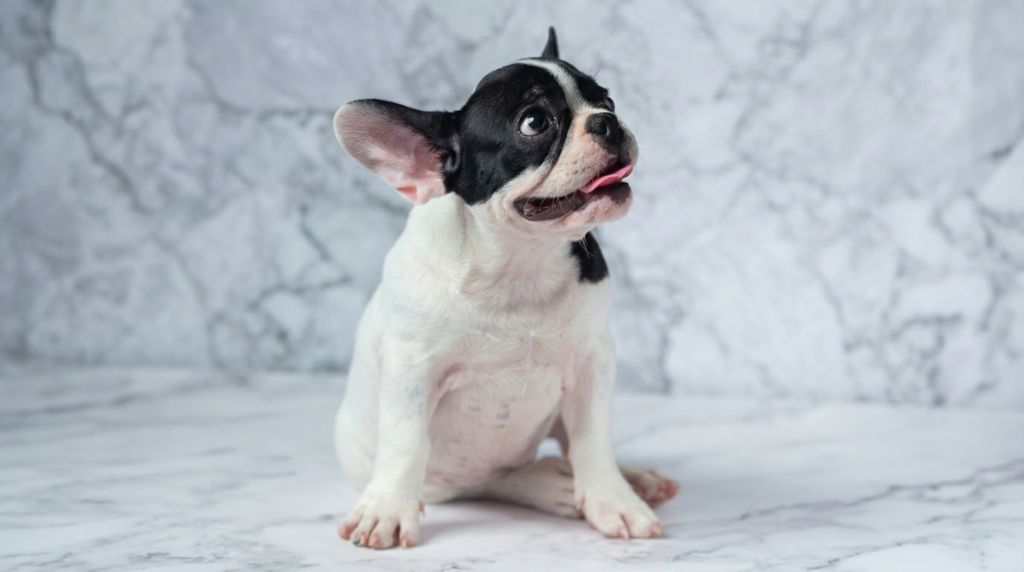
What is French Bulldog reverse sneezing?
French Bulldog reverse sneezing is a sudden episode of rapid inward inhalation through the nose. Instead of forcefully pushing air out like a normal sneeze, the dog pulls air inward in short, repeated bursts, often making a snorting, gasping, or honking sound.
Veterinary sources describe reverse sneezing as a reflex linked to irritation in the nasopharynx, the area behind the nose and upper throat. During an episode, many dogs:
- stand still or brace themselves
- extend the neck
- keep the mouth mostly closed
- flare the nostrils
- make repeated loud inhaling sounds for several seconds
In French Bulldogs, this can be especially frightening because the breed often has naturally noisy upper-airway breathing to begin with.
What does French Bulldog reverse sneezing sound like?
Owners often describe it as:
- honking
- snorting
- choking-like inhaling
- rapid nasal gasping
- a strange “can’t catch their breath” sound
A French Bulldog reverse sneezing episode is usually brief, often lasting a few seconds to under a minute, although some may last a bit longer.
How reverse sneezing is different from a normal sneeze
A normal sneeze pushes air out through the nose or mouth. Reverse sneezing pulls air in through the nose in repeated, forceful inhalations.
That difference matters because many owners do not search for the term “reverse sneezing” at first. They search things like:
- “my French Bulldog is making a choking sound”
- “my Frenchie keeps snorting”
- “why is my dog gasping through the nose”
A normal sneeze is usually short and outward. Reverse sneezing tends to involve:
- a more dramatic posture
- multiple inhalations in a row
- a louder, more unusual sound
- brief stiffness or neck extension
Even so, not every noisy breathing episode in a Frenchie is definitely reverse sneezing, which is why breed context matters.
Why French Bulldogs may be more prone to reverse sneezing
French Bulldogs are brachycephalic, meaning they have a shortened skull and muzzle. That anatomy is part of the breed’s appearance, but it also means the airway is more crowded and often less efficient.
In Frenchies, upper-airway anatomy may include:
- narrowed nostrils
- a relatively elongated soft palate
- crowded nasal passages
- increased airway resistance
- more turbulent airflow
That turbulent airflow can irritate sensitive tissues in the upper airway and may contribute to French Bulldog reverse sneezing or other noisy breathing episodes.
French Bulldog reverse sneezing and brachycephalic anatomy
This does not mean every French Bulldog with reverse sneezing has a serious problem. But it does mean Frenchies are not the same as long-nosed breeds when it comes to breathing concerns.
Because of their anatomy, French Bulldogs may be more likely to have:
- upper-airway irritation
- snorting and noisy breathing
- overlapping airway symptoms
- episodes that are mistaken for reverse sneezing or vice versa
This is one reason owners of brachycephalic breeds should be more cautious about repeated breathing-related symptoms.
If you want a broader overview of airway disease in this breed, see my guide to BOAS in French Bulldogs.
Common causes of French Bulldog reverse sneezing
French Bulldog reverse sneezing can happen for several reasons, and sometimes there is no single obvious cause. In many dogs, the trigger seems to be irritation of the upper airway.
1. Environmental irritants
French Bulldogs may reverse sneeze after exposure to:
- dust
- pollen
- smoke
- perfumes
- scented candles
- cleaning sprays
- air fresheners
- mold or poor indoor air quality
These can irritate the nose and upper throat, especially in a dog with a sensitive airway.
2. Excitement or overstimulation
Some Frenchies reverse sneeze when they get overly excited, such as during:
- greetings
- rough play
- zoomies
- barking fits
- anticipation around food or walks
Excitement can change breathing patterns and may trigger an episode in a dog already prone to upper-airway irritation.
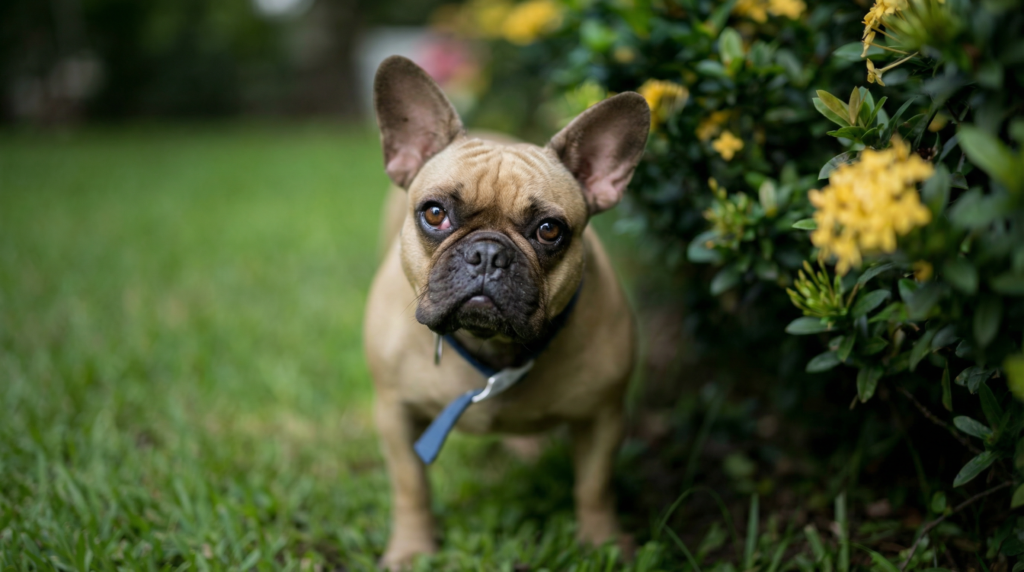
3. Pulling against a collar
Pressure on the neck can irritate the throat and upper airway. This is especially relevant in brachycephalic dogs.
If your Frenchie tends to pull on walks, a collar may worsen airway stress. In most cases, a well-fitted harness is the safer option for this breed. I cover that more in my guide to the best harnesses for French Bulldogs.
4. Eating or drinking too quickly
Some dogs reverse sneeze after:
- gulping water
- eating too fast
- swallowing air
- getting overexcited at mealtime
This may briefly irritate the soft palate or upper throat area.
5. Exercise or increased airflow demand
After activity, some French Bulldogs develop noisy breathing or French Bulldog reverse sneezing-like episodes, especially if they already have brachycephalic airway narrowing.
This does not automatically mean the dog is in crisis, but exercise-triggered or repeat episodes should be taken more seriously in a Frenchie than in some other breeds.
6. Nasal inflammation, infection, or irritation
Upper respiratory irritation may sometimes contribute, including:
- rhinitis
- mild infection
- irritation from a foreign particle
- nasal mites in some cases
If reverse sneezing is paired with nasal discharge, blood, lethargy, coughing, or reduced appetite, veterinary evaluation becomes more important.
7. Elongated soft palate or BOAS-related airway issues
French Bulldogs are one of the breeds most affected by brachycephalic obstructive airway syndrome (BOAS). Dogs with BOAS may have:
- chronic snoring
- noisy breathing
- heat intolerance
- exercise intolerance
- upper-airway obstruction signs
An elongated soft palate or other brachycephalic airway changes may contribute to French Bulldog reverse sneezing or cause episodes that look similar to it.
That said, reverse sneezing alone is not enough to diagnose BOAS. It is better viewed as one possible symptom that can overlap with upper-airway disease.
Why does my French Bulldog keep reverse sneezing?
If your French Bulldog keeps reverse sneezing, the most likely explanation is that something is repeatedly irritating the upper airway — but the reason can vary.
Possible explanations include:
- recurring environmental irritation
- allergies or chronic inflammation
- repeated excitement-triggered episodes
- collar pressure
- soft palate irritation
- BOAS-related airway anatomy
- nasal disease or another upper-airway problem
Occasional brief episodes may be benign. But if your dog is reverse sneezing frequently, or the episodes are becoming more intense or more regular, that shifts the situation from “something to watch” to “something worth discussing with your veterinarian.”
In French Bulldogs, repeated symptoms deserve more attention because the breed is already predisposed to airway compromise.
French Bulldog reverse sneezing at night
French Bulldog reverse sneezing at night is worth taking more seriously.
A French Bulldog reverse sneezing at night may simply be having an isolated episode, but repeated nighttime breathing events can also overlap with:
- airway irritation while sleeping
- snoring and sleep-disordered breathing
- worsening upper-airway obstruction
- BOAS-related breathing problems
If your Frenchie:
- wakes up repeatedly with noisy breathing episodes
- snores heavily
- seems restless during sleep
- breathes with effort at night
- seems worse when lying down
it is a good idea to speak with your veterinarian.
Nighttime worsening does not automatically mean BOAS, but in a brachycephalic breed it is a sign worth paying attention to.
What to do during a French Bulldog reverse sneezing episode
The most important first step during French Bulldog reverse sneezing is to stay calm. Reverse sneezing often looks frightening, but panic can make the moment more stressful for both you and your dog.
Safe things owners can do
During an episode, you can usually:
- keep your dog calm and still
- speak softly
- reduce stimulation around them
- move away from smoke, spray, dust, or strong odors
- observe the episode carefully
Some veterinary sources note that gentle throat massage or briefly encouraging the dog to swallow may help in some cases. Some owners also briefly cover the nostrils for a moment to trigger swallowing, but this should only be done very gently and cautiously if your dog tolerates it well.
Important caution
Do not force any intervention if your dog seems distressed by it.
Avoid:
- shaking the dog
- restraining aggressively
- pressing hard on the throat
- using essential oils or home remedies
- spraying anything near the nose
- trying internet “tricks” that may irritate the airway further
In many cases, the episode passes on its own within a short time.
When French Bulldog reverse sneezing may be normal
Brief, occasional French Bulldog reverse sneezing can happen in otherwise healthy dogs. It may be more likely after:
- excitement
- pulling
- sudden odor exposure
- drinking too quickly
- mild upper-airway irritation
If the episode is:
- short
- self-limiting
- not worsening
- not paired with other symptoms
- followed by completely normal behavior
it may be a relatively minor event.
Still, “common” is not the same as “ignore it indefinitely,” especially in a breed with known breathing vulnerabilities.
When to worry about French Bulldog reverse sneezing
This is the part many owners actually need most.
You should contact a veterinarian if your French Bulldog has:
- frequent or worsening episodes
- episodes lasting longer than usual
- episodes that do not resolve quickly
- noisy breathing between episodes
- open-mouth breathing when not hot or exercising
- obvious breathing effort
- blue, gray, or pale gums
- collapse or weakness
- coughing, gagging, wheezing, or choking signs
- nasal discharge or bleeding
- low energy
- reduced appetite
- exercise intolerance
- nighttime worsening
Emergency red flags
Seek urgent veterinary care if your Frenchie has:
- blue or pale gums
- collapse
- severe respiratory distress
- prolonged inability to breathe normally
- open-mouth struggling for air
- extreme distress that does not settle quickly
Those signs go beyond typical reverse sneezing and may indicate a real breathing emergency.
French Bulldog reverse sneezing vs more serious breathing problems
Because French Bulldog reverse sneezing can look dramatic, it helps to compare it with signs that may point to a more serious breathing issue.
| Feature | French Bulldog Reverse Sneezing | More Serious Breathing Problem |
|---|---|---|
| Typical duration | Usually brief and self-limiting | Lasts longer, worsens, or does not settle normally |
| Sound | Snorting, honking, or repeated inward nasal inhaling | Harsh breathing, wheezing, choking, or continuous distress |
| Posture | Neck extended, dog usually remains standing and alert | Dog may look distressed, collapse, brace abnormally, or struggle to breathe |
| Breathing between episodes | Often normal again once the episode ends | Breathing may stay noisy, effortful, or abnormal afterward |
| Mouth | Usually mostly closed during the episode | Open-mouth breathing at rest is more concerning |
| Gums | Usually pink | Pale, gray, or blue gums need urgent veterinary attention |
| Associated signs | May happen after excitement, irritation, or drinking too quickly | May occur with coughing, weakness, lethargy, nasal discharge, exercise intolerance, or nighttime breathing issues |
| What owners should do | Stay calm, monitor, and note triggers | Contact a veterinarian promptly, and seek urgent care for emergency signs |
Owners cannot always tell the difference at home, especially in a brachycephalic breed. If your French Bulldog seems distressed, does not recover quickly, or has repeated breathing problems outside of isolated reverse sneezing episodes, veterinary evaluation is the safer choice.
Choking may look different
A choking dog may:
- paw at the mouth
- gag repeatedly
- look panicked
- have trouble swallowing
- not recover quickly
- sometimes show sudden distress after eating or chewing something
If you are unsure whether your dog is choking, having French Bulldog reverse sneezing, or truly struggling to breathe, it is safer to contact a veterinarian than assume it will pass.
Can BOAS make French Bulldog reverse sneezing worse?
Possibly, yes.
French Bulldogs with brachycephalic obstructive airway syndrome already have increased airway resistance and more turbulent airflow. That can make the upper airway more irritated and more vulnerable to French Bulldog reverse sneezing or other noisy episodes.
BOAS may also cause symptoms that overlap with reverse sneezing, such as:
- snorting
- snoring
- gagging
- noisy inhalation
- exercise intolerance
- heat sensitivity
- disturbed sleep
So while reverse sneezing does not prove a Frenchie has BOAS, repeated episodes in a brachycephalic dog should be looked at in the context of the whole breathing picture.
If your dog also struggles in hot weather, read my guide to heat stroke in French Bulldogs, because overheating and airway compromise can become a dangerous combination in this breed.
How veterinarians may evaluate frequent French Bulldog reverse sneezing
If your French Bulldog is having frequent or concerning French Bulldog reverse sneezing episodes, your veterinarian may look at the broader upper-airway picture rather than treating reverse sneezing as a standalone diagnosis.
Depending on the case, evaluation may include:
- a physical examination
- a history of triggers and episode frequency
- assessment of nostril shape and breathing noise
- an oral or airway exam
- a sedated upper-airway examination in some cases
- imaging or rhinoscopy if needed
- assessment for BOAS, nasal disease, infection, or other airway problems
This matters because reverse sneezing itself is a symptom pattern, not always a final diagnosis.
How to reduce French Bulldog reverse sneezing triggers at home
You should not try to “treat” French Bulldog reverse sneezing on your own, but you may be able to reduce common triggers in a safe way.
Helpful prevention steps may include:
- using a harness instead of a collar
- reducing smoke, sprays, and strong fragrances in the home
- avoiding intense exertion in hot weather
- keeping your Frenchie at a healthy weight
- slowing down gulping at meals if that seems relevant
- noticing patterns around excitement, walks, dust, or nighttime symptoms
For travel or outings, minimizing airway stress also matters. If you frequently transport your dog, a breathable setup can help support comfort and airflow, which I discuss in my guide to the best carrier for French Bulldogs.
Is French Bulldog reverse sneezing dangerous?
French Bulldog reverse sneezing is not always dangerous. Many episodes are brief and self-limiting.
But in French Bulldogs, the question is not only whether reverse sneezing itself is dangerous. The more important question is whether the episode is:
- truly reverse sneezing
- becoming frequent
- linked to airway irritation
- overlapping with BOAS or another breathing problem
That is why this symptom deserves a little more caution in Frenchies than it might in a long-nosed breed with no respiratory history.
Frequently asked questions
Final thoughts on French Bulldog reverse sneezing
French Bulldog reverse sneezing is often brief, dramatic, and alarming to watch, but it is not always an emergency. At the same time, Frenchies are not an average-breathing breed, so repeated noisy episodes deserve a little more caution.
The safest mindset is this:
- stay calm during brief episodes
- watch for patterns and triggers
- avoid unsafe home remedies
- take repeated, worsening, or distressing symptoms seriously
If your French Bulldog reverse sneezes once in a while and is otherwise completely normal, it may be a relatively minor airway reflex. But if your dog keeps having French Bulldog reverse sneezing, does it at night, or shows other breathing concerns, veterinary guidance is the safer next step.
Some Frenchies also have other noisy breathing signs, including French Bulldog snoring, which can overlap with broader upper-airway issues.

French Bulldog Cost in 2026: Price, Vet Bills, and the True Lifetime Cost
French Bulldog Temperament: Personality, and Are They Good Family Dogs?
Best Dog Toothpaste for French Bulldogs: A Vet-Guided Guide
Do French Bulldogs Shed? Coat, Grooming, and When to Worry
Why Your French Bulldog Chews Everything (and How to Stop It)
Calming Aids for French Bulldogs: What Actually Works
House Training a French Bulldog: Why It’s Hard and How to Succeed
How to Crate Train a French Bulldog: A Calm, Kind Guide