French Bulldog heat stroke is a life-threatening risk that every owner must be prepared for. Their charming flat faces make them extremely vulnerable to overheating, creating a medical emergency in warm weather.
Dogs cool themselves by panting, which allows moisture to evaporate from their tongues and lungs. For French Bulldogs, this process is inefficient due to Brachycephalic Obstructive Airway Syndrome (BOAS). Their shortened snouts, narrow nostrils, and elongated soft palates obstruct airflow, making it difficult to pant effectively. You can learn more about these anatomical challenges in our comprehensive guide to [French Bulldog Breathing Problems].
When a French bulldog shows signs of heatstroke, the situation is a medical emergency. The first five minutes after you recognise the symptoms are the most critical for their survival, This guide provides the information you need to act quickly, treat the condition, and prevent future episodes.
Why French Bulldogs Overheat So Quickly
A French Bulldog’s body is poorly designed for heat dissipation. Their brachycephalic features mean they simply cannot draw in enough air to cool down efficiently. While other dogs can manage a warm day, a Frenchie’s body temperature can rise to dangerous levels with shocking speed.
Their compact, muscular build also retains more heat. This combination of inefficient cooling and high heat retention creates a perfect storm for heat stroke, even in temperatures that seem mild to humans.
The Humidity Factor It isn’t just the temperature you need to watch—it’s the humidity. High humidity makes it even harder for a dog to cool down because the moisture in the air prevents evaporation. On a humid day, your Frenchie cannot evaporate the moisture on their tongue effectively, rendering panting almost useless. Always check the “heat index” or “real feel” temperature before stepping outside.
So, how hot is too hot for a French Bulldog? There is no single answer, but danger begins at temperatures as low as 70°F (21°C), especially if humidity is high or your dog is exercising. On hotter days (80°F+), the risk becomes severe within minutes. Many experts recommend that if it is too hot for you to hold your hand on the pavement for 5 seconds, it is too hot for your dog to walk.
If you’re trying to tell whether your French Bulldog’s panting is just from warmth or something more concerning, our new article, [French Bulldog Panting: Normal, Excessive, or a Warning Sign?], covers the difference between normal panting, overheating, and urgent breathing trouble.
The Difference Between Heat Exhaustion and Heat Stroke
Recognising the progression of overheating can save lives. It happens in stages, though it can escalate rapidly.
Stage 1: Heat Exhaustion (The Warning Zone) This is the early stage. Your dog is overheating but has not yet reached critical organ failure.
- Signs: Heavy panting, excessive thirst, lethargy, and a slightly unsteady gait.
- Action: Stop immediately, move to shade, offer cool water, and wet their ears and paws. If caught here, recovery is usually quick.
Stage 2: Heat Stroke (The Danger Zone) This is a life-threatening emergency where the body’s cooling system has failed completely, and internal temperatures often exceed 104°F (40°C).
- Signs: Vomiting, diarrhea, collapse, seizures, and blue gums.
- Action: Immediate cooling and emergency veterinary transport are required.
One of the earliest signs of overheating in this breed is a French Bulldog breathing hard and struggling to recover normally. For a broader guide to what hard breathing can mean in Frenchies, including non-heat-related causes, see french-bulldog-breathing-hard
5 Warning Signs of Heat Stroke (Visual Checklist)
If you see any of these signs, you must act immediately. Your dog is in distress and needs help right now.
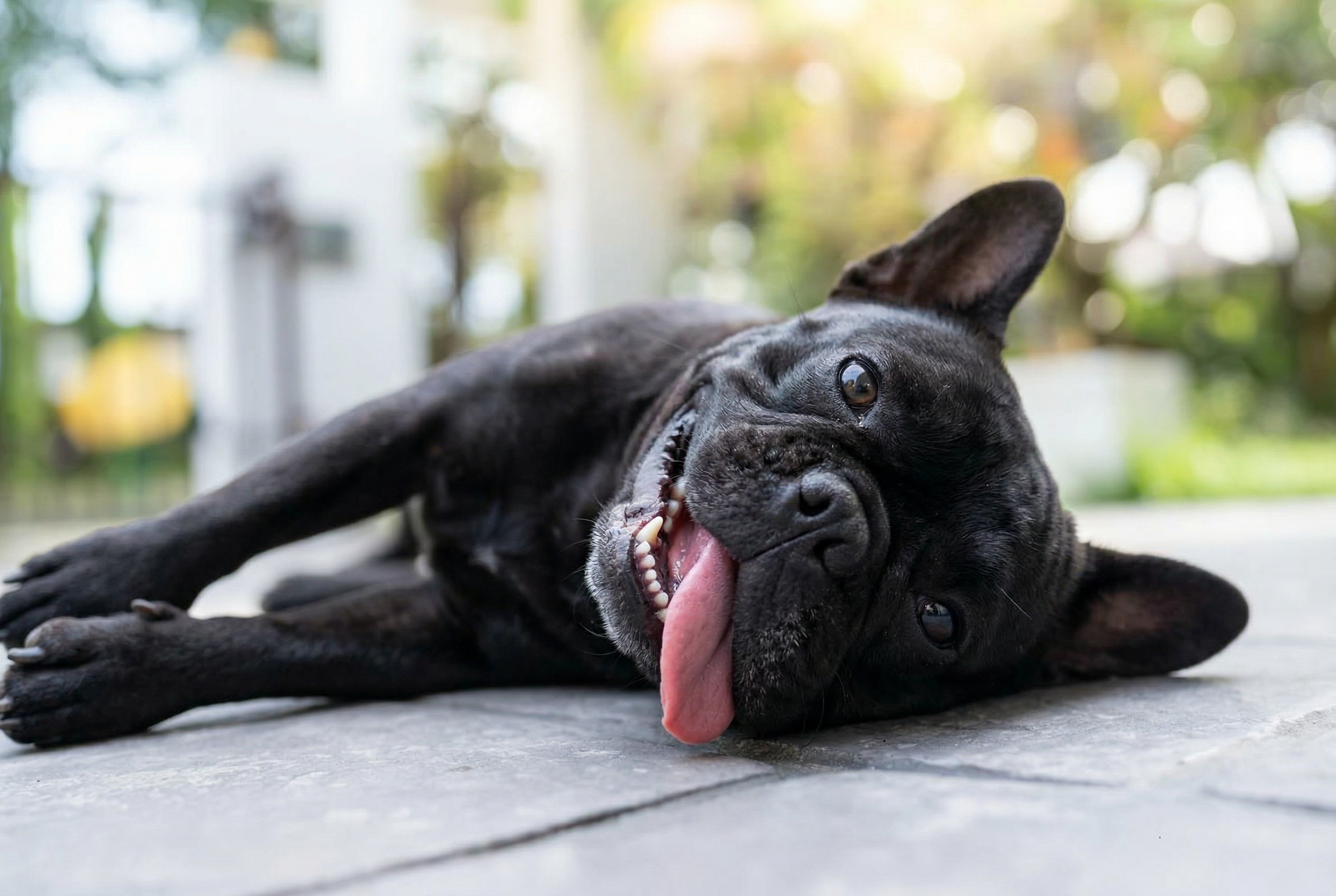
- Heavy, Noisy Panting: Frantic, loud, or raspy breathing that is much more intense than normal post-play panting. It often sounds like a “roar”.
- Excessive Drooling or Foaming: Thick, ropey saliva or foam at the mouth indicates the body is struggling to cool down and is becoming dehydrated.
- Bright Red or Blue Gums: Healthy gums are a bubble-gum pink. Bright red gums show the body is trying to release heat, while bluish or purple gums (cyanosis) mean a critical lack of oxygen.
- Wobbly Gait or Collapse: Dizziness, confusion, stumbling, or an inability to stand are signs of severe heat stroke affecting the brain and blood pressure.
- Vomiting or Diarrhea: Your dog may vomit or have diarrhea, which can sometimes contain blood. This is a sign of internal distress.
Immediate First Aid: What To Do Right Now
Follow these steps the moment you suspect heat stroke. Do not wait.
Step 1: Move Your Dog Immediately Carry your dog to a shaded area or, even better, an air-conditioned room. Do not let them walk, as movement generates more body heat. Stop all activity instantly.
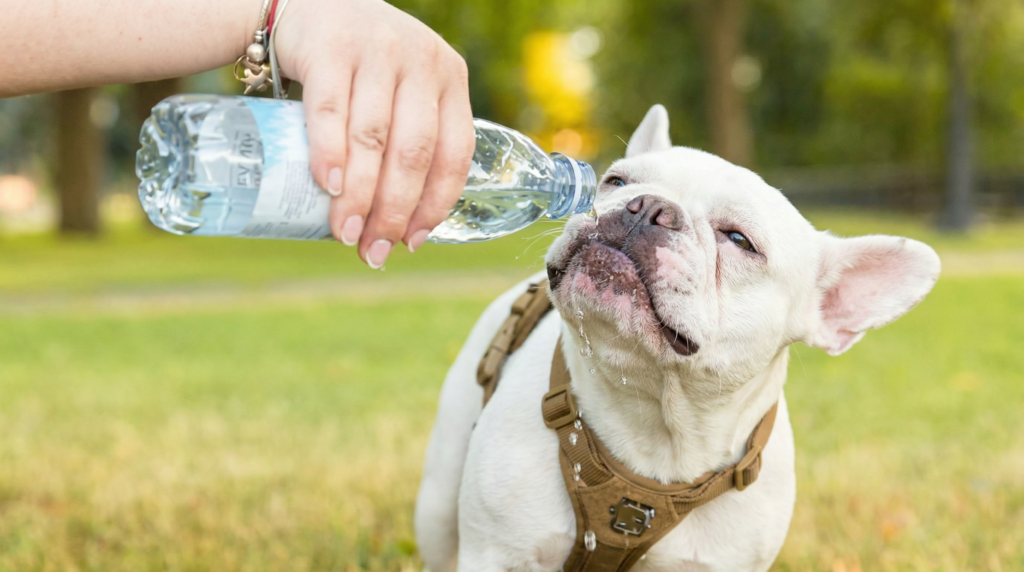
Step 2: Apply Cool Water Use cool—not ice-cold—water. Douse their body, focusing on areas with thin skin and high blood flow: the paw pads, groin, armpits, and neck. A running tap or a hose is effective. Wetting the ears can also help.
Step 3: Encourage Airflow Place your dog in front of a fan while you wet them down. The moving air helps the water evaporate and cool them faster. This mimics the sweating process they lack.
Step 4: Offer Small Sips of Water If your dog is conscious and able to swallow, offer small amounts of cool water. Do not force them to drink, and do not let them gulp massive amounts rapidly, as this can lead to vomiting or bloat.
Step 5: Call Your Vet While you are performing first aid, have someone else call the nearest emergency veterinarian. Inform them you are on the way with a French Bulldog suffering from heat stroke.
CRITICAL WARNING: Do Not Use Ice. Plunging an overheated dog into ice water can cause their blood vessels to constrict (shrink). This traps heat in the body’s core and can lead to shock, making the situation worse. Always use cool or tepid water.
Before heatstroke develops, French Bulldogs often show earlier warning signs that are easier to miss. Our new article, French Bulldog Overheating Signs: Early Warning Signs Before Heat Stroke, covers those early changes and how to respond before the situation becomes an emergency.
On hot days, water seems like the obvious way to cool a struggling Frenchie down, but it carries its own serious risks for this breed. Before you reach for the pool or the lake, read our guide to French Bulldog swimming and water safety, which covers how to cool your dog near water without putting a poor swimmer in danger.
What Happens at the Vet? (The Treatment Process)
Even if your dog seems to improve with first aid, they must be seen by a veterinarian. Heat stroke can cause delayed organ failure (kidney or liver failure) or disseminated intravascular coagulation (DIC), a bleeding disorder, 24 to 48 hours later.
At the clinic, your vet will:
- Administer IV Fluids: To rehydrate and support kidney function.
- Oxygen Therapy: To help stabilise blood oxygen levels.
- Blood Tests: To check for organ damage and clotting ability.
- Temperature Monitoring: To ensure the temperature doesn’t drop too low (hypothermia) after cooling.
French Bulldog Heat Stroke Recovery
The recovery period can be long and requires patience. Even after their temperature has stabilised, your French Bulldog is at risk for complications.
The First 48 Hours This is the most critical window. You will likely need to keep your dog at the vet for observation. If they are sent home, you must monitor them constantly for lethargy, changes in urination, or return of vomiting.
Long-Term Home Care During recovery at home, you will need to provide careful nursing care:
-
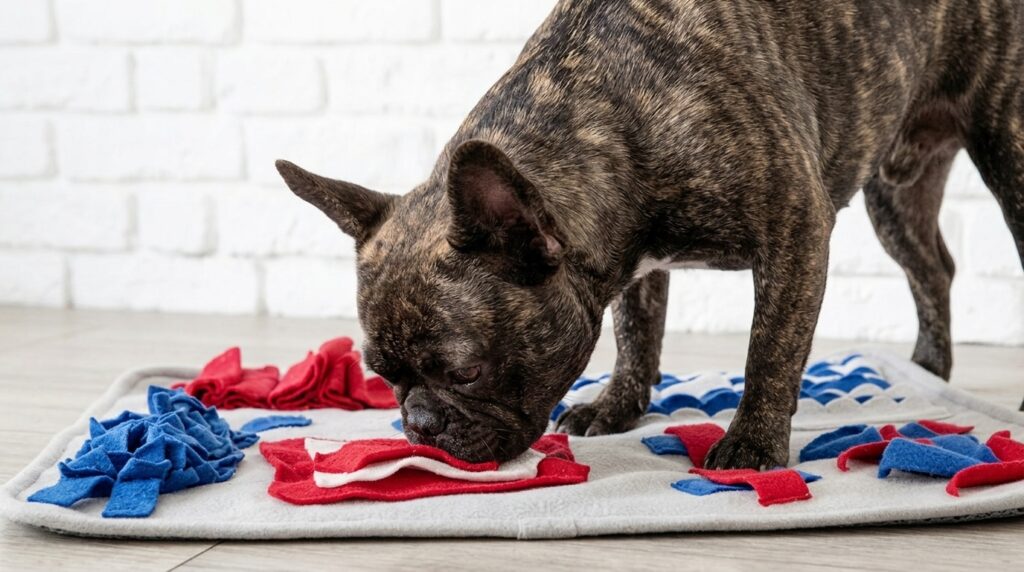
Strict Rest: Limit all activity for at least a week, or as long as your vet advises. No walks, no play. Mental stimulation like puzzle feeders is better than physical play.
-
Hydration: Ensure fresh, cool water is always available.
-
Appetite Monitoring: Poor appetite can indicate lingering nausea or organ stress.
A Recovery Success Story When “Winston”, a 4-year-old French Bulldog, collapsed after a short walk on a 78°F day, his owner feared the worst. Recognising the signs immediately wobbly gait and heavy drooling—she carried him to her air-conditioned car and applied cool water from a bottle to his groin and paw pads before rushing to the vet. Thanks to her quick action and the vet’s IV fluid therapy, Winston survived. His recovery took two weeks of strict rest, but he eventually returned to his happy self. His story proves that knowing the signs and acting fast truly saves lives.
One of the best ways to reduce heat-related risk in this breed is to understand what weather conditions are actually safe in the first place. If you want a more practical guide to everyday weather management, including when it may be too hot or too cold for a Frenchie, see our article on the best temperature for French Bulldogs.
Prevention: Essential Cooling Gear & Lifestyle Tips
Prevention is always the best medicine. With a French Bulldog, you must actively manage their exposure to heat.
Must-Have Cooling Gear
-
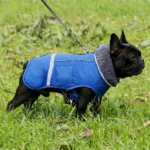
Cooling Vests: A cooling vest for dogs works by evaporation. You soak the vest in cool water, wring it out, and put it on your dog before heading out. It provides a constant cooling effect, mimicking sweat.
-
Cooling Mats: These mats are filled with a pressure-activated gel that absorbs body heat. They require no water or electricity and give your dog a cool spot to lie on indoors or in the shade.
-
Portable Water Bottles: Invest in a dog water bottle with a drinking trough. Offer water frequently on walks.
Lifestyle Adjustments
-
Walk Early or Late: Only walk your Frenchie before 8:00 AM or after the sun has set in the evening. Asphalt retains heat; if it burns your hand, it burns their paws.
-
Use a Harness: Collars put pressure on the trachea, restricting airflow further. A well-fitted harness keeps the airway completely unrestricted. See our top picks in our guide to the [Best Harnesses for French Bulldogs].
Conclusion: Vigilance Saves Lives
Heat stroke is a terrifying reality for French Bulldog owners, but it is largely preventable. By understanding their anatomical limitations, recognising the early warning signs of heat exhaustion, and acting immediately with cool water and veterinary care, you can protect your companion.
Stay vigilant, keep them cool, and cherish every safe, happy moment with your Frenchie. Their flat faces may make breathing harder, but your knowledge makes their lives easier.
One of the most effective ways to prevent heat stroke during walks is using a cooling vest. Read our full review of the Best Cooling Vests for French Bulldogs here.
FAQ?
Heat intolerance in French bulldogs rarely happens in isolation. Dogs affected by BOAS or other breathing-related problems like reverse sneezing may be at even greater risk during warm weather because they cannot cool themselves as efficiently. Preventive care can also include using a safer harness for French bulldogs during walks and, in some cases, a properly fitted cooling vest to reduce heat stress during outdoor activity.Because French Bulldogs are already vulnerable to airway compromise, it also helps to understand French Bulldog snoring and when chronic noisy breathing may reflect a deeper problem.
French Bulldog Cost in 2026: Price, Vet Bills, and the True Lifetime Cost
French Bulldog Temperament: Personality, and Are They Good Family Dogs?
Best Dog Toothpaste for French Bulldogs: A Vet-Guided Guide
Do French Bulldogs Shed? Coat, Grooming, and When to Worry
Why Your French Bulldog Chews Everything (and How to Stop It)