Written by Jinna CAMERON, veterinary medical student and dog health researcher. Reviewed for factual accuracy against trusted veterinary sources by DVM Carla DONTESK.
French Bulldogs are known for their playful and affectionate nature, but their distinctive appearance can lead to serious health challenges, particularly French Bulldog breathing issues. Due to their brachycephalic (flat-faced) structure, these dogs are highly susceptible to a condition known as Brachycephalic Obstructive Airway Syndrome (BOAS), which causes severe breathing difficulties. In fact, studies show that up to 90% of French Bulldogs are affected by this condition to varying degrees. If you’re a French Bulldog owner, understanding the early signs of breathing issues is crucial for ensuring your pet’s health and comfort.
This article will help you identify the early warning signs of French Bulldog breathing problems, explore the underlying causes of these issues, and discuss both diagnostic methods and treatment options. With early intervention, you can prevent more severe complications and improve your French Bulldog’s quality of life.
What Is BOAS and Why Are French Bulldogs Susceptible to Breathing Issues?
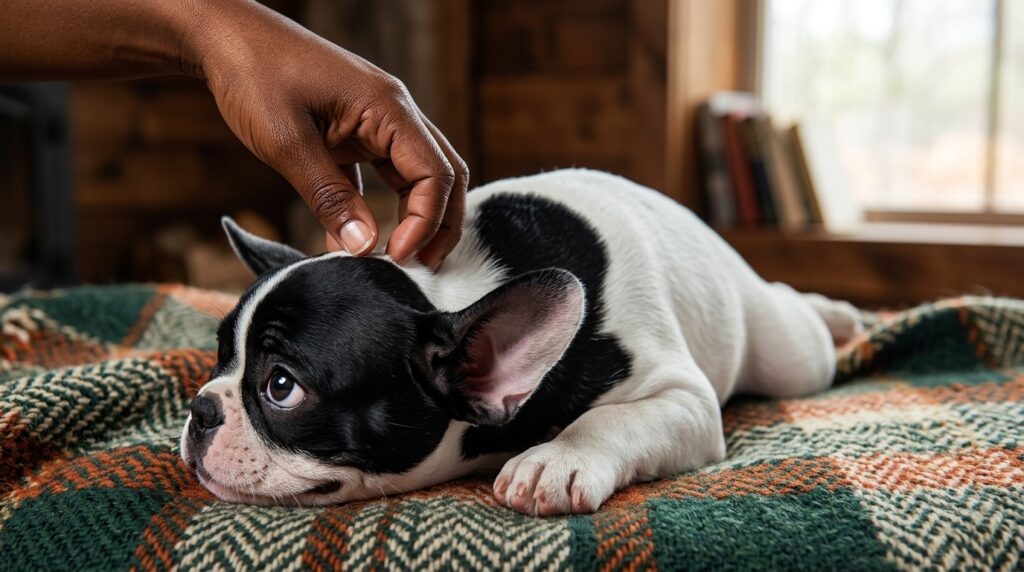
Brachycephalic Obstructive Airway Syndrome (BOAS) is a group of respiratory conditions caused by structural abnormalities in the airway. These abnormalities are common in brachycephalic breeds like the French Bulldog, whose faces have been bred to be short and flat. While this gives them their characteristic look, it also means their airways are often compressed and narrow, which leads to French Bulldog breathing issues.
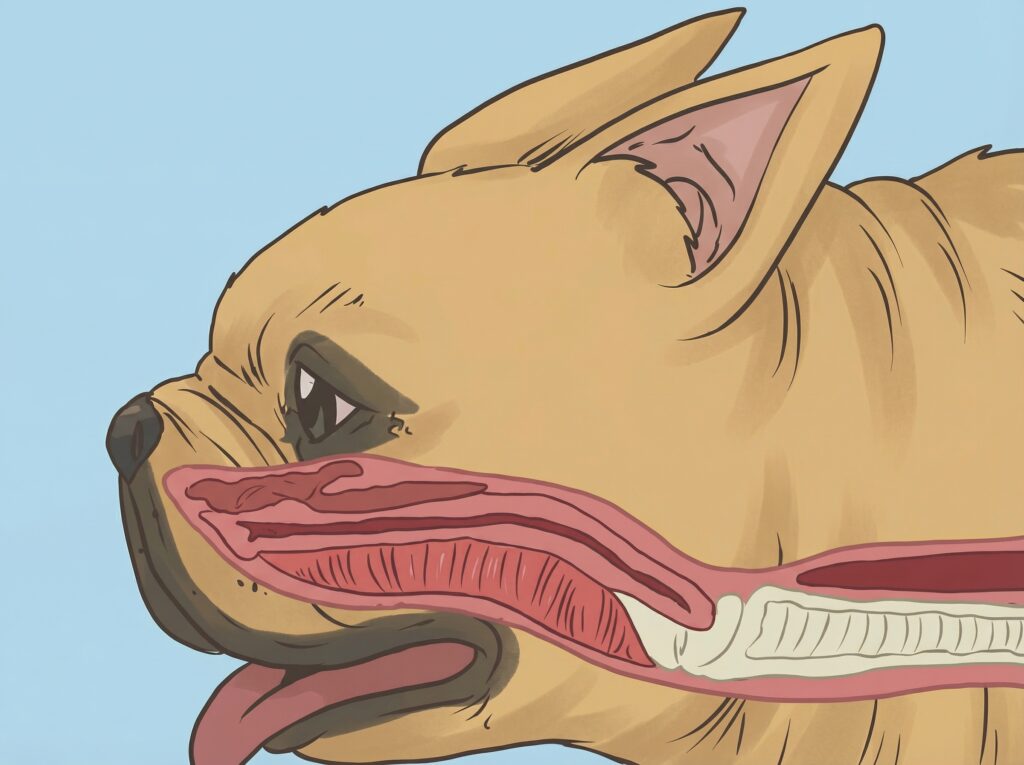
The most common anatomical issues contributing to BOAS in French Bulldogs include:
- Stenotic Nares: Narrow nostrils that limit airflow.
- Elongated Soft Palate: A longer-than-normal palate that partially blocks the airway.
- Everted Saccules: Tissue that collapses into the airway, restricting airflow even further.
- Hypoplastic Trachea: A trachea (windpipe) that is abnormally narrow, making breathing even more difficult.
These issues result in the characteristic French Bulldog breathing problems that many owners notice, including snoring, heavy panting, and difficulty during physical exertion or in hot environments. Identifying these problems early can make a significant difference in treatment options and quality of life for your dog.
Recognizing Early Warning Signs of French Bulldog Breathing Issues
Spotting French Bulldog breathing issues early is critical for preventing more severe complications, such as laryngeal collapse or heat stroke. The earlier you notice the signs, the sooner you can seek veterinary help and start treatment. Here are the key warning signs of breathing problems to watch out for:
1. Heavy or Labored Breathing
One of the most noticeable signs of French Bulldog breathing issues is labored breathing. While French Bulldogs naturally breathe heavily due to their unique anatomy, any unusual or excessive difficulty in breathing, especially when at rest or after mild physical activity, should raise concerns. This type of breathing is usually a sign that your dog’s airways are obstructed, preventing normal airflow.
2. Excessive Snoring and Stridor
Snoring is common in French Bulldogs due to their short, flat noses. However, excessive snoring or the presence of stridor (a high-pitched sound when inhaling) could be a sign that your dog’s airway is severely restricted. If the snoring seems louder than usual or is coupled with other breathing difficulties, it might be time to consult a veterinarian.
3. Panting and Mouth Breathing
Panting is normal for all dogs, but if your French Bulldog is panting excessively without any significant physical activity, it could indicate that they are struggling to breathe. Mouth breathing is also a warning sign. French Bulldogs generally breathe through their noses, so frequent mouth breathing may suggest that their nostrils are obstructed or their soft palate is blocking the airway.
4. Reverse Sneezing Episodes
French Bulldogs are known to reverse sneeze, which happens when they rapidly inhale through their nose and produce a snorting sound. While occasional reverse sneezing isn’t necessarily a problem, frequent or prolonged episodes could be indicative of an underlying issue, such as BOAS or other French Bulldog breathing issues. If these episodes are accompanied by other signs of distress, veterinary attention may be needed.
5. Exercise Intolerance
One of the first signs of breathing issues in French Bulldogs is exercise intolerance. These dogs are typically quite energetic, so if your French Bulldog tires quickly or becomes out of breath after just a short walk or play session, it may be a sign of breathing problems. Owners should be particularly mindful of this sign, especially during physical activity or warm weather.
If your Frenchie seems to slow down quickly or struggle during activity, French Bulldog exercise intolerance may be part of the picture.
6. Cyanosis (Blue Tongue or Gums)
Cyanosis is a condition where a dog’s gums or tongue turn blue, indicating a lack of oxygen in the blood. This is a serious sign of French Bulldog breathing issues and should be addressed immediately. If you notice these symptoms, you should seek emergency veterinary care right away.
Diagnosing French Bulldog Breathing Issues
If you notice any of the early warning signs of breathing problems, it’s essential to get your French Bulldog evaluated by a veterinarian. While some symptoms may seem obvious, French Bulldog breathing issues can be complex and require advanced diagnostics.
1. Clinical History and Physical Exam
The first step in diagnosing French Bulldog breathing problems is to conduct a thorough clinical history and physical examination. Your veterinarian will ask about your dog’s past medical history, any changes in their behavior or breathing patterns, and the duration of symptoms. They will also observe your dog’s breathing during rest and physical activity to assess the severity of the issue.
2. Sedated Endoscopy
A sedated endoscopy is one of the most effective ways to diagnose French Bulldog breathing issues. During this procedure, a camera is inserted into your dog’s airways to visualize any structural abnormalities, such as stenotic nares, elongated soft palate, or everted saccules. This can help the veterinarian determine the best course of treatment for your dog’s specific condition.
3. CT Scan
In some cases, a CT scan is required to get a more detailed view of your dog’s airways. This imaging tool provides a 3D image of the nasal passages, trachea, and soft tissues, helping veterinarians assess the extent of any blockages and the severity of French Bulldog breathing problems.
4. Functional Testing
Functional tests like exercise challenges or impedance plethysmography can be used to measure how well the lungs manage airflow during activity. These tests are especially useful in diagnosing BOAS and assessing how your dog’s respiratory system responds to physical exertion.
5. Blood Gas Analysis
If your French Bulldog’s symptoms are severe, blood gas analysis may be performed to assess the levels of oxygen in your dog’s blood. This test helps determine whether your dog’s body is getting enough oxygen, and whether there is any risk of hypoxia (low oxygen levels).
Treating and Managing French Bulldog Breathing Issues
Once your veterinarian has diagnosed your French Bulldog’s breathing problems, they will recommend a treatment plan based on the severity of the condition. Below are the most common treatment options for managing French Bulldog breathing issues:
1. Conservative Management
For mild cases (Grade 1 BOAS), conservative management is typically the first line of treatment. This may involve:
- Weight loss: Maintaining a healthy weight is crucial for reducing strain on the respiratory system.
- Cooling vests: These vests help regulate body temperature, which is especially important during warmer months.
- Anti-inflammatory medications: Non-steroidal anti-inflammatory drugs (NSAIDs) or steroids can help reduce airway inflammation and make breathing easier.
Conservative treatment can provide 40-60% symptom relief for mild cases, stabilizing the condition and preventing it from worsening.
2. Surgical Treatment
For more severe cases (Grade 2 or 3 BOAS), surgery is often required. Surgical procedures to correct French Bulldog breathing problems include:
- Nares Resection: Widening the nostrils to improve airflow.
- Palate Shortening: Shortening the soft palate to prevent it from obstructing the airway.
- Sacculectomy: Removing everted saccules that are blocking the air passage.
These procedures generally offer a 70-90% success rate in improving breathing and reducing symptoms.
3. Advanced Surgical Options
For extreme cases of BOAS, advanced surgeries such as laser turbinectomy and tongue reduction (for dogs with mega-tongue) may be necessary. These surgeries offer the best outcomes if done early but come with higher risks due to the anesthesia required for brachycephalic dogs.
4. Supportive Therapies
For acute distress, oxygen therapy or CPAP (Continuous Positive Airway Pressure) may be used to stabilize the dog’s breathing. While these therapies provide temporary relief, they do not offer a permanent solution for French Bulldog breathing issues.
Preventive Care and Management Tips for French Bulldog Breathing Issues
While surgical and medical treatments can help manage French Bulldog breathing issues, prevention is the key to long-term health. Here are some preventive measures you can follow to reduce the risk of breathing problems:
- Maintain a Healthy Weight: Obesity can exacerbate French Bulldog breathing problems. Keep your dog at an ideal weight to reduce stress on their respiratory system.
- Avoid Overheating: French Bulldogs are highly sensitive to heat. Avoid exercise in temperatures above 75°F (24°C) and ensure your dog has access to cool, shaded areas.
- Regular Vet Check-ups: Regular visits to the veterinarian can help catch breathing issues early before they become serious.
- Use Cooling Vests: Cooling vests can help your dog maintain a comfortable body temperature during physical activities or hot weather.
- Monitor Exercise: Keep exercise sessions short and manageable, especially in hot weather, to avoid overexertion.
FAQS About French Bulldog Breathing Issues
1. What are the early signs of French Bulldog breathing issues?
Answer:
The early signs of French Bulldog breathing issues include labored breathing, excessive panting, loud snoring, reverse sneezing, and mouth breathing. If your French Bulldog becomes easily fatigued or has trouble breathing after minimal exercise, it may be struggling with airway obstruction or another underlying issue.
2. How can I tell if my French Bulldog has trouble breathing?
Answer:
You can tell if your French Bulldog is having trouble breathing by observing their breathing patterns. Look for signs like heavy or labored breathing, excessive snoring, and mouth breathing. If they seem to tire easily or show signs of distress like reverse sneezing or cyanosis (blue gums or tongue), it’s time to consult your vet.
3. What causes breathing problems in French Bulldogs?
Answer:
Breathing problems in French Bulldogs are often caused by Brachycephalic Obstructive Airway Syndrome (BOAS), which results from anatomical abnormalities such as stenotic nares (narrow nostrils), elongated soft palates, and hypoplastic trachea (narrow windpipe). These conditions restrict airflow, making it difficult for French Bulldogs to breathe properly.
4. When should I seek veterinary care for my French Bulldog’s breathing issues?
Answer:
You should seek veterinary care if you notice significant breathing changes in your French Bulldog, such as labored breathing, mouth breathing, excessive snoring, or cyanosis (blue tongue or gums). If your dog seems to be in distress, is struggling to breathe, or experiences exercise intolerance, a vet visit is essential.
5. How can I prevent breathing problems in my French Bulldog?
Answer:
To prevent French Bulldog breathing problems, ensure your dog maintains a healthy weight to reduce strain on their respiratory system. Use cooling vests in warm weather to prevent heat stroke, and avoid overexertion during physical activity. Regular vet check-ups are also key to monitoring your dog’s health and catching any issues early.
6. Can surgery help with French Bulldog breathing issues?
Answer:
Yes, surgery can help treat French Bulldog breathing issues, especially for moderate to severe cases of BOAS. Common surgeries include nares resection, palate shortening, and sacculectomy to improve airflow. For severe cases, more advanced procedures like laser turbinectomy may be needed. Surgery can provide significant improvement, but it is important to catch the problem early for the best results.
7. Are there home remedies for French Bulldog breathing problems?
Answer:
There are no safe home remedies for treating French Bulldog breathing problems. However, some preventive measures can help manage mild symptoms. Keeping your French Bulldog at a healthy weight, using cooling vests in hot weather, and ensuring a comfortable environment can help reduce strain on their respiratory system. Always consult a veterinarian before trying any treatments.
8. How does weight affect French Bulldog breathing?
Answer:
Excess weight can worsen French Bulldog breathing problems by putting additional pressure on the respiratory system, making it harder for your dog to breathe. Keeping your French Bulldog at a healthy weight can reduce the risk of BOAS worsening and help improve overall airflow. Regular exercise and a balanced diet are essential for maintaining a healthy weight.
9. How can I help my French Bulldog breathe better at night?
Answer:
To help your French Bulldog breathe better at night, ensure they are in a cool, quiet environment free from allergens. If your dog suffers from snoring or reverse sneezing at night, consider using a humidifier to keep the air moist. Additionally, elevating your dog’s head with a dog pillow may help open the airways for easier breathing.
10. Is reverse sneezing in French Bulldogs related to breathing issues?
Answer:
Yes, reverse sneezing is often a sign of breathing problems in French Bulldogs, particularly in those with BOAS. While reverse sneezing isn’t always harmful, frequent or prolonged episodes can be a sign that your dog’s airways are obstructed. If accompanied by other symptoms like panting, snoring, or exercise intolerance, you should consult a veterinarian.
Understanding the Importance of Early Intervention for French Bulldog Breathing Issues
French Bulldog breathing issues, particularly BOAS, can worsen over time if left untreated. Early intervention is crucial for improving your dog’s quality of life and preventing more severe complications, such as laryngeal collapse or heat stroke. Veterinary studies emphasize the importance of early diagnosis and treatment, whether through conservative management or surgical interventions. According to the American Kennel Club (AKC), responsible breeding practices and regular health check-ups are vital in reducing the risk of breathing issues in French Bulldogs. For more details on BOAS and its impact on your French Bulldog’s health, you can visit the American Kennel Club’s official guide on BOAS.
Conclusion: Keeping Your French Bulldog Healthy and Safe
French Bulldog breathing issues are common but manageable if caught early. By understanding the warning signs and taking proactive measures, you can help your dog lead a healthy and happy life. If you notice any signs of breathing distress, consult your veterinarian promptly for a proper diagnosis and treatment plan. Early intervention can make all the difference in preventing more severe health problems down the line.
If you want to learn more about French Bulldog snoring and its connection to breathing issues, check out our article on [French Bulldog Snoring Causes].

French Bulldog Cost in 2026: Price, Vet Bills, and the True Lifetime Cost
French Bulldog Temperament: Personality, and Are They Good Family Dogs?

Best Dog Toothpaste for French Bulldogs: A Vet-Guided Guide
Do French Bulldogs Shed? Coat, Grooming, and When to Worry

Why Your French Bulldog Chews Everything (and How to Stop It)