A Complete Guide for Worried Frenchie Owners
Introduction: The Smell That Makes Owners Panic
If you are reading this, there is a good chance you noticed a strange, persistent smell coming from your Frenchie’s backside. Maybe you thought your dog just needed a bath, or perhaps you wondered if they rolled in something unpleasant. One of the most common shocks for new owners is realizing that distinct “corn chip” odor is actually coming from an infected tail pocket.
As both a 19-year-old veterinary medical student and the owner of Brachycephalic Dog Care, I have guided many Frenchie owners through this exact issue. That smell is often the first sign of a French Bulldog tail pocket infection. This condition also known as an infected tail pocket French Bulldog issue or simply Frenchie tail pocket infection is extremely common in screw-tailed breeds, but the good news is that most infections can be treated quickly at home if you catch them early. In this complete guide, I will show you how to tell if a tail pocket is infected, what an infected tail pocket looks like, and exactly how to treat it safely.
Understanding the Anatomy (The Myth Buster)
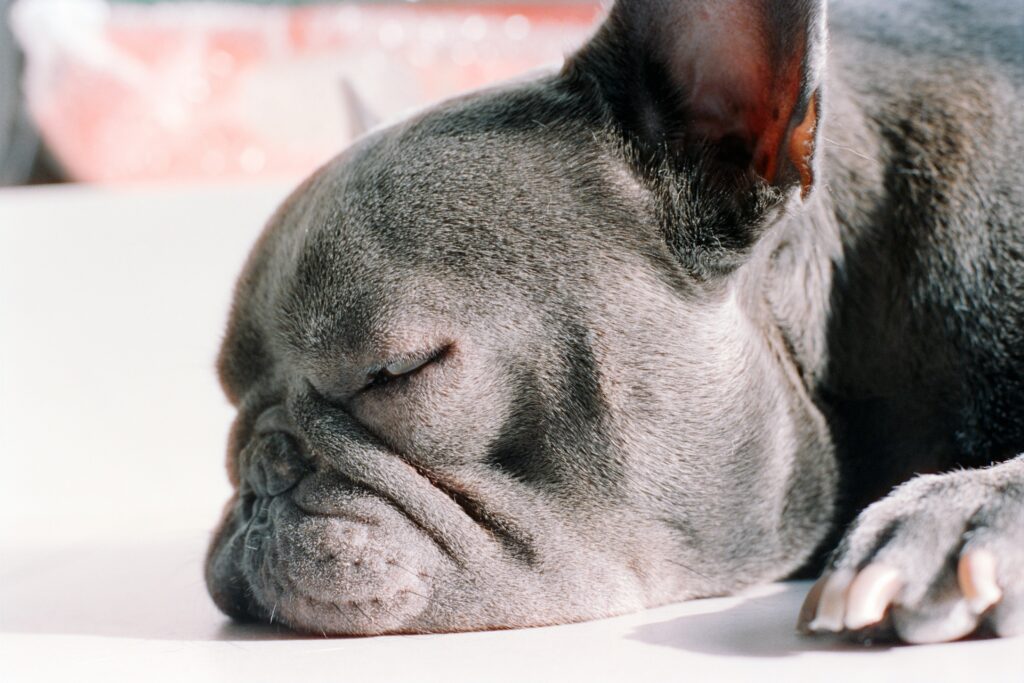
Before we talk about infections, we need to understand the anatomy that causes them. French Bulldogs have what veterinarians call a “screw tail.” Instead of a straight vertebrae structure, Frenchies have compressed and twisted caudal vertebrae that create a tight spiral. This results in a short corkscrew tail, deep skin folds around the base, and a hidden skin pocket tucked underneath the tail.
Myth: Why Do French Bulldogs Have Their Tails Docked? This is one of the most common myths online. Many people search for “Why do French bulldogs have their tails docked?” The truth is that French Bulldogs are NOT docked. Unlike some working breeds, Frenchies are born with their natural screw tails due to genetics. No surgery is involved. However, that tightly curled tail often presses directly against the body, creating the deep skin fold known as the tail pocket, and this is precisely where problems begin.
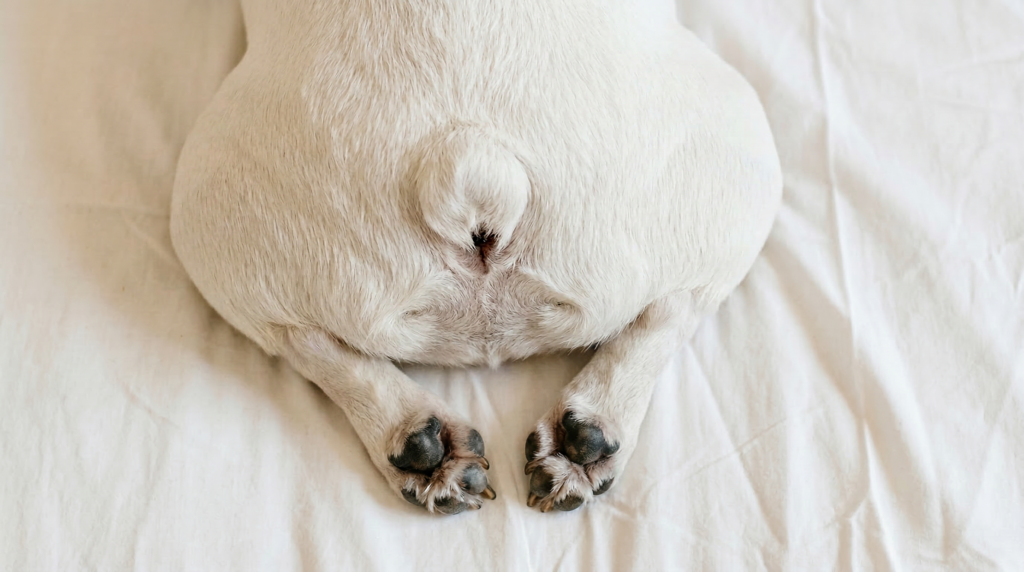
What Is a Tail Pocket? A tail pocket is a deep skin fold located underneath the tail base. It forms because the tail curls tightly into the body, trapping moisture, sweat, oils, bacteria, yeast organisms, and dead skin cells inside. Because air cannot circulate, the environment becomes warm, dark, and moist—a combination that microbes love. Over time, this can lead to dog skin fold dermatitis, yeast infection dog skin folds, or a painful bulldog tail pocket infection. Without cleaning, the pocket can become severely inflamed, and some dogs even develop abscesses.
Why Are Frenchies Prone to Yeast and Bacteria?
To truly defeat dog skin fold dermatitis, we have to understand the microscopic battle happening on your dog’s skin.
As a vet student, I find the microbiome fascinating. Your Frenchie’s skin is naturally covered in “normal flora” beneficial bacteria and yeast that live in harmony. However, the tail pocket environment disrupts this harmony.
The “Greenhouse” Effect Think of the tail pocket like a terrarium. The tight screw tail locks in heat and moisture. This creates a greenhouse effect where the temperature is slightly higher than the rest of the body.
- Bacteria Overgrowth: Bacteria like Staphylococcus pseudintermedius thrive in these warm, wet conditions. They multiply rapidly, overwhelming the immune system.
- Yeast Overgrowth: The most common yeast we see is Malassezia pachydermatis. This organism loves lipids (fats). When your Frenchie’s skin gets irritated, it produces more oil (sebum), which essentially feeds the yeast. This is why you get that distinct dog tail pocket infection smell it is the waste product of the yeast fermenting on the skin.
The Allergy Connection Many French Bulldogs suffer from environmental or food allergies (Atopy). If your dog is itchy everywhere, their skin barrier is already compromised. An allergic Frenchie has “leaky” skin barriers. Histamines cause inflammation, making the skin red and warm before an infection even starts. This makes the tail pocket a “ticking time bomb” for yeast infection dog skin folds. If your dog gets recurring infections, it might be time to look at their diet or environment, not just the tail itself.
French Bulldogs are prone to moisture-trapping skin folds in more than one area of the body. If you also need help with routine facial fold hygiene, our guide on how to clean French Bulldog wrinkles explains how to clean folds safely and reduce the risk of irritation or infection.
Signs & Symptoms: How to Tell If a Tail Pocket Is Infected
One of the most common questions owners ask is: “How to tell if a tail pocket is infected or just dirty?” A dirty tail pocket may simply contain debris and oil, but an infected tail pocket French Bulldog will show clear signs of inflammation. Here are the specific symptoms you should look for.
1. The Smell (The First Warning Sign) The dog tail pocket infection smell is usually the first clue. Owners often describe it as smelling like corn chips, rotting cheese, yeasty bread, or dirty socks. This odor comes from yeast and bacteria breaking down skin oils. If your dog’s rear smells strongly even after bathing, you need to check the tail pocket immediately.
2. Red Skin Under Dog Tail Healthy skin in this area should look pale pink, smooth, and dry. However, with infection, you will often see red skin under dog tail folds. The redness happens because blood vessels dilate, inflammation increases, and immune cells rush to the area. This is an early stage of dog skin fold dermatitis.
3. Swollen Tail Pocket Dog Another common sign is swelling around the tail base. A swollen tail pocket dog may show puffiness around the fold, thickened skin, and tenderness when touched. Some Frenchies will even snap or cry when the area is touched due to the pain.
4. Discharge From Dog Tail Pocket If the infection progresses, you may see discharge from dog tail pocket areas. This can appear as yellow fluid, white pus, brown residue, or sticky moisture. This means bacteria are actively multiplying, and the infection requires immediate cleaning and treatment.
5. Constant Licking or Scooting Dogs with a Frenchie tail pocket infection often try to relieve discomfort by licking their rear, rubbing on the floor, dragging their butt, or excessive grooming. These behaviors indicate itching or pain.
6. Hair Loss Around the Tail Base Chronic infections often cause hair thinning, patchy fur, and darkened skin due to long-term irritation and inflammation.
What Does an Infected Tail Pocket Look Like? If you are wondering “What does an infected tail pocket look like?”, the progression is usually clear. In the early stage, you might see slight redness, mild odor, and small debris. A moderate infection brings red skin, swelling, moisture buildup, and a stronger odor. A severe infection involves a swollen tail pocket, pus or discharge, raw irritated skin, and an intense smell. At this point, the dog may experience significant pain.
Water and skin folds are a bad combination, and a swim or a bath that leaves the tail pocket damp is a common trigger for the flare-ups described above. If your Frenchie spends time in water over summer, our guide to safe swimming for French Bulldogs explains the post-water drying routine that keeps folds dry and infections away.
Treatment: How to Heal a French Bulldog Tail Pocket Infection
Now let’s discuss the most important part: How to treat tail pocket infection safely. Most mild infections respond well to proper cleaning and topical treatment.
Step 1: Clean the Area Thoroughly Start by gently lifting the tail and exposing the pocket. Use medicated dog wipes, chlorhexidine wipes, or antifungal cleansing pads. These help kill bacteria and yeast on contact.
Step 2: Remove Debris Inside the fold, you may find dirt, dried skin, and oily buildup. Carefully wipe until the pocket is completely clean.
Step 3: Dry the Area Completely Moisture is the biggest enemy of healing. Use soft tissue, cotton pads, or gauze to ensure the area is bone dry. Drying the pocket is essential for recovery.
Step 4: Apply Treatment Now apply a veterinary-safe topical medication. Options include antibacterial ointments, antifungal creams, and soothing balms. This step helps reduce inflammation and kill remaining microbes.
Can I Put Neosporin on My Dog’s Tail? This is one of the most searched questions. The short answer is yes, but with caution. Neosporin can help treat minor bacterial infections; however, dogs may lick it off, some develop allergies, and it does not treat yeast infections. Use only a small amount and monitor your dog closely. For recurring infections, veterinary products are much safer and more effective.
Can I Put Hydrogen Peroxide on My Dog’s Tail? No—avoid this completely. While hydrogen peroxide may kill bacteria, it also damages healthy tissue, delays healing, and irritates sensitive skin. Veterinary dermatology guidelines strongly discourage its use. Stick with chlorhexidine or antifungal wipes instead.
What Kills Yeast in Skin Folds? Yeast is one of the most common causes of smelly dog tail pocket infections. The best treatments include chlorhexidine wipes, ketoconazole creams, miconazole sprays, and veterinary antifungal wipes. These kill the organisms responsible for yeast infection dog skin folds.
What Can I Put on My Dog’s Infected Tail? Safe options include chlorhexidine wipes, antifungal sprays, vet-approved wrinkle balm, and antibacterial ointment. Avoid alcohol, hydrogen peroxide, and harsh soaps, as these can worsen the infection.
Keeping the skin clean and dry isn’t only about the tail pocket, it’s part of overall coat and skin health for this fold-prone breed, and irritated skin anywhere tends to mean more scratching and hair loss. If you’re building a proper grooming routine, our guide to French Bulldog shedding and grooming walks through brushing, bathing frequency, and how to keep the coat and skin in good condition.
The Cleaning Routine: Prevention Is Everything
Once your dog heals, the next goal is preventing another infection. You must establish a consistent dog wrinkle cleaning routine.
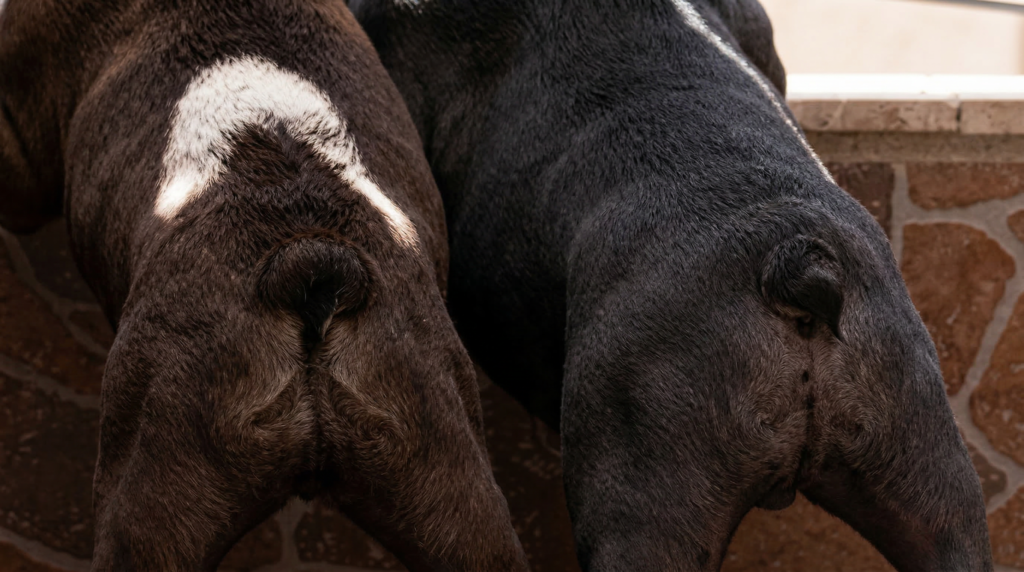
How to Clean French Bulldog Tail Pocket Follow this routine 2–3 times per week. First, gently lift the tail to expose the pocket. Clean thoroughly using chlorhexidine or antifungal wipes to remove bacteria and yeast. Look for oil buildup, lint, or dead skin, and wipe until clean. Finally, use gauze or cotton pads to dry the area completely. Remember: moisture causes infections.
How to Keep a Tail Pocket Dry Dryness is the most important preventive step. You can use absorbent powder if recommended by your vet, and always clean the area after baths or swimming. Even small moisture buildup can cause yeast infection dog skin folds.
Can I Use Baby Wipes on My Dog’s Wrinkles? Many owners ask this. Baby wipes are not ideal because they often contain fragrance, are pH balanced for human skin, and may cause irritation. Dog skin has a different pH level. Instead, always use veterinary wrinkle wipes for safety.
Can Diet Help Prevent Tail Pocket Infections?
While topical cleaning is the gold standard, what goes inside your dog matters just as much. As a veterinary researcher, I often tell clients that skin health starts in the gut.
The Sugar-Yeast Connection Yeast feeds on sugar. In dogs, carbohydrates break down into sugars. If your Frenchie is on a very high-carb kibble diet (full of corn, wheat, or white rice), it can potentially fuel yeast overgrowth throughout the body, including the tail pocket.
- Tip: Consider a diet lower in carbohydrates and higher in quality proteins.
- Probiotics: Just like humans, dogs benefit from probiotics. A healthy gut microbiome helps regulate the immune system and can reduce the inflammation that leads to swollen tail pocket dog issues.
Supplements for Skin Integrity To boost your dog’s natural defense against bulldog tail pocket infection, consider adding these to their routine:
- Omega-3 Fatty Acids (Fish Oil): This is the #1 supplement for skin. It reduces inflammation and strengthens the skin barrier, making it harder for bacteria to take hold.
- Coconut Oil (Oral): Contains lauric acid, which has natural antibacterial and antifungal properties. (Note: Use small amounts to avoid weight gain).
Environmental Factors Is your Frenchie a swimmer? Water is the enemy of the tail pocket. If your dog loves to swim or gets bathed frequently, you must be vigilant. I recommend using a blow dryer on a cool setting immediately after water exposure to ensure the pocket is bone dry. Leaving the area damp for even an hour can trigger a frenchie tail pocket infection flare-up.
cleaning demo by Dr.Kraemer
Related Hygiene: Tear Stains & Skin Folds
Interestingly, the bacteria and yeast that cause smelly dog tail pockets often appear in other areas, especially facial wrinkles, tear stains, and lip folds.
How Do Groomers Get Rid of Tear Stains? Professional groomers typically use tear stain wipes, filtered water, diet adjustments, and antibacterial cleansers. Because the underlying cause is often bacteria or yeast overgrowth, maintaining full-body hygiene prevents multiple skin fold infections.
When to See a Vet
Most mild infections improve within 3–5 days of proper cleaning. However, you should see a veterinarian if you notice severe swelling, bleeding, thick pus, extreme pain, or fever. Untreated infections can spread and cause serious complications.
One important thing to keep in mind is that repeated ear problems are sometimes part of a wider skin issue rather than a separate problem on their own. In French Bulldogs, itching, paw licking, red skin, and recurring ear infections can all happen together when French Bulldog allergies are involved. If the same pattern keeps coming back, it is worth looking at the bigger picture instead of treating each flare-up in isolation.
When Home Remedies Aren’t Enough: Medical Interventions
Sometimes, despite your best efforts to clean and treat the area, the infection keeps coming back. Chronic infected tail pocket French Bulldog cases are heartbreaking because the dog is in constant pain.
Prescription Medications If over-the-counter wipes aren’t working, your veterinarian may prescribe stronger interventions:
- Antibiotics: If there is pus or severe swelling, we often need a course of oral antibiotics (like Cephalexin) to knock out the bacterial infection from the inside out.
- Antifungals: For stubborn yeast, oral antifungals like Ketoconazole may be prescribed alongside topical creams.
- Steroid Creams: If the inflammation is severe (red skin under dog tail), a vet might prescribe a steroid cream to reduce the swelling so the air can circulate again.
Surgical Correction (Tail Amputation) This sounds scary, but for many Frenchies, it is a life-changing surgery. If the tail is tightly curled against the body (an “ingrown” tail), no amount of cleaning will ever get air to that pocket. It is surgically impossible to keep it clean. In these cases, veterinarians perform a caudectomy (tail amputation). This removes the heavy screw tail, eliminating the deep fold entirely.
- Is it cruel? Absolutely not. For a dog suffering from chronic dog tail pocket infection, removing the tail removes the source of the pain. It eliminates the “pocket,” allowing the skin to flatten and heal. It is often the only permanent cure for severe anatomy.
Recovery from Surgery If you opt for surgery, recovery usually takes 10–14 days. It requires an E-collar (cone) to prevent licking, but once healed, the infection is gone forever.
Tail pocket infections are one of several health issues French bulldog owners may need to manage throughout the dog’s life. Because Frenchies are a brachycephalic breed, many are also prone to problems such as BOAS, heat stroke, and certain eye issues that benefit from early attention. Everyday care choices matter too, from using a properly fitted harness for French bulldogs to considering a cooling vest in hot weather as part of a more complete Frenchie health routine.
Conclusion
A French Bulldog tail pocket infection can be scary when you first notice it, but with the right knowledge, it is a very manageable condition. Remember to check your dog’s tail pocket regularly, clean the fold several times a week, keep the area dry, and treat redness or smell immediately. Most importantly, never ignore a smelly dog tail pocket. It’s often your dog’s way of telling you something is wrong. If symptoms become severe or don’t improve within a few days, visit a veterinarian immediately. Your Frenchie will thank you for it.
French Bulldogs are prone to more than one type of skin-fold problem. If you also want to understand routine facial fold hygiene and how to reduce moisture, irritation, and infection risk around the face, read my guide to French Bulldog wrinkle care.
FAQ
French Bulldog Cost in 2026: Price, Vet Bills, and the True Lifetime Cost
French Bulldog Temperament: Personality, and Are They Good Family Dogs?
Best Dog Toothpaste for French Bulldogs: A Vet-Guided Guide
Do French Bulldogs Shed? Coat, Grooming, and When to Worry
Why Your French Bulldog Chews Everything (and How to Stop It)
Calming Aids for French Bulldogs: What Actually Works