Written by Jinna CAMERON, veterinary medical student and dog health researcher. Reviewed for factual accuracy against trusted veterinary sources by DVM Carla DONTESK
French Bulldog panting is common, but it should never be brushed off automatically. In many dogs, panting is a normal cooling response after exercise, excitement, or warm weather. In French Bulldogs, though, French Bulldog panting can also be an early sign of BOAS, overheating, pain, anxiety, or another medical problem.
That is why the same symptom can be harmless in one moment and concerning in another. A French Bulldog that pants for a few minutes after playing may simply be cooling off. A French Bulldog that pants heavily indoors, at night, or at rest may be showing something more important.
The goal is not to panic every time your dog pants. The goal is to understand whether the French Bulldog panting fits the situation, and whether it settles the way normal panting should. If the breathing looks labored, the gums change color, or your dog seems weak or distressed, that is not routine French Bulldog panting. That is a veterinary issue.
Why French Bulldog panting happens more often in this breed
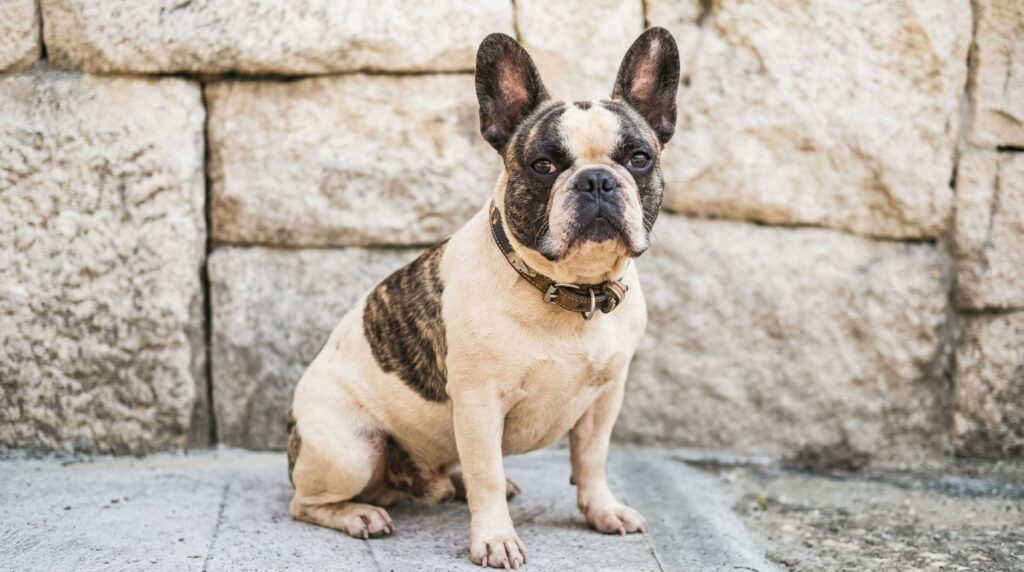
French Bulldogs are brachycephalic, which means they have a shortened skull and muzzle. That face shape is part of the breed, but it also affects airflow. Many French Bulldogs have some degree of brachycephalic obstructive airway syndrome, or BOAS. BOAS is not one single problem. It is usually a combination of airway narrowing, narrow nostrils, an elongated soft palate, and sometimes other changes that make breathing less efficient.
That matters because panting is not only a cooling response. It is the main way dogs release heat. If the airway is restricted, French Bulldog panting becomes less efficient and may sound louder, look harder, and recover more slowly than panting in longer-muzzled breeds.
For context, the MSD Veterinary Manual lists a normal resting respiratory rate for dogs of about 18–34 breaths per minute. But in a French Bulldog, the number alone is not enough. Effort, noise, comfort, and recovery time matter just as much as rate.
This is why French Bulldog panting should always be judged in context. The breed may pant more than some other dogs, but the panting still needs to make sense for the trigger and should still settle when the dog calms down.
When French Bulldog panting is normal
French Bulldog panting can be normal when it happens for an obvious reason and improves once that reason ends. Common normal triggers include exercise, excitement, warm weather, mild stress, or a short burst of activity.
For example, a French Bulldog may pant:
- after a short walk
- after playing
- when excited to see people
- after climbing stairs
- in a warm room
- after brief stimulation or arousal
In those situations, the French Bulldog panting should usually ease once the dog rests, cools down, and becomes calm. The dog should still look responsive and comfortable. The breathing should not look like a struggle.
A useful rule is this: normal French Bulldog panting should match the trigger, and it should improve when the trigger stops. If your dog panted after coming inside from a walk and then relaxed within a few minutes, that is often much less concerning than panting that continues long after the activity is over.
Normal panting also tends to look less alarming. The mouth may be open, but the dog should not appear panicked. There should not be severe noise, obvious distress, blue gums, or a strong effort to get air in and out.
Common reasons French Bulldogs pant
French Bulldog panting does not always point to disease. Sometimes it is related to ordinary life. Still, the same symptom can mean different things depending on the situation.
Excitement and arousal
Some French Bulldogs pant when they are excited. Greeting people, preparing for a walk, playing, or getting highly stimulated can all trigger short bursts of panting. This kind of French Bulldog panting is usually temporary. Once the excitement fades, the breathing should settle.
Heat and humidity
Heat is one of the most important causes of French Bulldog panting. Even a temperature that feels fine to people may be too warm for a brachycephalic dog, especially if humidity is high or there is poor airflow. French Bulldogs may start panting more heavily in warm rooms, sunny spaces, closed cars, or after being outside for only a short time.
Humidity matters because panting works less effectively when the air already contains a lot of moisture. That makes cooling harder. In French Bulldogs, heat tolerance is already reduced because the airway is less efficient to begin with.
Exercise
French Bulldogs can enjoy exercise, but many do not tolerate sustained exertion well. A brisk walk, repeated play bursts, stairs, or energetic activity may trigger noticeable panting. This is not always abnormal, but the recovery should be fairly quick. If your French Bulldog needs a long time to recover after minimal exercise, or if the panting seems excessive for the activity, that deserves attention.
When panting happens after very little exercise, French Bulldog exercise intolerance is one possible cause to keep in mind.
Stress or anxiety
Panting can also happen during stress. Some French Bulldogs pant in the car, at the veterinary clinic, during thunderstorms, or in unfamiliar environments. Anxiety-related panting is often accompanied by pacing, trembling, lip licking, or an inability to settle.
Pain or discomfort
Pain is an underappreciated cause of panting in dogs. French Bulldogs may pant if they are uncomfortable from dental disease, musculoskeletal pain, abdominal discomfort, or another painful condition. In those cases, French Bulldog panting may be one of the first signs that something is wrong. The dog may also seem restless, reluctant to lie down, or less interested in food or normal activity.
Illness
Panting can occur with fever, infection, internal disease, or metabolic stress. If the panting comes with vomiting, diarrhea, lethargy, reduced appetite, or unusual behavior, it should not be assumed to be just heat or excitement.
BOAS
BOAS is one of the biggest reasons French Bulldog panting deserves close attention. Many French Bulldogs have some degree of airway narrowing. That means panting may look more intense, sound louder, and become a problem sooner than in other breeds. BOAS does not always cause an emergency, but it can create chronic airway strain and increase the risk of overheating.
If you want a closer look at the difference between normal panting and more concerning breathing effort, read our French Bulldog Breathing Hard guide. It covers the signs that suggest your Frenchie is working harder to breathe, along with the warning signs owners should not ignore.
If you’re noticing any signs of French Bulldog breathing issues, it’s essential to act quickly. From excessive panting to trouble exercising, these symptoms may point to an underlying condition like BOAS (Brachycephalic Obstructive Airway Syndrome). For detailed guidance on recognizing early warning signs and knowing when to seek help, check out our complete guide on French Bulldog breathing issues to ensure your Frenchie gets the care they need.
French Bulldog panting and BOAS
BOAS is one of the most important conditions to keep in mind when evaluating French Bulldog panting. It can include narrowed nostrils, an elongated soft palate, airway collapse, and other changes that make breathing less efficient. A dog with BOAS may breathe noisily, snore heavily, pant more often, and struggle with heat or exercise.
Some owners assume BOAS only matters when a French Bulldog sounds dramatically abnormal, but that is not always true. Many dogs with BOAS show subtler signs first. These may include:
- more frequent French Bulldog panting than expected
- noisy breathing during rest or sleep
- loud snoring
- reduced stamina on walks
- stopping often during exercise
- reluctance to continue in warm weather
- panting that seems more intense than the situation would explain
Over time, BOAS can become more noticeable. A dog that used to tolerate activity better may gradually start panting sooner or recovering more slowly. That change matters. Progressive worsening is one reason early veterinary assessment is important.
BOAS also affects daily safety. A French Bulldog that is mildly stressed, a little overweight, or slightly warm can breathe poorly faster than expected. That is why it is risky to dismiss repeated French Bulldog panting as “just normal for the breed,” especially if the pattern is becoming more frequent, more intense, or more obvious at rest.
French Bulldog panting and overheating
French Bulldogs are at higher risk of overheating than many other dogs. This is important because overheating can escalate into heatstroke. Panting is the dog’s main cooling tool, but in a French Bulldog the system is less efficient. That means a situation that seems manageable in another breed can become unsafe sooner here.
Early signs of overheating can include heavy panting, restlessness, a desire to lie on cool surfaces, drooling, slower movement, and reluctance to keep walking. As the problem worsens, the dog may seem dull, weak, unsteady, or disoriented. The gums may become bright red before progressing to pale or blue in severe cases. Vomiting, collapse, and confusion are emergency signs.
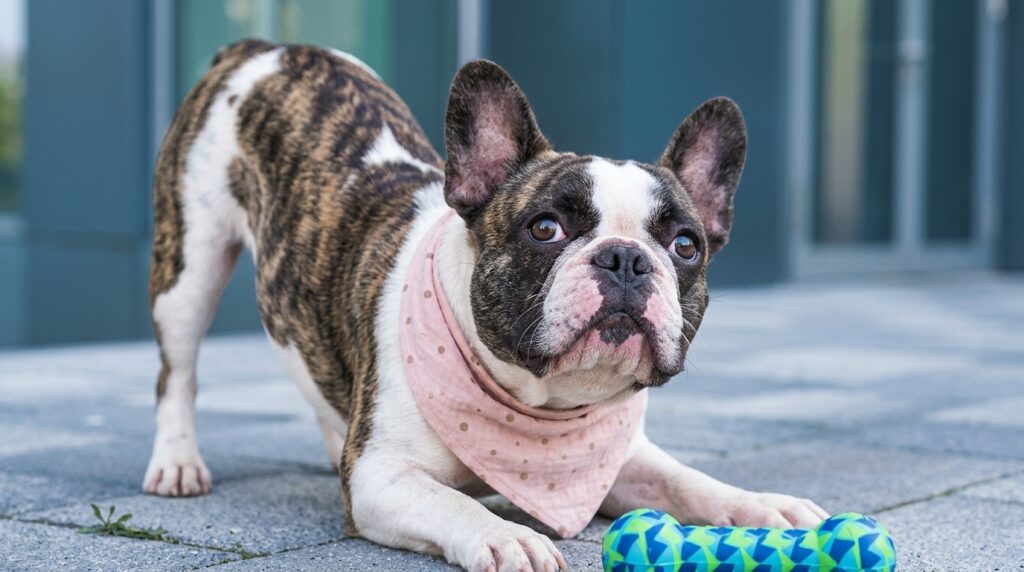
Heat risk is not limited to hot summer days. Warm indoor rooms, closed cars, sunny patios, humid conditions, and even moderate exercise on a mild day can create a problem in a French Bulldog. The combination of heat, humidity, exertion, and airway anatomy is what makes this breed vulnerable.
If your French Bulldog begins panting heavily in warm weather, the safest response is immediate attention to the environment. Move the dog to a cooler place, reduce activity, and watch closely. If the panting is very intense or the dog shows weakness, vomiting, collapse, or abnormal gum color, that is an emergency and should not be managed casually at home.
French Bulldog panting at rest or at night
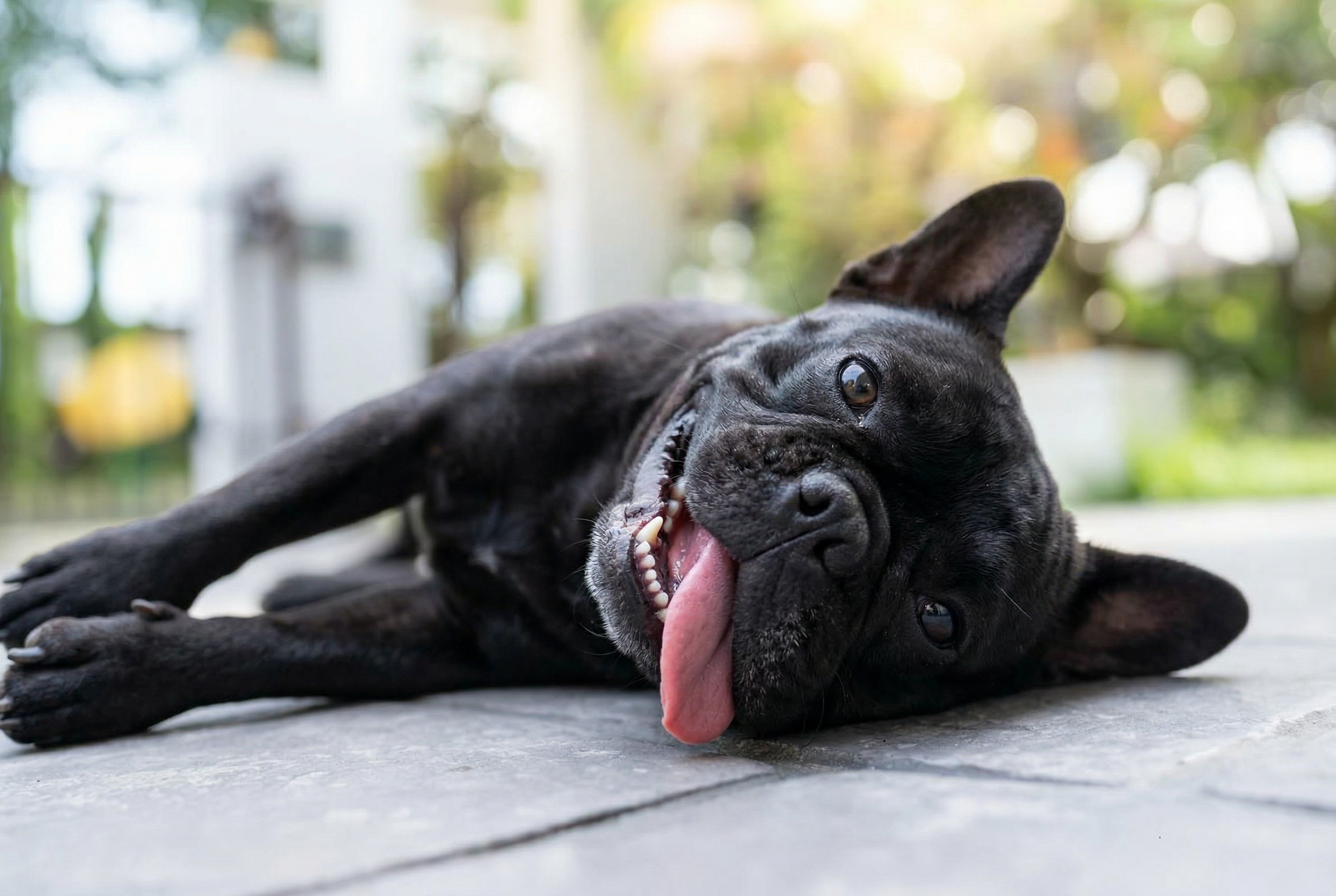
Panting at rest is more concerning than panting after a clear trigger. If a French Bulldog is calmly lying down in a cool room and still panting heavily, something deserves attention. The cause may be pain, anxiety, BOAS, heat, or illness, but it should not be assumed to be normal simply because the dog is a French Bulldog.
French Bulldog panting at night is also worth paying attention to. Some dogs pant at night because the room is too warm, because they are uncomfortable, or because breathing becomes harder in certain positions. Others may pant at night because of stress, pain, or an underlying medical issue. If it happens repeatedly, it should be discussed with a veterinarian rather than dismissed.
The pattern matters. If the dog pants briefly after getting up, moving around, or getting excited, that is different from a dog that cannot settle and keeps panting while trying to rest. A French Bulldog that changes position repeatedly, breathes noisily while lying down, or seems unable to get comfortable may be giving an early warning sign.
Panting at rest is one of the clearest times to step back and ask whether the dog truly looks comfortable. If the answer is no, that deserves a veterinary conversation.
What concerning French Bulldog panting looks like
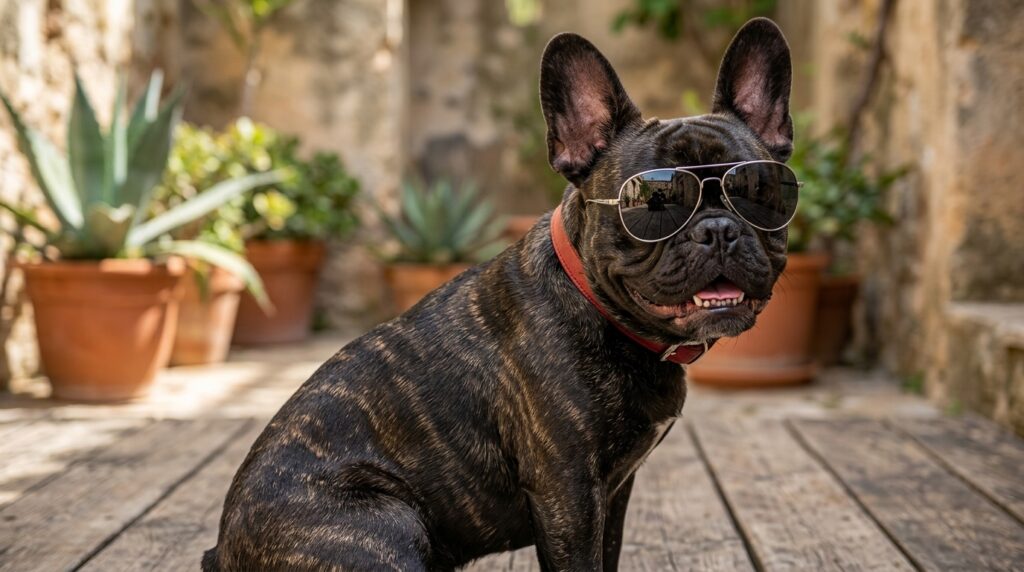
Not all panting is equal. Concerning French Bulldog panting often looks and sounds different from normal panting.
Watch for:
- panting that does not settle after a few minutes of rest
- French Bulldog panting that seems out of proportion to the activity
- panting in a cool environment
- loud, noisy, or harsh breathing
- chest and abdominal effort with each breath
- flared nostrils
- standing or sitting because lying down seems uncomfortable
- repeated swallowing, gagging, or drooling
- weakness, wobbliness, or collapse
- abnormal gum color
A dog can still respond to you and yet be in trouble. Some dogs continue to look alert while breathing poorly, which can give a false sense of reassurance. What matters most is the breathing pattern itself and whether it improves.
A particularly important sign is when the panting becomes labored rather than just fast. Labored breathing looks like effort. The dog may brace itself, keep its elbows away from the body, or breathe with obvious strain. When French Bulldog panting reaches that point, it should not be treated as routine.
When panting starts to look more intense in warm weather or after activity, it may be more than just normal French Bulldog panting. Our new article, French Bulldog Heat Exhaustion: Early Signs, Causes, and What to Do, covers the warning signs, safe cooling steps, and when to worry about heat-related illness.
What you can safely do at home
If your French Bulldog is panting lightly and otherwise seems normal, there are a few safe steps you can take.
Move the dog to a cool, quiet area. Reduce stimulation. Turn on a fan if needed. Offer small amounts of water if the dog is alert and not vomiting. Let the dog rest without pressure. Do not force exercise, and do not continue a walk if the dog is getting more uncomfortable.
If the dog may be too warm, cooling should begin right away. Use cool air, shade, and a comfortable environment. The goal is to help the dog calm down without causing stress or using extreme measures. You do not need to panic, but you do need to respond promptly.
If the French Bulldog panting settles within a few minutes and the breathing returns closer to baseline, that is reassuring. If it does not settle, if it worsens, or if there are any red-flag signs, veterinary help is the next step.
A practical habit is to learn what “normal” looks like for your own dog. Some French Bulldogs are naturally a bit noisier or more excitable than others. But changes from your dog’s usual pattern matter more than comparisons to another dog online.
What not to do
When a French Bulldog is panting heavily, it is important not to overreact in a way that could make things worse, but it is equally important not to dismiss the symptom.
Do not give human medications. Do not assume a sedative or painkiller is safe. Do not force the dog to keep walking in order to “work it off.” Do not ignore repeated episodes because the dog seems okay afterward. And do not rely on home treatments alone if heatstroke is possible.
Cold-water immersion, ice baths, or aggressive cooling without veterinary guidance can be risky if used incorrectly. Cooling needs to be sensible and prompt, not extreme. If your dog may have heatstroke, start basic cooling and get veterinary help quickly.
The biggest mistake is delay. When breathing is compromised, waiting for obvious collapse is too late.
How to reduce French Bulldog panting risk
You cannot remove the breed’s anatomy, but you can reduce the chance that French Bulldog panting becomes a problem.
Keep your French Bulldog at a healthy weight. Extra weight makes breathing and overheating harder. Use a harness instead of a neck collar for routine walking. Schedule exercise during cooler parts of the day. Keep activity brief and controlled in warm or humid weather. Watch for early signs that your dog is slowing down or panting more than usual.
Pay attention to the home environment too. Fans, airflow, and cooler sleeping areas can make a real difference. During warmer months, avoid situations where your dog is trapped in heat, including parked cars, direct sun, or poorly ventilated rooms.
If your dog has chronic noisy breathing, worsening stamina, or frequent French Bulldog panting episodes, a veterinary assessment is a good idea even if there is no emergency at that moment. Early recognition of BOAS can help owners make better decisions about exercise, weight, heat exposure, and treatment planning.
It also helps to think realistically about what your dog can tolerate. A French Bulldog is not built for long, strenuous exercise in warm weather. Short walks, rest breaks, and close observation are usually safer than pushing for endurance.
When to contact a veterinarian
Contact your veterinarian if your French Bulldog:
- pants repeatedly at rest
- has French Bulldog panting at night without an obvious reason
- pants heavily after minor activity
- has noisy breathing that is getting worse
- seems less tolerant of walks or play
- has recurrent gagging, coughing, or swallowing
- appears painful, restless, or uncomfortable
- has gained weight and is breathing worse
- has episodes that worry you even if they resolve
Seek urgent or emergency veterinary help if panting is accompanied by:
- blue, pale, or gray gums
- collapse
- severe weakness
- vomiting with overheating
- confusion or disorientation
- inability to settle
- very labored breathing
- suspected heatstroke
When in doubt, it is better to ask sooner rather than later. French Bulldogs can decline quickly when breathing or cooling is compromised.
FAQ
Conclusion
French Bulldog panting is not automatically a problem, but it is never a symptom to ignore without thinking. In this breed, panting can be a normal response to heat, excitement, or exercise. It can also be an early clue that your dog is struggling with BOAS, overheating, pain, stress, or illness.
The most useful question is not whether your French Bulldog pants. It is whether the panting makes sense, whether it settles, and whether the dog looks comfortable. Brief panting after activity is often normal. Persistent panting, French Bulldog panting at rest, panting in a cool room, or panting with effort or abnormal gum color needs more attention.
French Bulldogs do best when owners are alert, calm, and realistic about the breed’s breathing limits. Watching for changes early, protecting against heat, keeping your dog lean, and seeking veterinary advice when needed can make a real difference.
If your French Bulldog’s panting seems unusual, labored, or persistent, trust that instinct and take it seriously.
French Bulldog Cost in 2026: Price, Vet Bills, and the True Lifetime Cost
French Bulldog Temperament: Personality, and Are They Good Family Dogs?
Best Dog Toothpaste for French Bulldogs: A Vet-Guided Guide
Do French Bulldogs Shed? Coat, Grooming, and When to Worry
Why Your French Bulldog Chews Everything (and How to Stop It)