French bulldog eye issues are one of the most important breed-specific health topics owners should understand. Frenchies are lovable, expressive, and easy to recognize because of their flat faces and large, prominent eyes, but those same features help explain why French bulldog eye issues are so common. Their eyes are more exposed, their eyelids may not protect the cornea as effectively as in longer-nosed breeds, and even small irritations can become serious problems if they are missed early.
As a veterinary student who spends a lot of time reading about brachycephalic breeds, I’ve learned that French bulldog eye issues are rarely just cosmetic. A little redness, squinting, or discharge can be the first sign of a painful ulcer, chronic dryness, or an eyelid problem that has been irritating the eye for weeks. The goal of this article is to help owners understand the most common causes, recognize warning signs, know when a problem is urgent, and make smarter everyday care choices.
This guide is written for dog owners, so I’ll keep the language clear and practical. At the same time, I’ll stay medically cautious, because French bulldog eye issues deserve proper veterinary attention rather than guesswork at home.
Educational disclaimer: This article is for educational purposes only and does not replace diagnosis, treatment, or medical advice from a licensed veterinarian. If your French bulldog has a new eye change, pain, swelling, discharge, or squinting, contact your vet as soon as possible.
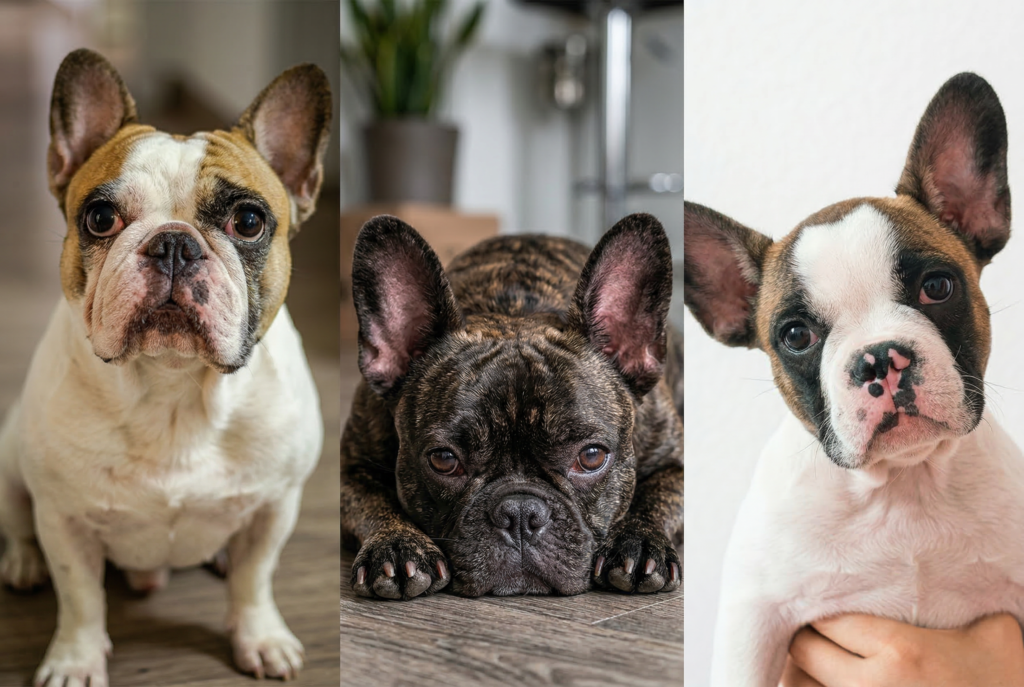
Why French bulldog eye issues are so common
To understand French bulldog eye issues, you first have to understand Frenchie anatomy. French bulldogs are a brachycephalic breed, which means they have a shortened skull and flatter face. That look is part of their charm, but it also creates a number of structural eye-health problems.
One major factor is shallow eye sockets. In many Frenchies, the eyes sit a bit more forward than they do in longer-muzzled dogs. That makes the eye surface more exposed to the environment and more vulnerable to trauma. A scratch from a branch, rough play with another dog, or even constant rubbing from nearby hairs can become a much bigger deal in this breed.
Another reason French bulldog eye issues are common is that many Frenchies have a large eyelid opening. In simple terms, too much of the cornea stays exposed. That means more wind, dust, dryness, and irritation. Some French bulldogs also have incomplete blinking or do not fully close their eyes during sleep. When that happens, the tear film does not spread properly across the cornea, which increases the risk of drying, inflammation, and damage.
Facial shape can also affect the eyelids and surrounding skin. Some dogs develop entropion, trichiasis, or other eyelid problems that cause hair or skin to rub directly against the eye. When this happens repeatedly, it can lead to chronic irritation and even ulcers.
Veterinary specialists often use the term brachycephalic ocular syndrome to describe the cluster of eye conditions seen in flat-faced breeds. This is useful because French bulldog eye issues are not usually isolated. A Frenchie may have dry eye, eyelid irritation, pigment on the cornea, and a history of ulcers all at once. The anatomy creates the setup, and then multiple conditions can follow.
Common French bulldog eye issues owners should know
The most important French bulldog eye issues tend to fall into a few major categories. Some are more common than others, but all of them deserve attention because eye problems can worsen quickly in this breed.
Cherry eye in French bulldogs
Cherry eye is one of the better-known French bulldog eye issues. It happens when the gland of the third eyelid slips out of place and becomes visible as a pink or red lump in the inner corner of the eye.
This gland matters because it helps produce tears. That means cherry eye is not just a cosmetic issue. If the gland becomes damaged or removed, the dog may face a higher risk of dry eye later in life.
Owners often notice:
- a pink or red round swelling in the inner corner
- mild irritation or blinking
- a sudden visible change in the eye area
Modern veterinary treatment usually aims to preserve and reposition the gland rather than remove it. This is one reason French bulldog eye issues should be treated carefully and not with home fixes.
Dry eye in French bulldogs
Dry eye, also called keratoconjunctivitis sicca, is another major item on the list of French bulldog eye issues. It happens when the eye does not produce enough normal tears or when the tear film is poor and unstable.
Signs may include:
- thick, sticky discharge
- red eyes
- squinting
- a dull-looking eye surface
- frequent blinking
- chronic irritation
Dry eye matters because tears do much more than make the eye look wet. They protect the cornea, nourish tissues, and help wash away debris. Without enough tears, the surface of the eye becomes inflamed and more vulnerable to infection, pigmentation, and ulceration.
Some French bulldog eye issues begin with subtle dryness and then become more serious over time. Dry eye is often diagnosed using a Schirmer tear test, and treatment may involve long-term medication and artificial tears.
Corneal ulcers in French bulldogs
Corneal ulcers are among the most painful and urgent French bulldog eye issues. A corneal ulcer is an erosion or open sore on the surface of the cornea. In some dogs it starts as a small scratch, but in brachycephalic breeds it can become much worse very quickly.
French bulldogs are at higher risk because of:
- exposed eyes
- incomplete blinking
- dry eye
- hairs or eyelid tissue rubbing on the cornea
- accidental trauma during play or walks
Common signs include:
- one eye partly or fully closed
- sudden squinting
- excessive tearing
- rubbing at the face
- cloudiness or a white spot on the eye
- obvious pain
Out of all French bulldog eye issues, corneal ulcers are one of the clearest reasons not to delay veterinary care.
French Bulldogs are prone to several eye-related problems, and watery eyes are one of the most common early signs owners notice. If your dog’s eyes are tearing more than usual, it helps to understand the difference between mild irritation and a problem that may need a vet exam. For a deeper look at the most common reasons this happens, see French Bulldog Watery Eyes.
Eyelid and eyelash abnormalities
Several structural conditions can lead to recurring French bulldog eye issues, especially when the eyelids or hairs irritate the cornea all day.
Examples include:
- entropion – eyelid rolling inward
- trichiasis – normal hairs rubbing on the cornea
- distichiasis – abnormal eyelashes growing where they should not
- macroblepharon – overly large eyelid opening
A dog with these conditions may have chronic redness, tearing, blinking, or repeated ulcers. Sometimes medical management helps, but some cases require surgery to correct the underlying problem.
Pigmentary and scarring changes
Chronic irritation can cause long-term surface damage. Some French bulldog eye issues do not begin with a sudden dramatic event but instead build slowly over time. Owners may notice:
- brown or black pigment spreading over the eye
- blood vessels creeping onto the cornea
- a cloudy or white scar
- the eye losing its normal clear, glossy look
These changes often suggest the cornea has been inflamed or under-protected for a while. That makes early recognition especially important.
Warning signs linked to French bulldog eye issues
Many owners first notice French bulldog eye issues because something simply looks “off.” That instinct is worth paying attention to. A Frenchie’s eyes should normally look clear, comfortable, and open.
Warning signs include:
- redness
- squinting
- excessive blinking
- rubbing or pawing
- watery eyes
- thick mucus or discharge
- cloudiness
- swelling around the eye
- a visible lump or mass
- one eye looking different from the other
Some of these signs seem minor, but in this breed, even mild changes can mean real discomfort. A dog that keeps one eye partly closed is often telling you the eye hurts. A dog that rubs their face on carpet or furniture may be trying to relieve irritation. With French bulldog eye issues, pain is not always dramatic, so subtle behavior matters.
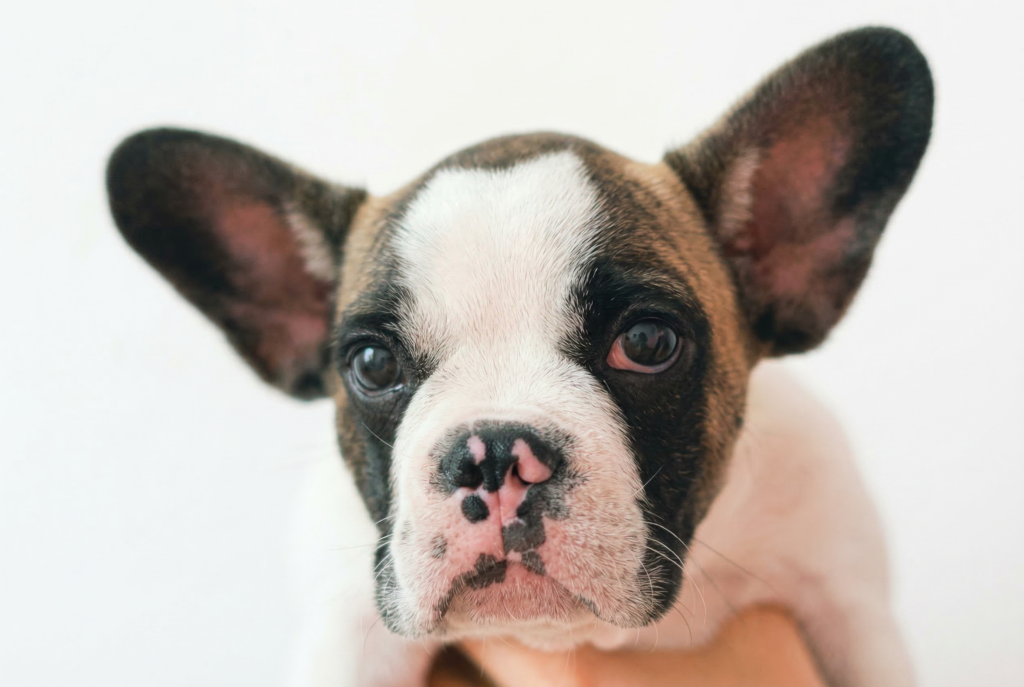
When French bulldog eye issues are urgent
Some French bulldog eye issues should be treated as same-day veterinary problems. The eye is delicate, and serious conditions can worsen fast.
Seek urgent care if your Frenchie has:
- one eye shut or mostly shut
- severe squinting
- sudden cloudiness
- a visible white, gray, or blue spot on the cornea
- thick yellow or green discharge
- sudden swelling
- bleeding in or around the eye
- a bulging eye
- obvious pain
- a rapidly worsening cherry eye
The reason to act quickly is simple: French bulldog eye issues can move from irritation to corneal damage surprisingly fast. Waiting overnight may not seem like much, but with some conditions it can make a big difference.
What owners should not do at home
One of the biggest problems with French bulldog eye issues is that owners sometimes try to treat them before a diagnosis is made. That is understandable, but it can be risky.
Do not:
- use human eye drops unless your vet says they are safe
- use leftover dog eye medications from an old problem
- try to push cherry eye back in yourself
- assume redness is “just allergies”
- let your dog keep rubbing the eye
- wait too long because the eye “doesn’t look that bad”
Some drops, especially steroid-containing products, can be harmful if a corneal ulcer is present. That is why vets usually stain the cornea before choosing treatment. With French bulldog eye issues, the wrong product can make things worse.
How vets diagnose French bulldog eye issues
A proper exam is important because several French bulldog eye issues can look similar at home. Redness, discharge, and squinting can happen with ulcers, dry eye, eyelid problems, trauma, and more.
A veterinarian may use:
A full eye exam
This includes checking the eyelids, lashes, third eyelid, discharge, cornea, and overall eye structure.
Fluorescein stain
This dye sticks to damaged corneal tissue and is used to detect ulcers or scratches.
Schirmer tear test
This measures tear production and helps diagnose dry eye.
Eye pressure testing
If glaucoma or internal eye disease is suspected, measuring pressure may be necessary.
Referral to a veterinary ophthalmologist
Some French bulldog eye issues are best handled by a specialist, especially severe ulcers, surgical problems, chronic dry eye, or repeated eye injuries.
Because Frenchies are prone to overlapping problems, a good eye exam is often the difference between treating the right problem early and treating the wrong one too late.
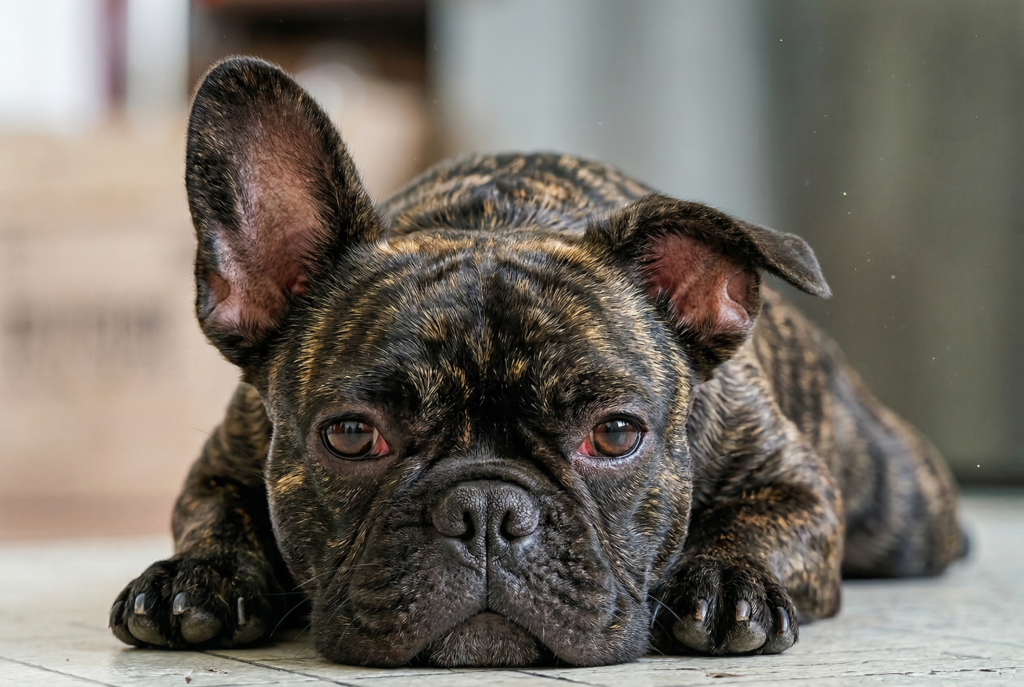
How to protect your Frenchie’s eyes in daily life
You cannot eliminate all French bulldog eye issues, but you can lower risk and catch problems sooner.
Check the eyes daily
A quick once-over can help you spot:
- redness
- discharge
- squinting
- new swelling
- changes in clarity
- new lumps
This simple habit can make a huge difference with French bulldog eye issues, because early intervention is often easier and less stressful.
Reduce the chance of trauma
Try to avoid eye injuries by:
- being cautious around thorny plants and stiff grass
- choosing toys without sharp edges
- supervising rough face-to-face play
- avoiding situations where the eyes may get scratched
Keep folds and nearby hair clean
Facial folds can collect moisture and debris. Gentle cleaning around the face may help reduce irritation. Just remember not to rub directly on the eye unless your vet has told you how to do so safely.
Stay consistent with vet care
Routine checks matter. Some French bulldog eye issues build slowly, and regular exams can catch subtle changes before they become painful.
Follow treatment plans exactly
If your dog has dry eye, an ulcer history, or an eyelid problem, consistency matters. Skipping medication can allow inflammation and damage to return.
Use supportive gear if your vet recommends it
A soft inflatable recovery collar or soft recovery cone can be very helpful if your dog keeps rubbing the eye or needs protection after treatment. This is not a treatment for French bulldog eye issues, but it can be a useful supportive tool.
If you want one subtle affiliate opportunity, this is the best place for it. A comfortable inflatable recovery collar from Amazon can fit naturally here, especially if you explain that it may help prevent rubbing while waiting for a vet visit or during recovery, as long as it is used according to veterinary advice.
Looking at Frenchie health more broadly
When owners start learning about French bulldog eye issues, they often realize how connected many breed problems are. French bulldogs are not just prone to eye disease. They are also vulnerable to BOAS, heat stroke, and skin concerns such as tail pocket infections.tear production problems like dry eye.and also what eye discharge in French Bulldogs can mean
Daily care matters across all of these areas. A well-fitted harness may reduce unnecessary neck pressure during walks. A cooling vest may help some Frenchies handle hot weather more safely. Good skin-fold hygiene can prevent discomfort in other parts of the body. And regular observation helps owners notice problems early, whether they involve breathing, overheating, skin, or French bulldog eye issues.
Taking this bigger-picture approach helps you care for the whole dog, not just one symptom at a time.
Frequently asked questions about French bulldog eye issues
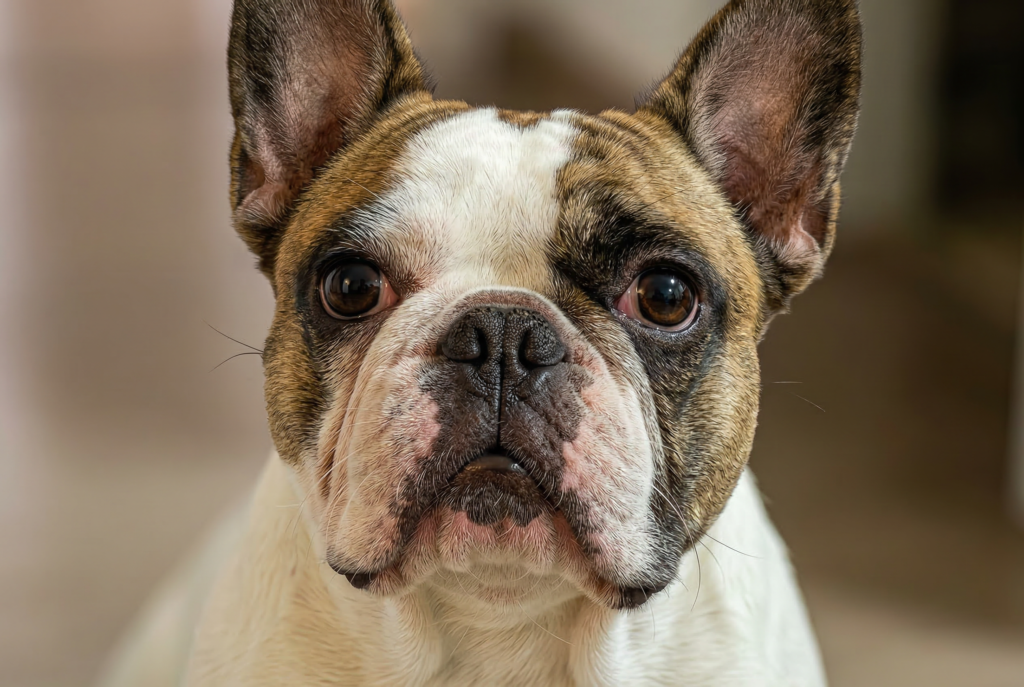
Final thoughts on French bulldog eye issues
French bulldog eye issues are common, but they should never be dismissed as “just part of the breed.” The same features that give Frenchies their adorable expression also make their eyes more exposed, more fragile, and more vulnerable to pain and injury.
The best thing owners can do is stay observant. If your Frenchie develops redness, squinting, rubbing, discharge, cloudiness, or a new lump, take it seriously. Many French bulldog eye issues can be managed well when caught early, but delays can lead to more pain, more treatment, and in some cases long-term damage.
As a veterinary student, one of the biggest lessons I keep seeing in brachycephalic care is that early attention matters. You do not need to diagnose the problem yourself. You just need to notice that something has changed and act quickly.
Final disclaimer: This article is for educational purposes only and is not a substitute for professional veterinary diagnosis, or treatment. If your dog shows signs of eye discomfort or any unusual eye change, contact your veterinarian or a veterinary ophthalmologist promptly.
French Bulldog Cost in 2026: Price, Vet Bills, and the True Lifetime Cost
French Bulldog Temperament: Personality, and Are They Good Family Dogs?

Best Dog Toothpaste for French Bulldogs: A Vet-Guided Guide
Do French Bulldogs Shed? Coat, Grooming, and When to Worry

Why Your French Bulldog Chews Everything (and How to Stop It)