French Bulldogs are famous for their oversized bat ears and charming personalities, but finding the best harness for French Bulldog breeds is crucial for their safety. Because of their flat faces and compact, muscular bodies, everyday items like collars can heavily impact their health.
This comprehensive guide breaks down everything you need to know about walking and caring for your Frenchie. We will explore the best harness options, tackle stubborn leash pulling, and address the specific health concerns that every French Bulldog owner must understand. By the end of this post, you will know exactly how to keep your furry best friend safe, comfortable, and thriving.
Which Harness is Best for French Bulldogs?
Shopping for a French Bulldog requires you to ignore standard dog gear advice. Their broad chests and thick necks make finding the perfect fit a bit of a puzzle.
Collar vs. Harness: The Clear Winner
When it comes to walking a French Bulldog, a harness is always the better choice. Frenchies are brachycephalic, meaning they have shortened snouts and compacted airways. Attaching a leash to a traditional neck collar puts direct pressure on their fragile windpipes. This pressure can restrict their breathing, cause severe discomfort, and lead to permanent tracheal collapse.
A well-fitted harness moves this pressure away from the neck and distributes it across the stronger muscles of the chest and back. You should never use a standard collar to walk a brachycephalic breed. Collars should remain strictly for holding identification tags.
Exploring Different Types of Harnesses
You will find several harness styles on the market, but not all of them suit the Frenchie physique. Step-in harnesses are popular and easy to put on, but they often sit too low on the chest, which can restrict shoulder movement. Over-the-head harnesses provide a more secure fit, though some Frenchies dislike having things pulled over their large heads.
Vest or wrap-style harnesses offer excellent comfort and distribute pressure evenly. Look for vests made from breathable mesh or soft neoprene. These materials prevent chafing in their armpits and help keep the dog cool during warm-weather walks.
Why Y-Shaped Harnesses Are Ideal
If you want the absolute best option for your French Bulldog, look for a Y-shaped harness. When you look at the harness from the front of the dog, the straps should form the letter “Y” across their chest. This design is highly recommended by veterinarians and canine physical therapists.
The Y-shape ensures that the fabric sits on the breastbone rather than riding up into the soft tissue of the lower neck. It also leaves the shoulder joints completely free to move. This full range of motion prevents long-term joint damage and makes walking far more comfortable for your dog.
Choosing the best harness for French Bulldog breeds can transform every walk, supporting their unique build and sensitive health needs.
Choosing the right harness can transform every walk with your Frenchie, supporting their unique build and sensitive health needs. Here are five top harness picks, all thoroughly vetted for fit, comfort, and safety:
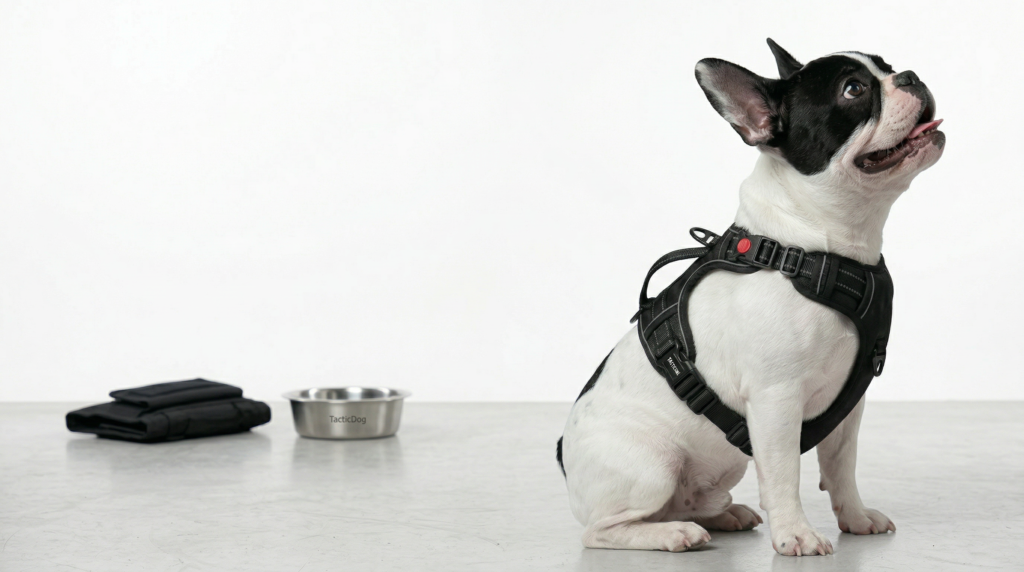
1. Rabbitgoo Dog Harness No-Pull
This harness is designed with a true Y-shaped front that sits perfectly on a French Bulldog’s broad chest. Its padded, breathable mesh prevents overheating and chafing—even during warmer months. The adjustable belly and chest straps create a custom fit for those barrel-shaped bodies.
- Best For: All-around comfort for daily walks
- Key Feature: Soft, ventilated mesh for sensitive skin
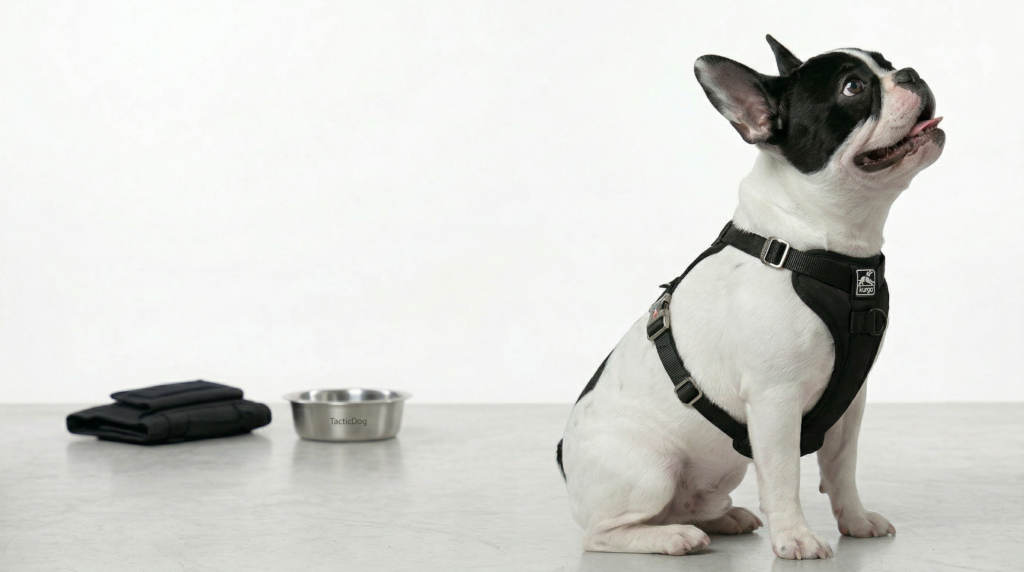
2. Kurgo Tru-Fit Smart Dog Harness
Featuring a front no-pull clip, this harness redirects energy and discourages strong pulling—a must for stubborn Frenchies. Its wraparound style reduces neck stress and offers excellent weight distribution across the chest and shoulders, keeping the airway unobstructed.
- Best For: Training dogs that pull on the leash
- Key Feature: Effective front-clip for gentle redirection
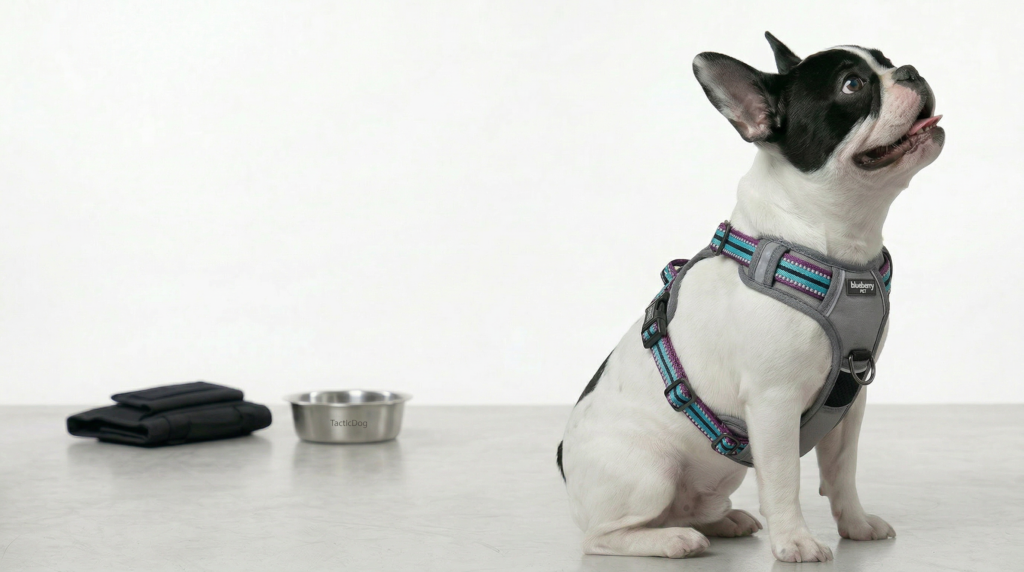
3.Blueberry Pet 3M Reflective Dog Harness
For fashion-forward pups, this vest-style harness combines a chic design with practical Y-shaped support. Easy snap buckles make getting it on and off a breeze (even for squirmy dogs), while plush, ergonomic padding offers shoulder freedom and secures the harness in place.
- Best For: Owners who want style and function
- Key Feature: Quick-release buckles and ergonomic Y-shape
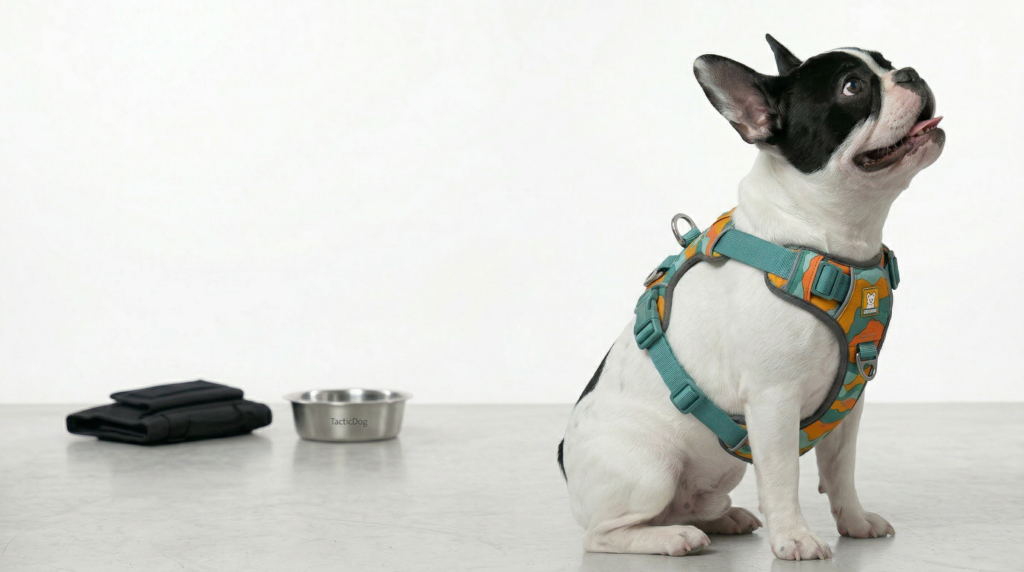
4. Ruffwear Front Range Dog Harness
Built especially for small and stocky breeds, this harness has wide panels and multiple adjustment points for a true custom fit. Its reinforced D-ring and sturdy construction provide control without restricting movement, making it ideal for adventurous walks.
- Best For: Active Frenchies who need more support
- Key Feature: Wide, highly adjustable straps for security
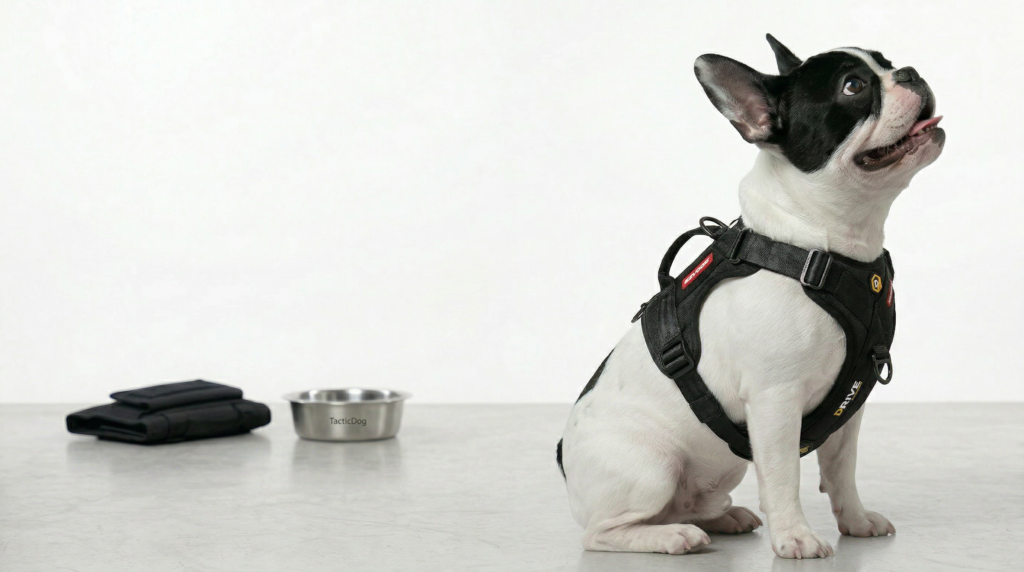
5. EzyDog Quick Fit Dog Harness
Lightweight yet durable, this harness uses soft neoprene lining to minimize pressure on sensitive points and includes reflective trim for safer nighttime walks. The Y-shape design keeps the harness steady and off your dog’s windpipe, crucial for brachycephalic breeds.
- Best For: Safety-conscious owners
- Key Feature: Reflective trim and super-soft neoprene lining
Getting the Right Harness Size
Sizing a French Bulldog is notoriously difficult due to their unique proportions. You cannot simply guess their size based on their age or weight. You must measure the widest part of their chest, usually located just behind their front legs, and the base of their neck.
Are French Bulldogs Medium or Large Dogs?
This is a common source of confusion for new owners. By weight, French Bulldogs are small to medium dogs, typically weighing between 16 and 28 pounds. However, when you shop for a harness, you will often find that they require a medium or even a large size.
Their barrel-like chests simply do not fit into small harnesses designed for similarly weighted breeds like Poodles or Terriers. Always prioritize the chest girth measurement over the weight guidelines on the packaging. An adjustable harness with multiple sizing points will give you the best chance at achieving a custom, snug fit.
How to Stop Your Frenchie from Pulling
French Bulldogs are notoriously stubborn, and a pulling Frenchie can quickly turn a relaxing walk into a frustrating tug-of-war. Because pulling exacerbates breathing issues, you must teach them to walk loosely on the leash.
The most effective tool for a pulling dog is a front-clip harness. By attaching the leash to the ring on the front of their chest, you gently redirect their forward momentum. When they pull, the leash tension automatically turns their body back toward you, making it physically difficult for them to drag you forward.
Combine this hardware with the “stop and wait” training method. The moment your Frenchie pulls, stop walking and plant your feet firmly. Do not move forward again until the dog introduces slack into the leash, either by stepping back or looking at you. Reward them with a high-value treat and resume your walk. Consistency is the key to breaking this habit.
French Bulldog Health: What Owners Need to Know
While Frenchies make wonderful companions, their unique anatomy comes with a complex list of health vulnerabilities. Selective breeding for their flat faces and compact bodies has unfortunately predisposed them to various medical issues.
Common Health Problems and Silent Killers
Breathing difficulties represent the most common health issue for this breed. Brachycephalic Obstructive Airway Syndrome (BOAS) causes snoring, snorting, and exercise intolerance. Due to their compromised airways, heatstroke is a massive “silent killer” for French Bulldogs. They cannot pant efficiently enough to cool themselves down, meaning even mild temperatures can turn deadly if they overexert themselves.
Neurological issues also require close monitoring. While relatively rare in the grand scheme of dog diseases, some lines of French Bulldogs have a higher percentage of brain tumors compared to other breeds. Symptoms to watch for include sudden seizures, changes in behavior, or a loss of coordination. Always consult your vet if your dog displays sudden neurological changes.
Leading Causes of Death and Sudden Health Issues
Cancer, respiratory failure, and spinal issues rank among the leading causes of death for French Bulldogs. Intervertebral Disc Disease (IVDD) is highly prevalent due to their compacted spines. This condition can cause sudden paralysis and severe pain.
Tragically, owners sometimes wonder why a seemingly healthy French Bulldog might suddenly die. Sudden passing is often linked to undetected heart defects, rapid-onset heatstroke, or acute respiratory distress. Knowing what happens before a dog passes—such as extreme lethargy, pale or blue gums, and labored breathing—can help you rush them to emergency care before it is too late.
Essential Care: What Not to Do with a Frenchie
Caring for a French Bulldog means knowing what activities to completely avoid. Never leave your Frenchie outside in the heat, and never let them overexert themselves during summer walks. You should also prevent them from jumping on and off high furniture, as this puts immense stress on their fragile spines and triggers IVDD.
Additionally, never let a French Bulldog swim unattended. Their heavy heads, broad chests, and short legs make them incredibly poor swimmers. They will sink like a stone in deep water. Always equip them with a specialized canine life jacket if you plan to take them near pools or lakes.
The Best Type of Collar for Everyday Use
While you now know to strictly use a harness for walks, your Frenchie still needs a collar for their ID tags. The best type of collar is a lightweight, flat nylon or leather collar. Ensure it fits loosely enough to slide two fingers underneath it, so it does not restrict their airway while they rest.
Breakaway collars are another excellent option, especially if your dog attends daycare or plays roughly with other pets. These collars automatically unclip if they get caught on something, preventing accidental strangulation.
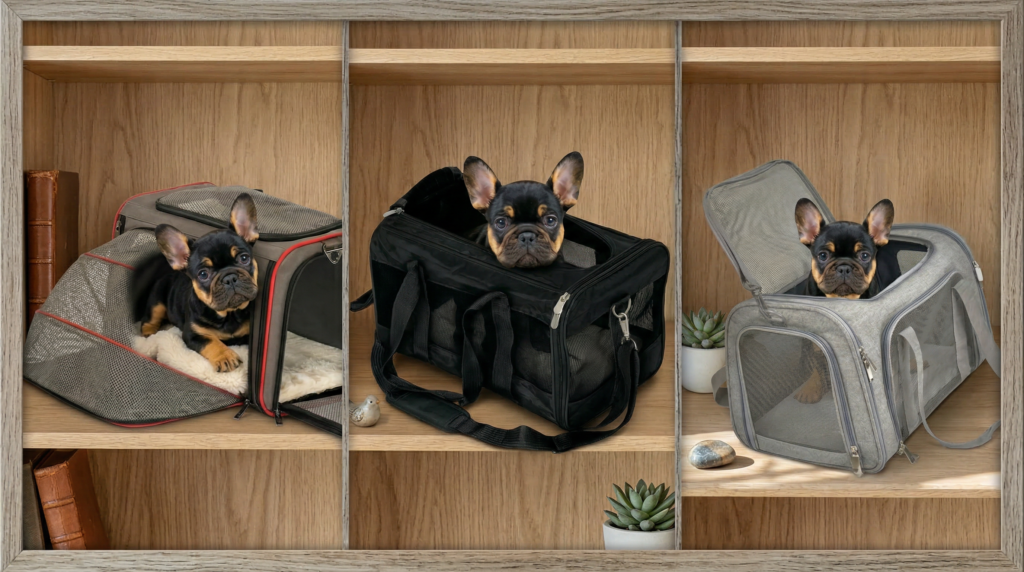
A good harness is only one part of safer day-to-day handling for Frenchies. If you also need a secure transport option for vet appointments, errands, or short trips, it may be worth looking at the best carrier for French Bulldog owners can choose, especially one that offers better ventilation, chest room, and support for a compact, broad-bodied breed.
Conclusion: Keeping Your Frenchie Safe and Happy
Choosing the right equipment for your French Bulldog is one of the most important decisions you will make as an owner. By investing in a high-quality, Y-shaped harness, you instantly protect their delicate airways and promote healthy joint movement. Combine this with positive reinforcement training to stop leash pulling, and your daily walks will become much safer.
Always stay vigilant about their unique health needs. Monitor their breathing, keep them out of the heat, and prevent them from jumping off furniture to protect their spines. By prioritizing their physical limitations and providing proactive care, you can help your French Bulldog live a long, comfortable, and incredibly happy life by your side.
A good harness is only one part of safer daily care for French bulldogs. Because this breed is prone to BOAS, avoiding unnecessary pressure on the neck and upper airway is especially important. Harness choice also matters during hot weather, when dogs vulnerable to heat stroke and reverse sneezingmay need shorter walks, gentler handling, and extra cooling support such as a cooling vest for French bulldogs.

French Bulldog Breathing Hard: Causes, When to Worry, and What to Do

French Bulldog Wrinkle Care: How to Clean Facial Folds Safely and Prevent Infection

French Bulldog Snoring: What’s Normal, What Isn’t, and When to See a Vet

French Bulldog Reverse Sneezing: Causes, When to Worry, and What Owners Should Do
French Bulldog Eye Discharge: What’s Normal, What’s Not, and When to Worry